Menu

Complete Sump Pump Maintenance Guide in Boston – Protect Your Basement from New England's Wettest Seasons

Learn the exact sump pump maintenance checklist Boston homeowners need to prevent basement flooding during spring thaw, hurricane season, and winter freeze-thaw cycles that stress drainage systems across eastern Massachusetts.

Slider Image 1
Slider Image 2
Slider Image 3
Slider Image 4
Slider Image 5
Slider Image 7
Slider Image 8
Slider Image 9
Slider Image 10
Slider Image 11

Why Boston Basements Depend on Properly Maintained Sump Pumps

Boston's combination of high water tables, frequent nor'easters, and dramatic seasonal temperature swings creates constant pressure on basement drainage systems. From the clay-heavy soils in Dorchester to the coastal water intrusion affecting Charlestown and East Boston, your sump pump works harder here than in most of the country.

The spring thaw dumps snowmelt into already saturated ground. Summer thunderstorms deliver inches of rain in hours. Fall hurricanes test every component of your drainage infrastructure. Winter freeze-thaw cycles can crack discharge lines and damage float switches.

Most Boston homeowners never think about sump pump care tips until they find three inches of water in their basement. By then, you are dealing with damaged furnaces, ruined storage, and potential mold growth in the porous foundation walls common to pre-1950s construction throughout Roxbury, Jamaica Plain, and the South End.

Preventative sump pump maintenance is not optional in this climate. It is the difference between a dry basement and a five-figure insurance claim. How to maintain a sump pump correctly means understanding what fails first, what breaks under load, and what gets compromised by sediment in Boston's groundwater.

The good news is that sump pump upkeep instructions are straightforward. You do not need specialized tools or advanced technical knowledge. You need a systematic approach and the discipline to perform checks before problems become emergencies. This guide gives you both.

Why Boston Basements Depend on Properly Maintained Sump Pumps
The Core Components of Effective Sump Pump Care

The Core Components of Effective Sump Pump Care

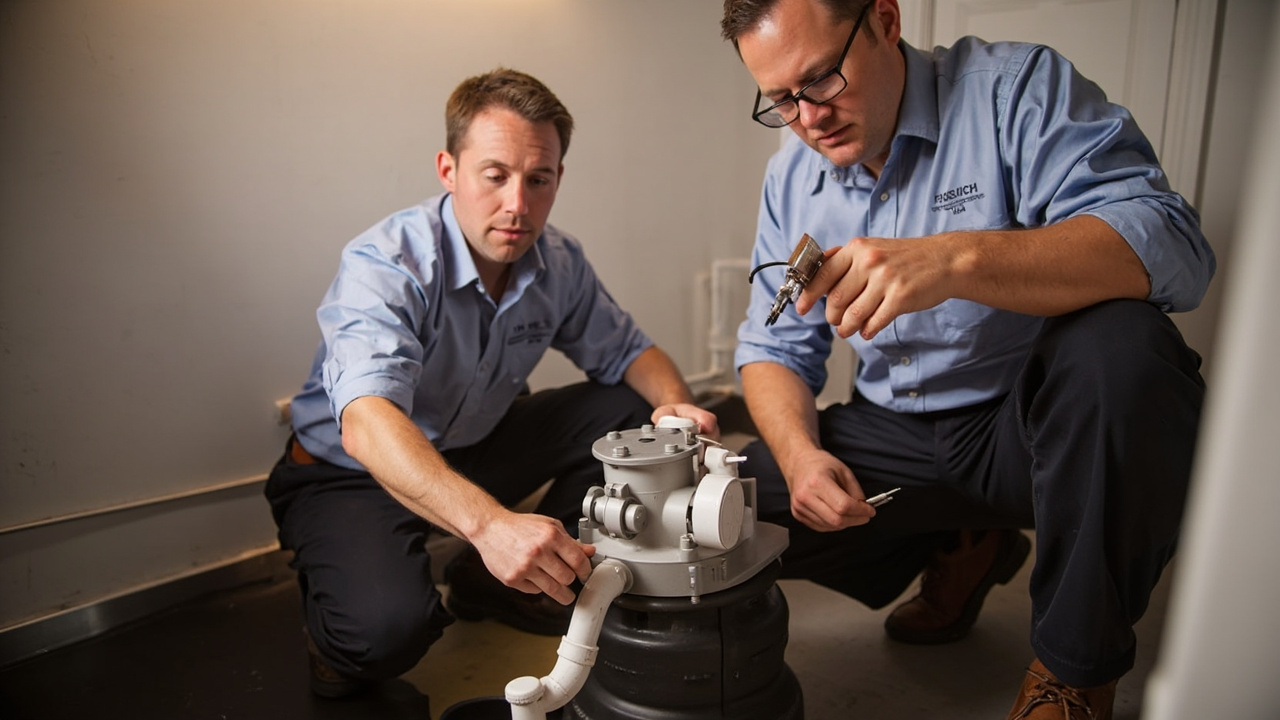
A functional sump pump maintenance checklist addresses six critical failure points. Each one represents a common breakdown we see when responding to flooded basements across the greater Boston metro.

First, the inlet screen. Boston groundwater carries fine sediment, rust particles from old pipes, and organic debris. This material clogs the inlet screen, reducing flow capacity and forcing the impeller to work harder. Every three months, you should remove the pump, clean the screen with a stiff brush, and inspect for damage.

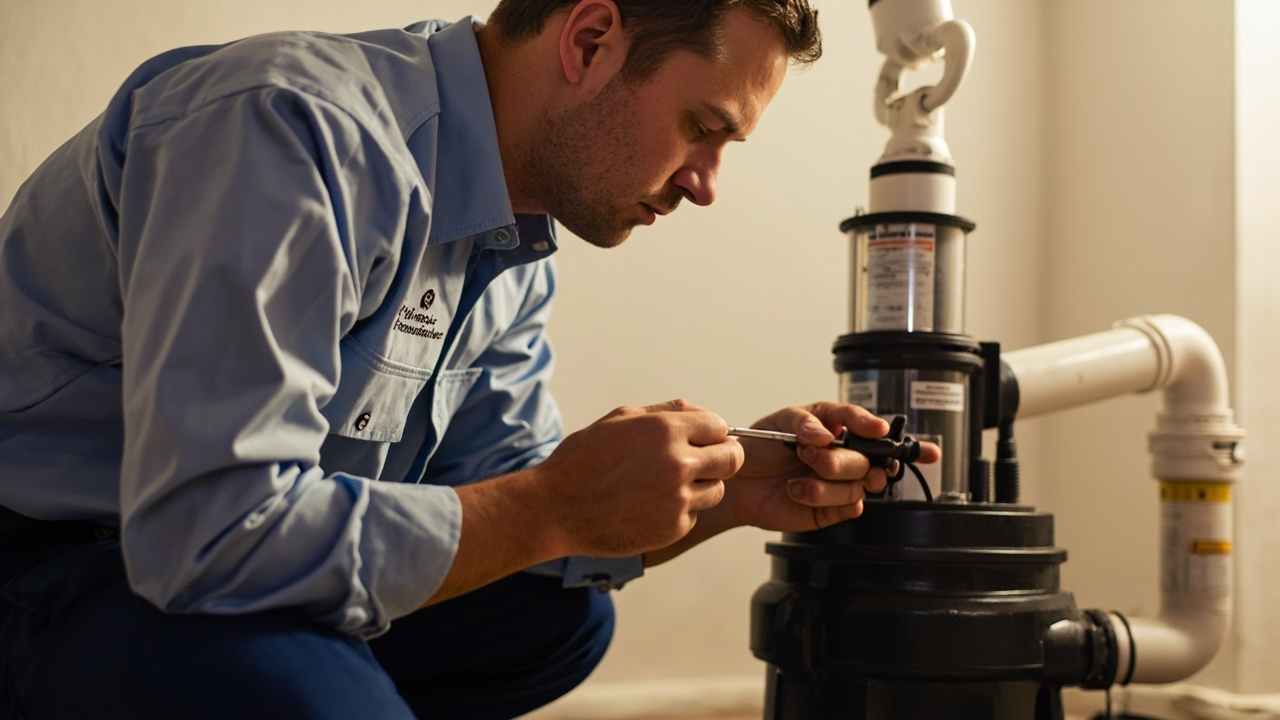
Second, the float switch. This is your pump's on-off mechanism. Debris, mineral buildup, or a tangled tether can prevent activation. Test the float manually by lifting it. The pump should start immediately. If you hear grinding or delay, the switch needs cleaning or replacement.

Third, the check valve on your discharge line. This prevents backflow when the pump shuts off. A failed check valve means the pump re-pumps the same water repeatedly, burning out the motor. Listen for water flowing backward after the pump cycles off.

Fourth, the discharge line itself. Freeze damage is common in Boston winters, especially on above-grade exterior sections. Inspect for cracks, separation at joints, and ice blockages. Consider a freeze-resistant discharge line extension if your current setup terminates too close to the foundation.

Fifth, the backup power system. When storms knock out electricity in neighborhoods like Allston or Brighton, your pump goes dead unless you have battery backup or a water-powered secondary system. Test backup systems monthly during high-risk seasons.

Sixth, the basin. Sediment accumulation reduces capacity and can jam the float. Annual basin cleaning prevents this entirely. Atlas Water Damage Restoration Providence has pulled five-gallon buckets of sludge from neglected sump basins in century-old Beacon Hill townhouses.

Your Quarterly Sump Pump Inspection Routine

Complete Sump Pump Maintenance Guide in Boston – Protect Your Basement from New England's Wettest Seasons
01

Visual and Audio Check

Remove the basin cover and inspect for standing water, debris accumulation, and unusual odors indicating bacterial growth or sewer gas intrusion. Pour a five-gallon bucket of water into the basin and listen for immediate pump activation. The motor should sound smooth, not grinding or rattling. Watch the water level drop completely. This entire cycle should take less than 60 seconds for a properly functioning system.
02

Component Testing and Cleaning

Manually lift the float switch to verify activation without water present. Inspect the inlet screen for clogs and clean with a stiff brush under running water. Check discharge line connections for looseness or corrosion. Test your backup system by disconnecting primary power and pouring water into the basin. The backup should engage within seconds. Clean the basin walls of any slime or sediment buildup using a wet-dry vacuum.
03

Documentation and Adjustment

Record the date, cycle time, and any issues in a maintenance log. This creates a performance baseline that reveals gradual degradation before total failure. Adjust the float switch position if needed to prevent short-cycling or delayed activation. Replace the basin cover securely. Schedule your next inspection three months out. If you identified worn components like a frayed power cord or cracked discharge pipe, address them immediately rather than waiting for the next quarterly check.

Why Boston Homeowners Trust Atlas Water Damage Restoration Providence for Drainage System Expertise

Water damage prevention in Boston requires understanding how New England weather, local soil conditions, and regional construction methods create specific vulnerabilities. We work in basements built in the 1880s with rubble foundations and modern developments in Seaport with advanced waterproofing systems. The maintenance approach differs significantly.

Older Boston neighborhoods like South Boston and Roxbury often have combined sewer systems where stormwater and sanitary waste share infrastructure. During heavy rain events, this creates backpressure that can overwhelm inadequate sump systems. We help homeowners in these areas size their pumps correctly and install backwater valves to prevent sewage backup.

The coastal areas including East Boston, Charlestown, and parts of Dorchester face saltwater intrusion that corrodes pump components faster than typical freshwater environments. We recommend corrosion-resistant materials and more frequent inspection cycles for properties near the harbor.

Boston's stringent building codes require specific discharge configurations. You cannot pump directly onto sidewalks or neighboring properties. Your discharge must terminate at least ten feet from the foundation and connect to storm drains where available. We ensure your setup meets code while actually protecting your basement.

We have seen every failure mode. Pumps that burned out during the 2018 nor'easters because homeowners did not know to test backup systems. Float switches jammed by contractor debris left in basins during renovations. Discharge lines that froze solid in January because they lacked proper slope for drainage.

When you call Atlas Water Damage Restoration Providence, you get technicians who have worked on properties from Mattapan to West Roxbury. We know which pump brands hold up in high-cycle applications. We know how Boston's freeze-thaw patterns stress PVC discharge lines. We know how to retrofit modern drainage systems into century-old brownstones without compromising structural integrity.

That local knowledge prevents the generic advice you find online from causing expensive mistakes.

What Professional Sump Pump Maintenance Delivers

Rapid Response Availability

Emergency sump pump failures require immediate response to prevent thousands in water damage. Atlas Water Damage Restoration Providence maintains 24/7 availability throughout the Boston metro area. When your pump fails at 2 AM during a rainstorm, we answer the phone and dispatch a technician immediately. Our average response time to properties in Boston proper is under 90 minutes. We carry replacement pumps, backup systems, and all common components on our service vehicles so we can restore protection the same day. You do not wait days for parts while your basement floods.

Comprehensive System Assessment

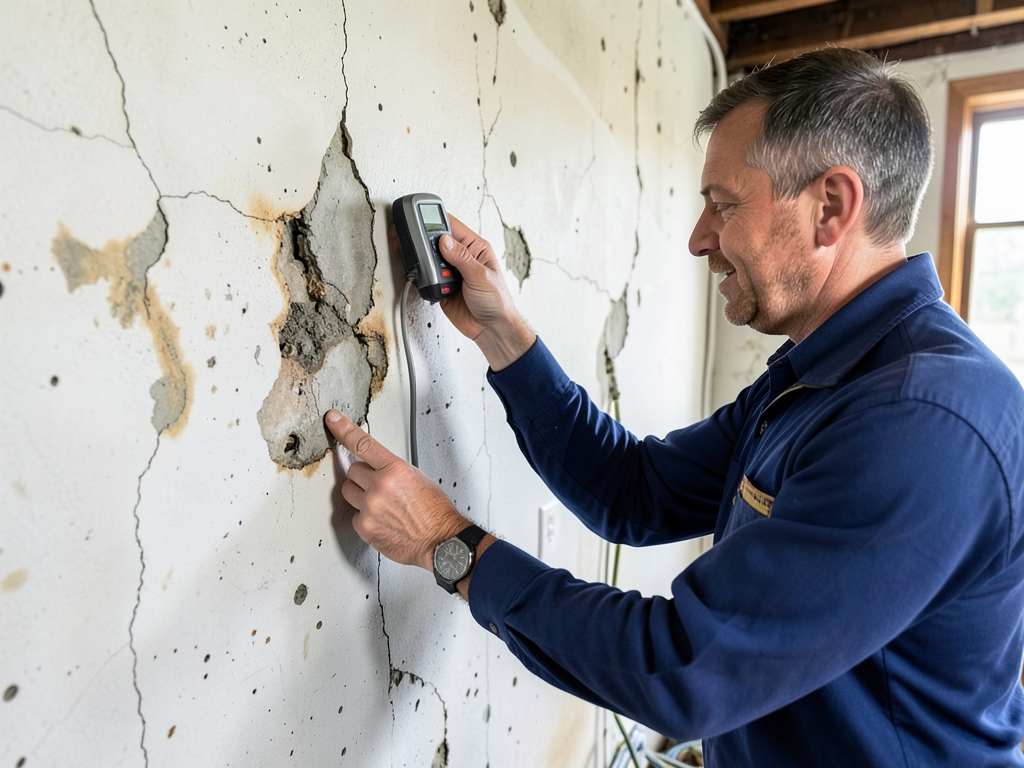
Professional maintenance goes beyond the pump itself. We evaluate your entire basement drainage infrastructure including floor drains, weeping tile systems, foundation cracks, and exterior grading. We use moisture meters to detect hidden water intrusion that indicates drainage problems your sump pump cannot solve alone. We calculate whether your current pump capacity matches your actual water inflow during heavy rain events. Many Boston homes have undersized pumps installed by previous owners who guessed at requirements. We size systems using actual flow measurements and local precipitation data to ensure adequate protection.

Long-Term Performance Reliability

Proper maintenance extends pump lifespan from three years to eight or more. We use techniques that prevent premature failure including impeller balancing, motor bearing lubrication where applicable, and electrical connection inspection for heat damage. We replace components before they fail completely, preventing the cascade effect where one failed part damages others. Your pump runs more efficiently, consuming less electricity and cycling less frequently. This reduces wear and prevents the short-cycling that kills motors. You get reliable performance during the spring thaw and hurricane season when you need it most.

Maintenance Documentation and Planning

We provide detailed service records documenting every inspection, test result, and component replacement. This documentation proves maintenance for insurance purposes if you ever file a water damage claim. It increases home value by demonstrating proper system care to potential buyers. We create a customized maintenance schedule based on your specific conditions including pump age, usage intensity, water quality, and seasonal risk factors. You receive reminder notifications before your next scheduled service so nothing gets forgotten. If we identify components approaching end-of-life, we provide advance notice so you can budget for replacement rather than facing emergency expenses during a failure.

Frequently Asked Questions

You Have Questions,
We Have Answers

What maintenance does a sump pump require? +

Your sump pump needs quarterly inspections to stay functional. Pour water into the pit to test the float switch and verify the pump activates. Clean debris from the inlet screen and check the discharge line for clogs or frozen sections during Boston winters. Inspect the backup battery if you have one and replace it every three years. Test your check valve to confirm it prevents backflow. In spring and fall, clear the weep hole to prevent air lock. Boston's freeze-thaw cycles and heavy spring rains make these checks critical for preventing basement flooding.

What is the most common problem with sump pumps? +

The float switch fails most often. Debris tangles the float arm or mineral buildup prevents proper movement. When the switch sticks, your pump cannot activate during flooding. Boston's groundwater carries sediment that accelerates this problem. The second issue involves discharge line blockages. Ice forms in exterior pipes during winter or roots infiltrate buried lines during summer. A jammed impeller ranks third. Gravel and small objects enter the pit and lodge in the pump housing. These three failures cause most emergency calls in the greater Boston metro.

Can I put a chlorine tablet in my sump pump? +

No. Chlorine tablets damage rubber components in your sump pump. The corrosive chemicals degrade seals, gaskets, and the impeller housing. This causes premature failure and voids most manufacturer warranties. Chlorine also creates toxic fumes in confined basement spaces. If you smell standing water in your pit, the issue requires proper cleaning and bacteria treatment. Pour a bleach solution (one cup bleach to one gallon water) down the pit quarterly instead. This sanitizes without concentrated corrosive contact. For persistent odors, call a professional to inspect for trapped organic material.

What is the typical lifespan of a sump pump? +

A quality sump pump lasts seven to ten years with proper maintenance. Boston's high water table and seasonal flooding shorten this lifespan if the pump runs constantly. Cheaper models fail after three to five years. Your pump cycles more frequently than units in drier climates, wearing the motor and float mechanism faster. Backup pumps last longer because they activate less often. Replace your primary pump proactively at year seven to avoid emergency failures during spring storms or nor'easters. Keep installation date records and test performance annually as the unit ages.

Does sump pump maintenance really matter? +

Yes. Neglected sump pumps fail when you need them most. Boston receives 47 inches of rain yearly, plus snowmelt runoff. Your pump is the only barrier between groundwater and your finished basement. A failed pump floods basements in hours, destroying belongings and creating mold. Water damage restoration costs thousands more than simple maintenance. Spring flooding season and hurricane remnants put extreme stress on pumps. Regular testing catches problems before storms hit. Maintenance extends pump life and protects your property investment. Skipping inspections turns a $20 cleaning task into a $10,000 flood claim.

Can I put vinegar in my sump pump? +

Yes, but use it correctly. Mix equal parts white vinegar and water to clean the pump and pit. This solution removes mineral deposits and kills bacteria without damaging components. Pour the mixture into the pit when the pump is off, then activate it to flush the system. Boston's hard water leaves calcium buildup that vinegar dissolves effectively. Do this twice yearly. Never pour straight vinegar into a running pump. The acid can corrode metal parts if concentrated. For heavy buildup, use a brush to scrub the intake screen and pump housing before flushing.

What are the signs of a bad sump pump? +

Listen for strange grinding or rattling noises indicating bearing failure or impeller damage. A pump that runs continuously without lowering water level signals a broken float or worn impeller. Visible rust on the housing means internal corrosion. Irregular cycling where the pump starts and stops rapidly points to switch problems. If your pump trips the circuit breaker, the motor is failing. Check for water in your pit that remains above the usual shutoff level. In Boston basements, musty smells despite a running pump suggest it cannot keep pace with groundwater infiltration.

What is the #1 cause of basement flooding? +

Sump pump failure causes most basement flooding in Boston. Heavy spring rains and rapid snowmelt overwhelm systems that were not tested or maintained. The second cause involves foundation cracks that let groundwater penetrate. Boston's clay soil expands when wet and contracts when dry, stressing foundation walls. Clogged gutters rank third. Water pools against your foundation instead of draining away. Backed-up sewer lines during storms also flood basements. A working sump pump with battery backup prevents most flooding scenarios. Test your system before spring thaw and hurricane season to avoid water damage.

What is the average cost to replace a sump pump? +

Sump pump replacement typically costs between several hundred and over one thousand dollars depending on pump type and installation complexity. Pedestal pumps cost less than submersible models. Battery backup systems add to the total. Boston installation costs run higher than national averages due to labor rates and permit requirements. Difficult access or discharge line work increases the price. Commercial-grade pumps for high water table areas cost more but last longer. These figures cover standard replacements. Emergency service during flooding doubles the cost. Get quotes from licensed contractors and verify they pull proper permits for electrical work.

What can I put in my sump pump to keep it from smelling? +

Pour a mixture of white vinegar and baking soda into the pit quarterly. Use one cup of each. This combination kills odor-causing bacteria without harming pump components. Adding a small amount of bleach solution (one part bleach to ten parts water) also works. Boston's humid basements encourage bacterial growth in standing pit water. Check that your discharge line vents properly to prevent sewer gas backup. Clean debris from the pit bottom where organic material decomposes. If odors persist, you may have a cracked drain tile allowing sewage infiltration. This requires professional inspection and repair.

How Boston's Coastal Water Table and Seasonal Flooding Patterns Demand Proactive Sump Pump Care

Boston sits on filled tidal flats and glacial deposits that create a naturally high water table throughout much of the city. Neighborhoods including Back Bay, the South End, and East Boston were literally built on fill, meaning groundwater constantly presses against foundation walls. Spring snowmelt combines with April rain to create peak hydraulic pressure that can push 50 gallons per hour into an unprotected basement. Hurricane season brings rapid-onset flooding that can overwhelm a failing pump in minutes. Winter freeze-thaw cycles create ice dams in discharge lines that cause backups during January thaw periods. Your sump pump faces more challenging conditions in Boston than in most American cities, making preventative maintenance essential rather than optional.

Atlas Water Damage Restoration Providence has served the greater Boston area for years, responding to basement flooding emergencies from Roslindale to Cambridge. We understand how local building codes affect drainage system requirements and work with inspectors throughout Suffolk, Norfolk, and Middlesex counties. Our technicians recognize the specific challenges of triple-decker homes, brownstone foundations, and modern waterfront construction. When you choose a local water damage restoration specialist rather than a national franchise, you get expertise calibrated to Boston's unique combination of old infrastructure, challenging soil conditions, and extreme weather patterns. We know which pump brands survive the workload and which fail within two seasons.

Water Damage Restoration Services in The Boston Area

You can see our service area and our location on the map below. We are proud to serve the entire Boston area and surrounding communities. We're always ready to dispatch our team to your home or business, no matter where you are. We’re committed to a fast, reliable response and ensuring we’re always there when you need us most.

Address:
First Choice Water Damage Restoration Boston, 44 School St., Boston, MA, 02108

Additional Services We Offer

Our news updates

Latest Articles & News from The Blogs

How to Find a Hidden Water Leak Under Your Marblehead Outdoor Deck Living in Marblehead means dealing with coastal moisture,…

How to Find a Hidden Water Leak Under Your Marblehead Outdoor Deck

How to Find a Hidden Water Leak Under Your Marblehead Outdoor Deck Living in Marblehead means dealing with coastal moisture,…

Saving a Luxury Walk In Closet and Designer Wardrobe After a Pipe Burst in Chestnut Hill

When a pipe bursts in your Chestnut Hill home the damage goes far beyond soaked carpets and warped baseboards. For…

Preparing Your Inland Needham Home for Hurricane Season Flooding

Preparing Your Inland Needham Home for Hurricane Season Flooding Living in Needham means enjoying quiet suburban streets and tree-lined neighborhoods.…

Contact Us

Do not wait until water is rising in your basement. Call Atlas Water Damage Restoration Providence at (617) 789-8099 right now to schedule a comprehensive sump pump inspection. We will test every component, identify potential failures, and give you a clear maintenance plan. You get same-day service throughout Boston and surrounding communities.