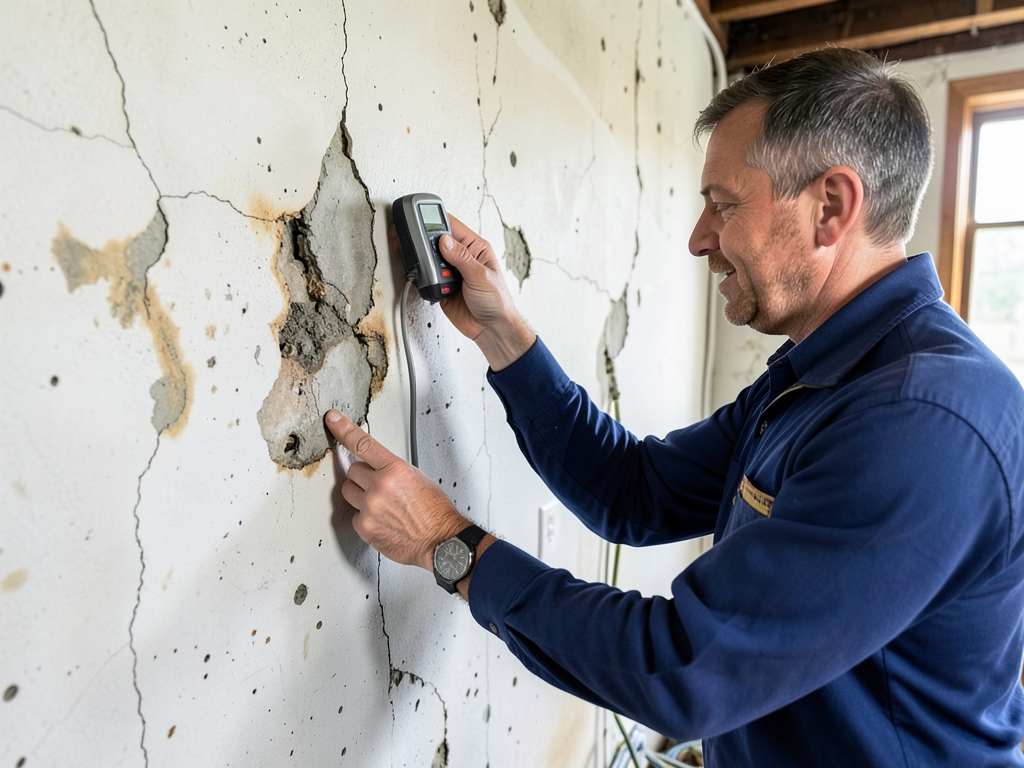


Boston's aged housing inventory creates unique mold containment challenges. Properties built before 1900 use construction methods that promote hidden moisture accumulation and rapid spore spread. Balloon framing in Victorian homes creates uninterrupted vertical cavities from basement to attic, allowing mold colonies in one floor to contaminate spaces three levels away through air currents and structural voids. Horsehair plaster walls trap moisture between lath strips and provide organic material for fungal growth. Brick facades without vapor barriers allow hydrostatic pressure to push groundwater through masonry into interior wall cavities. Triple-deckers and row houses share common walls where inadequate fire-stopping lets spores migrate between units. Emergency mold containment in these older structures requires specialized knowledge of historic construction methods, understanding where hidden voids allow contamination spread, and adapting containment barriers to work with plaster, brick, and timber framing without causing additional structural damage.
First Choice Water Damage Restoration Boston has contained mold in every Boston neighborhood and building type. We understand the structural quirks of South End brownstones, the moisture problems in North End apartments above grade, and the flooding patterns affecting Dorchester basements near Dorchester Bay. Our technicians recognize when Victorian trim work hides wall cavities requiring inspection, when shared plumbing chases between triple-decker units demand expanded containment zones, and when historic preservation rules limit remediation methods in landmark districts. This local experience means faster, more accurate contamination mapping and containment designs that actually work in Boston's unique housing stock. Insurance adjusters trust our assessments because we document conditions they recognize from thousands of regional claims. Building inspectors approve our methods because we meet city codes while respecting historic fabric. You get containment that accounts for how your specific property type behaves during water intrusion events common to coastal New England.