



Belmont sits in a climate zone where winter freeze-thaw cycles crack foundations and burst pipes, while humid summers create condensation issues in basements and crawl spaces. Many homes in neighborhoods like Waverly Square and Belmont Hill were built between 1920 and 1950, featuring fieldstone foundations that allow groundwater seepage during heavy rain. Clay-heavy soil throughout the greater Belmont area does not drain well, creating hydrostatic pressure against foundation walls after storms.
The town's proximity to the Alewife Brook and seasonal flooding patterns mean homes near Pleasant Street and sections closer to Cambridge can experience water intrusion during spring thaw and heavy precipitation events. Belmont's older housing stock often has galvanized pipes reaching end of life, cast iron drains prone to corrosion, and outdated sump pump systems that fail during power outages. Modern homes face different challenges, including improperly installed flashing around windows and deck attachments that allow water behind siding.
Massachusetts building codes require proper vapor barriers and drainage systems, but homes built before these standards need retrofitting. Water that sits undetected for 48 hours leads to mold growth, which thrives in New England's humidity levels. Quick response matters because structural damage accelerates fast in our climate.
First Choice Water Damage Restoration Boston has restored hundreds of Belmont homes after burst pipes, roof leaks, sewage backups, and foundation seepage. We dispatch trained technicians who live and work in the greater Boston area, not contractors from out of state who do not understand New England construction methods or climate challenges.
Our crews carry thermal imaging cameras to find hidden moisture in wall cavities and beneath flooring. We use commercial-grade air movers and dehumidifiers sized correctly for the job, not undersized equipment that leaves moisture behind. Every restoration follows IICRC S500 standards for water damage remediation, which means we document moisture readings, track drying progress daily, and verify complete dryness before reconstruction begins.
We work directly with every major insurance carrier serving Massachusetts. Our estimators photograph damage, write detailed scope reports, and communicate with adjusters so you do not fight for coverage alone. Many Belmont families call us because a neighbor referred us after we restored their home following a disaster.
Speed matters in water damage. We answer calls 24 hours a day because waiting until morning allows mold spores to colonize and wood framing to swell. Our trucks stock extraction equipment, antimicrobial treatments, and emergency board-up materials so we handle immediate threats the moment we arrive. You get one crew from start to finish, not a different subcontractor every week. We do not leave your home until it is dry, clean, and ready for repairs.

We dispatch crews to Belmont within one hour of your call, day or night. Our trucks carry extraction pumps, structural drying equipment, and moisture detection tools so we start mitigation immediately. Water damage doubles in severity every hour you wait, so we move fast to protect your property and belongings.

We handle documentation, communicate with adjusters, and fight for full coverage so you do not navigate claims alone. Our estimators photograph damage, write detailed reports, and follow up until your carrier approves payment. Most Belmont homeowners get faster claim resolution because we speak the language insurers require.
Every restoration follows Institute of Inspection Cleaning and Restoration Certification standards for water damage remediation. We document moisture levels, track drying progress with calibrated meters, and verify complete dryness before reconstruction. You get science-based restoration, not guesswork that leaves hidden moisture to cause future mold growth.
We understand how New England's freeze-thaw cycles, humid summers, and Belmont's clay soil create water intrusion risks. Our crews know the construction methods used in homes from Waverly to Belmont Hill and adjust restoration techniques based on your home's age and foundation type. Local knowledge means faster, smarter restoration.
First Choice Water Damage Restoration Boston handles every type of water intrusion, from clean water pipe bursts to contaminated sewage backups. We extract standing water, dry structural materials, remove damaged contents, treat for microbial growth, and rebuild affected areas. Our crews carry specialized equipment for hardwood floor drying, ceiling cavity access, and crawl space remediation.
Water damage falls into three categories based on contamination level. Category 1 involves clean water from supply lines or rain. Category 2 includes washing machine overflows or toilet tank leaks with some contamination. Category 3 means sewage backups or flooding from outside sources, requiring biohazard protocols. We handle all three with appropriate safety measures and disposal methods.
Restoration includes emergency water removal, structural drying, antimicrobial treatment, content pack-out and cleaning, mold remediation when needed, and full reconstruction. You get one company managing the entire process, not a general contractor coordinating multiple subcontractors. We start mitigation within an hour and complete projects on schedule so you return home fast.
We extract standing water using truck-mounted pumps and portable extractors within one hour of your call. Our crews remove soaked carpeting, pad, and baseboard to prevent wicking into drywall. We pull furniture to dry floors beneath and relocate belongings to unaffected rooms. Immediate extraction stops water from spreading to additional rooms and prevents subfloor delamination. Speed in the first 24 hours determines whether hardwood floors can be saved or need replacement.
We place commercial dehumidifiers and air movers strategically to dry framing, insulation, and wall cavities. Technicians monitor moisture levels daily using penetrating and non-invasive meters until readings match unaffected areas. We create negative air pressure in contained spaces to prevent moisture migration to other rooms. Proper drying takes three to seven days depending on materials affected and humidity levels. Rushing this phase causes mold growth and wood rot within weeks.
When water sits longer than 48 hours, mold colonizes porous materials like drywall and insulation. We contain affected areas with plastic sheeting and negative air machines, remove contaminated materials following Massachusetts guidelines, and treat surfaces with antimicrobial solutions. Our crews wear protective equipment and dispose of moldy materials properly. We address the moisture source that allowed growth and install vapor barriers or improved drainage to prevent recurrence.
Belmont's climate and housing stock create predictable water damage patterns. Winter brings frozen pipes in exterior walls and unheated additions. Spring thaw causes foundation seepage as snowmelt saturates clay soil. Summer humidity leads to condensation in basements and crawl spaces. Fall storms overwhelm gutters and expose roof vulnerabilities.
Homes in Waverly Square and along Pleasant Street face flooding risks from Alewife Brook overflow during heavy rain. Properties on Belmont Hill deal with drainage issues as water runs downslope toward foundations. Older neighborhoods feature fieldstone foundations that allow groundwater intrusion, while newer construction sometimes has improperly graded lots that direct water toward the house instead of away.
Pipe failures spike during cold snaps when temperatures drop below 20 degrees. Washing machine supply lines burst after years of constant pressure. Sump pumps fail during storms when you need them most. Water heaters leak as tanks corrode from the inside. These failures happen without warning and require immediate response to minimize damage.
Belmont winters freeze pipes in exterior walls, crawl spaces, and unheated additions. A single burst pipe releases gallons per minute, flooding multiple rooms before you can shut off the main valve. We extract water immediately, dry wall cavities, and assess whether drywall needs replacement or can be saved with proper drying techniques.
Clay soil throughout Belmont holds water against foundations during spring thaw and heavy rain. Hydrostatic pressure forces groundwater through cracks and fieldstone foundations common in older homes. We extract water, dry basements completely, and recommend exterior drainage solutions to prevent future intrusion. Chronic seepage requires foundation waterproofing, not just repeated cleanup.
Ice dams form when heat escapes through poorly insulated attics, melting snow that refreezes at roof edges. Water backs up under shingles and leaks into walls and ceilings. We dry affected areas, remove damaged insulation, and treat framing for mold prevention. Proper attic ventilation and insulation prevent ice dams from forming each winter.
Tree roots infiltrate clay sewer lines, and aging cast iron pipes corrode from inside. Sewage backups require biohazard protocols because contaminated water carries bacteria and pathogens. We extract sewage, remove contaminated materials, disinfect all surfaces, and dispose of waste following Massachusetts regulations. Never attempt cleanup yourself without proper protective equipment.
Water damage creates panic. You need someone who answers immediately, arrives fast, and takes control of the situation so you can breathe. When you call First Choice Water Damage Restoration Boston, you reach a live person who dispatches a crew within 60 minutes, not an answering service that takes messages.
Our technician walks through your home, explains what happened and why, and outlines exactly what we will do to stop damage and begin restoration. You get straight answers about timeline, insurance coverage, and costs before we start work. We do not upsell unnecessary services or create fear to pad invoices.
We handle insurance paperwork, take photographs adjusters need, and fight for full coverage. Most Belmont homeowners tell us the insurance coordination saved them hours of frustration and got better claim outcomes. You stay in your home during restoration when possible, or we arrange temporary housing if needed. Communication happens daily so you know progress and when you can return to normal life.
We arrive within 60 minutes with extraction equipment and moisture detection tools. Our technician locates the water source, shuts off supply if needed, and assesses which materials are wet. You get a clear explanation of what happened, what we need to do, and realistic timeline for completion. We document everything with photographs and moisture readings for insurance purposes. Most emergency calls result in extraction and drying equipment placement within two hours.
You receive daily updates on drying progress, moisture levels, and next steps. Our project manager answers questions and addresses concerns immediately, not three days later. We explain which materials can be saved and which need replacement based on industry standards, not what makes us the most money. If we encounter hidden damage during demolition, we photograph it, explain options, and get your approval before proceeding.
We do not leave until your home is dry, clean, and restored to pre-loss condition. Our reconstruction crew matches paint colors, replaces flooring with equivalent materials, and ensures trim and finishes look seamless. You walk through the completed work with our project manager, and we address any concerns before final payment. Most Belmont restorations are complete within two to three weeks from initial water damage.
We follow proven protocols that stop damage fast and restore homes correctly the first time. Every restoration moves through three phases: emergency mitigation, structural drying, and reconstruction.
We extract standing water using truck-mounted pumps and portable units, remove soaked materials that cannot be saved, and relocate belongings to dry areas. Our crews place floor mats and corner guards to protect your home during equipment movement. We identify the water source, stop ongoing intrusion, and document damage for insurance. This phase happens within hours of your call and prevents water from spreading to additional rooms.
We position commercial dehumidifiers and air movers strategically based on airflow patterns and moisture readings. Technicians monitor drying progress daily using calibrated meters and adjust equipment as needed. We create drying logs that document moisture levels in floors, walls, and ceilings until readings match unaffected areas. This phase takes three to seven days depending on materials and humidity. Proper drying prevents mold growth and structural damage.
Once everything is completely dry, our reconstruction crew rebuilds walls, replaces flooring, and restores finishes. We match paint colors, install equivalent materials, and ensure the repaired area blends seamlessly with unaffected rooms. You approve all material selections and walk through completed work before final payment. Most Belmont homes are fully restored within two to three weeks from initial damage.
Professional water damage restoration follows Institute of Inspection Cleaning and Restoration Certification standards, which establish science-based protocols for moisture detection, drying, and microbial remediation. IICRC S500 guidelines categorize water damage by contamination level and specify appropriate removal and treatment methods for each category.
Category 1 water comes from sanitary sources like supply lines or rain. Category 2 involves some contamination from sources like washing machine discharge or toilet tank overflows. Category 3 means grossly contaminated water from sewage backups or outside flooding, requiring biohazard protocols and specialized disposal methods. We treat each category differently because contamination determines which materials can be saved and which must be removed.
Massachusetts does not require licensing for water damage restoration, but insurance carriers demand IICRC certification and proper documentation. We use thermal imaging cameras to locate hidden moisture in wall cavities and beneath flooring. Moisture meters provide exact readings in wood framing, drywall, and concrete. We track these readings daily and create drying logs that prove complete moisture removal before reconstruction begins.
Proper drying requires understanding psychrometrics, which measures temperature, humidity, and moisture content in air and materials. We calculate grain depression to determine dehumidifier capacity needed for the space. Air movers create circulation patterns that move moisture from materials into air where dehumidifiers can remove it. Equipment placement follows airflow principles, not random positioning. This science-based approach dries structures in days instead of weeks and prevents secondary damage from prolonged moisture exposure.
Massachusetts building codes require vapor barriers in crawl spaces and proper flashing around windows and doors. When we restore water-damaged areas, we bring everything to current code so future problems are less likely. This includes upgrading insulation, installing proper drainage planes behind siding, and ensuring bathroom exhaust vents terminate outside, not into attics where they cause condensation problems.
We follow IICRC S500 protocols that categorize water by contamination level and specify removal methods for each category. Documentation includes moisture readings, drying logs, and photographs that prove complete restoration. Insurance carriers require this documentation to approve claims, and proper procedures protect your health by preventing mold growth and microbial contamination.
Costs depend on water category, affected square footage, and materials damaged. Emergency extraction and drying typically run less than reconstruction costs. Insurance covers most water damage from sudden pipe bursts but excludes gradual leaks or maintenance issues like old roof wear. We provide detailed estimates that break down extraction, drying, and reconstruction separately so you understand where money goes.
Extraction happens within hours. Structural drying takes three to seven days depending on materials and humidity levels. Reconstruction adds one to two weeks based on extent of damage. Rushing drying causes mold growth within weeks. Proper restoration cannot be done in two days regardless of what some companies promise. We provide realistic timelines and meet deadlines we commit to.
When we rebuild water-damaged areas, we bring everything to current Massachusetts building code. This includes proper vapor barriers, insulation R-values, and moisture management details that prevent future problems. Older Belmont homes often lack these protections, so restoration provides an opportunity to upgrade building envelope performance and reduce long-term maintenance costs.
First Choice Water Damage Restoration Boston explains professional water damage restoration for Belmont homeowners. Learn about emergency water extraction, structural drying techniques, mold prevention protocols, and insurance coordination. Covers water damage categories, moisture detection methods, proper drying timelines, and restoration standards. Includes information about Belmont-specific risks from freeze-thaw cycles, clay soil foundation seepage, and ice dam damage in New England homes.
First Choice Water Damage Restoration Boston serves every neighborhood in Belmont, from historic homes in Waverly Square to properties on Belmont Hill and the Pleasant Street corridor. We respond to water damage emergencies throughout the greater Belmont area within 60 minutes because our crews know every street and can navigate local traffic patterns.
Homes in Waverly near the Cambridge line face different water intrusion risks than properties on Belmont Hill. Waverly's lower elevation and proximity to Alewife Brook means seasonal flooding during spring thaw and heavy rain. We have restored dozens of basements in this area after groundwater seepage overwhelmed sump pumps and foundation drains. Properties along Pleasant Street often deal with aging infrastructure, including clay sewer lines infiltrated by tree roots and galvanized supply pipes reaching end of life.
Belmont Hill presents unique challenges with homes built on sloped lots where water runs downhill toward foundations. We have dried crawl spaces throughout this neighborhood after grading issues directed water toward houses instead of away. The historic character of these homes means restoration work must match original materials and architectural details. Our crews understand the difference between fieldstone foundations common in 1920s construction and poured concrete found in homes from the 1960s and later.
The Cushing Square area includes a mix of single-family homes and multi-family properties. Water damage in multi-family buildings requires fast response because one unit's pipe burst affects multiple families. We have coordinated restoration across several units simultaneously, managing different insurance policies and keeping residents informed throughout the process.
North Belmont near the Watertown line sees its share of frozen pipe damage during winter cold snaps. Homes with additions built over crawl spaces are vulnerable to pipe freezes when temperatures drop below 20 degrees. We respond to these emergencies year-round but see spikes during January and February when New England winter hits hardest.
Our service area extends beyond Belmont to include Cambridge, Arlington, Watertown, and surrounding communities. We know this region's housing stock, climate challenges, and insurance requirements. Local knowledge means faster diagnosis, appropriate restoration techniques, and better outcomes for your home.
Water damage restoration pricing in Belmont varies based on several factors. The extent of damage affects the final price. Water source matters too. Clean water from a pipe costs less than sewage cleanup. Square footage plays a role. A flooded basement requires more work than a small bathroom leak. Materials needing replacement add to expenses. Professional restoration companies provide free inspections and detailed estimates. Most offer emergency services 24/7. Your specific situation determines the investment needed. Get multiple quotes from local Belmont companies to compare services and pricing.
Water damage restoration timelines depend on damage severity and affected areas. Minor leaks in small spaces take 3-5 days to complete. Moderate flooding in one or two rooms needs 5-7 days. Extensive flooding throughout your home requires 2-4 weeks. The drying process alone takes 3-5 days for most properties. Humidity levels in Belmont affect drying times. Professional equipment speeds up the process significantly. Weather conditions during restoration matter too. Your restoration company provides a specific timeline after initial assessment. Complete restoration includes drying, cleaning, repairs, and final inspections.
Homeowners insurance in Belmont often covers sudden and accidental water damage. A burst pipe or appliance malfunction typically qualifies for coverage. Gradual damage from neglected maintenance gets denied. Flooding from external sources requires separate flood insurance. Review your policy details carefully before filing claims. Insurance companies send adjusters to assess damage. Document everything with photos and videos. Keep all receipts from emergency repairs. Contact your insurance agent immediately after water damage occurs. Professional restoration companies in Belmont work directly with insurance adjusters to streamline claims processing.
Water damage restoration pricing in Belmont varies based on several factors. The extent of damage affects the final price. Water source matters too. Clean water from a pipe costs less than sewage cleanup. Square footage plays a role. A flooded basement requires more work than a small bathroom leak. Materials needing replacement add to expenses. Professional restoration companies provide free inspections and detailed estimates. Most offer emergency services 24/7. Your specific situation determines the investment needed. Get multiple quotes from local Belmont companies to compare services and pricing.
Water damage restoration timelines depend on damage severity and affected areas. Minor leaks in small spaces take 3-5 days to complete. Moderate flooding in one or two rooms needs 5-7 days. Extensive flooding throughout your home requires 2-4 weeks. The drying process alone takes 3-5 days for most properties. Humidity levels in Belmont affect drying times. Professional equipment speeds up the process significantly. Weather conditions during restoration matter too. Your restoration company provides a specific timeline after initial assessment. Complete restoration includes drying, cleaning, repairs, and final inspections.
Homeowners insurance in Belmont often covers sudden and accidental water damage. A burst pipe or appliance malfunction typically qualifies for coverage. Gradual damage from neglected maintenance gets denied. Flooding from external sources requires separate flood insurance. Review your policy details carefully before filing claims. Insurance companies send adjusters to assess damage. Document everything with photos and videos. Keep all receipts from emergency repairs. Contact your insurance agent immediately after water damage occurs. Professional restoration companies in Belmont work directly with insurance adjusters to streamline claims processing.
Water damage shows several warning signs in Belmont homes. Visible water stains appear on ceilings, walls, or floors. Paint and wallpaper peel or bubble. Warped or buckling flooring indicates moisture beneath. Musty odors suggest hidden water damage. Increased humidity levels create condensation on windows. Higher water bills point to hidden leaks. Soft or sagging drywall needs immediate attention. Mold growth appears as dark spots or patches. Persistent dampness in basements or crawl spaces signals problems. Trust your senses. Strange sounds from pipes or unusual textures mean professional inspection is needed.
Call a water damage restoration company in Belmont immediately after discovering damage. Water spreads quickly through building materials. The first 24 hours are critical for preventing permanent damage. Mold growth starts within 24-48 hours in damp conditions. Quick action saves money on repairs and restoration. Structural damage worsens with time. Wet drywall loses integrity within hours. Flooring warps and buckles as moisture penetrates deeper. Professional restoration companies in Belmont offer 24/7 emergency response. Fast response reduces overall restoration time. Your health and property value depend on immediate professional intervention.
Small water incidents like minor spills need basic cleanup you handle yourself. Significant water damage in Belmont homes requires professional restoration. Professionals have industrial-grade equipment you lack. Moisture meters detect hidden water in walls and floors. Commercial dehumidifiers and air movers dry properties faster. Professionals understand structural drying principles. They prevent mold growth through proper techniques. Insurance claims often require professional documentation and certification. Category 2 or 3 water (contaminated or sewage) poses health risks needing professional handling. Your safety matters more than saving money on inadequate cleanup attempts.
Water damage restoration in Belmont follows a systematic process. First, professionals inspect and assess all affected areas. They document damage with photos and measurements. Emergency water extraction removes standing water immediately. Air movers and dehumidifiers dry the structure completely. Technicians monitor moisture levels daily until readings return to normal. Cleaning and sanitizing eliminate contaminants and odors. Damaged materials get removed and disposed of properly. Repairs restore your home to pre-damage condition. Final inspection ensures complete drying and proper restoration. The entire process follows industry standards for thorough results.
Choose a Belmont water damage restoration company based on key factors. Verify they offer 24/7 emergency response services. Check online reviews and ratings from previous customers. Ask neighbors and friends for recommendations. Confirm they have proper training and certifications. IICRC certification demonstrates industry-standard knowledge. Request references from recent local projects. Get written estimates from at least three companies. Ask about their equipment and drying techniques. Verify they work with insurance companies. Local companies understand Belmont building codes and climate challenges. Fast response time matters more than choosing the cheapest option.
Water damage creates ideal conditions for mold growth in Belmont homes. Mold spores exist everywhere but need moisture to grow. Mold develops within 24-48 hours after water exposure. High humidity levels in wet areas promote rapid mold spread. Porous materials like drywall and insulation absorb water quickly. Mold poses health risks including respiratory issues and allergies. Professional water damage restoration prevents mold through rapid drying. Proper ventilation and dehumidification stop mold before it starts. Hidden moisture in walls and floors creates invisible mold problems. Professional moisture detection finds these hidden threats.
Take immediate action when you discover water damage in your Belmont home. Stop the water source if safe to do so. Turn off electricity in affected areas to prevent shock hazards. Move furniture and belongings to dry areas. Remove standing water with towels or a wet vacuum. Open windows for ventilation if weather permits. Document everything with photos and videos for insurance claims. Contact your insurance company right away. Call a professional water damage restoration company for emergency service. Do not delay. Every minute counts in preventing additional damage and mold growth.
Water damage shows several warning signs in Belmont homes. Visible water stains appear on ceilings, walls, or floors. Paint and wallpaper peel or bubble. Warped or buckling flooring indicates moisture beneath. Musty odors suggest hidden water damage. Increased humidity levels create condensation on windows. Higher water bills point to hidden leaks. Soft or sagging drywall needs immediate attention. Mold growth appears as dark spots or patches. Persistent dampness in basements or crawl spaces signals problems. Trust your senses. Strange sounds from pipes or unusual textures mean professional inspection is needed.
Call a water damage restoration company in Belmont immediately after discovering damage. Water spreads quickly through building materials. The first 24 hours are critical for preventing permanent damage. Mold growth starts within 24-48 hours in damp conditions. Quick action saves money on repairs and restoration. Structural damage worsens with time. Wet drywall loses integrity within hours. Flooring warps and buckles as moisture penetrates deeper. Professional restoration companies in Belmont offer 24/7 emergency response. Fast response reduces overall restoration time. Your health and property value depend on immediate professional intervention.
Small water incidents like minor spills need basic cleanup you handle yourself. Significant water damage in Belmont homes requires professional restoration. Professionals have industrial-grade equipment you lack. Moisture meters detect hidden water in walls and floors. Commercial dehumidifiers and air movers dry properties faster. Professionals understand structural drying principles. They prevent mold growth through proper techniques. Insurance claims often require professional documentation and certification. Category 2 or 3 water (contaminated or sewage) poses health risks needing professional handling. Your safety matters more than saving money on inadequate cleanup attempts.
Water damage restoration in Belmont follows a systematic process. First, professionals inspect and assess all affected areas. They document damage with photos and measurements. Emergency water extraction removes standing water immediately. Air movers and dehumidifiers dry the structure completely. Technicians monitor moisture levels daily until readings return to normal. Cleaning and sanitizing eliminate contaminants and odors. Damaged materials get removed and disposed of properly. Repairs restore your home to pre-damage condition. Final inspection ensures complete drying and proper restoration. The entire process follows industry standards for thorough results.
Choose a Belmont water damage restoration company based on key factors. Verify they offer 24/7 emergency response services. Check online reviews and ratings from previous customers. Ask neighbors and friends for recommendations. Confirm they have proper training and certifications. IICRC certification demonstrates industry-standard knowledge. Request references from recent local projects. Get written estimates from at least three companies. Ask about their equipment and drying techniques. Verify they work with insurance companies. Local companies understand Belmont building codes and climate challenges. Fast response time matters more than choosing the cheapest option.
Water damage creates ideal conditions for mold growth in Belmont homes. Mold spores exist everywhere but need moisture to grow. Mold develops within 24-48 hours after water exposure. High humidity levels in wet areas promote rapid mold spread. Porous materials like drywall and insulation absorb water quickly. Mold poses health risks including respiratory issues and allergies. Professional water damage restoration prevents mold through rapid drying. Proper ventilation and dehumidification stop mold before it starts. Hidden moisture in walls and floors creates invisible mold problems. Professional moisture detection finds these hidden threats.
Take immediate action when you discover water damage in your Belmont home. Stop the water source if safe to do so. Turn off electricity in affected areas to prevent shock hazards. Move furniture and belongings to dry areas. Remove standing water with towels or a wet vacuum. Open windows for ventilation if weather permits. Document everything with photos and videos for insurance claims. Contact your insurance company right away. Call a professional water damage restoration company for emergency service. Do not delay. Every minute counts in preventing additional damage and mold growth.
You can see our service area and our location on the map below. We are proud to serve the entire Boston area and surrounding communities. We're always ready to dispatch our team to your home or business, no matter where you are. We’re committed to a fast, reliable response and ensuring we’re always there when you need us most.
Address:
Belmont, MA, 2478
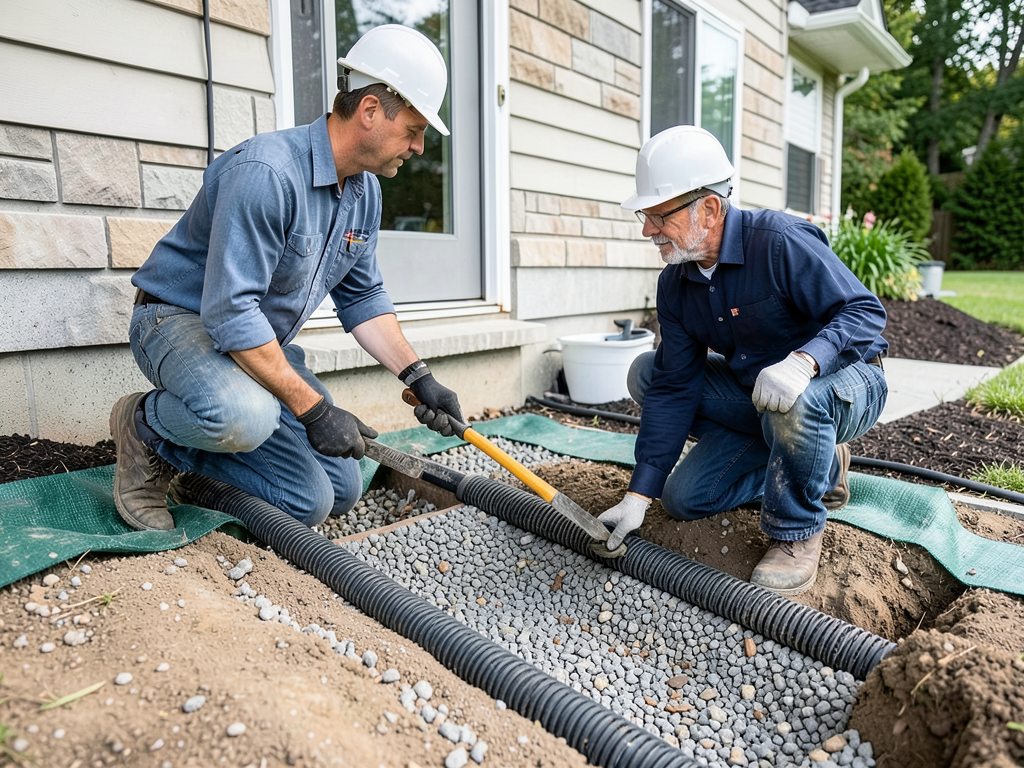
Using Smart Landscaping to Keep Surface Water Away from Your Concord Foundation Your Concord home sits on land shaped by ancient glaciers and fed by seasonal rains. Every year, snowmelt from the Middlesex County watershed…
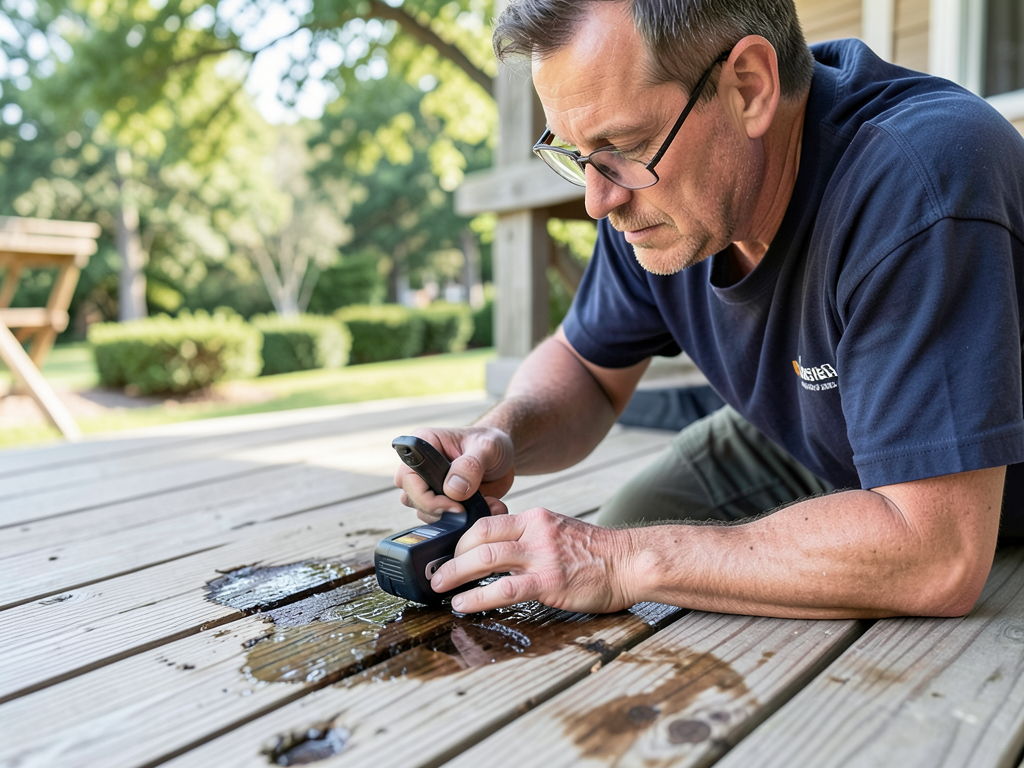
How to Find a Hidden Water Leak Under Your Marblehead Outdoor Deck Living in Marblehead…

When a pipe bursts in your Chestnut Hill home the damage goes far beyond soaked…
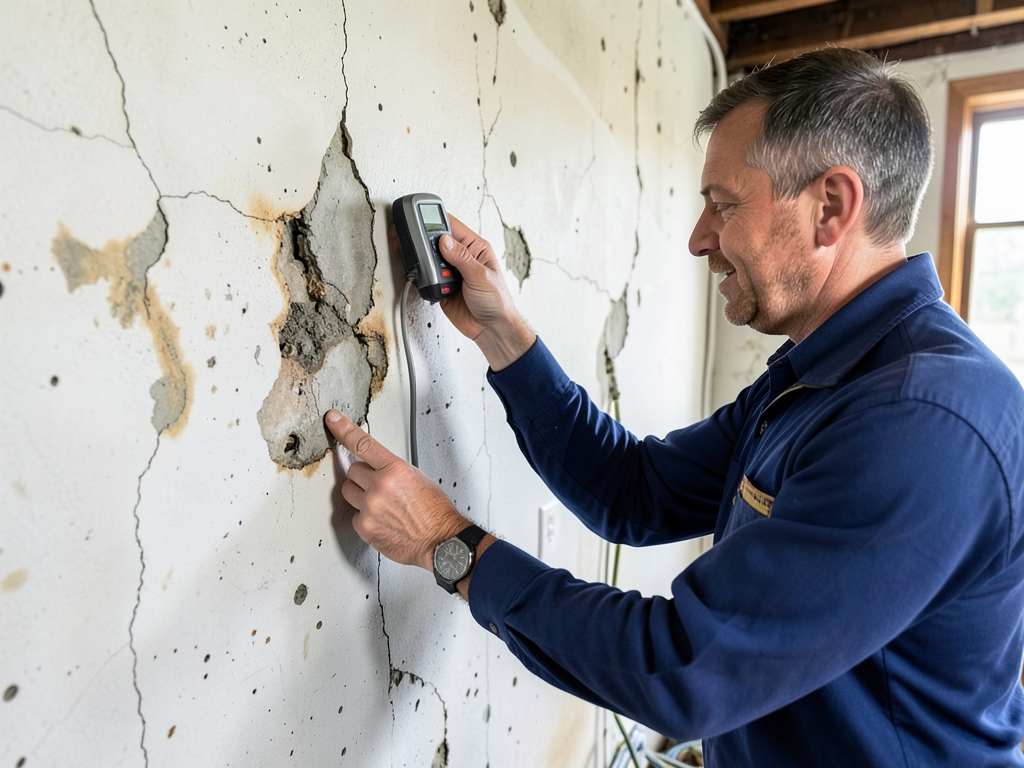
Preparing Your Inland Needham Home for Hurricane Season Flooding Living in Needham means enjoying quiet…
Water damage gets worse every hour you wait. Call (617) 789-8099 right now for immediate dispatch to your Belmont home. We answer 24 hours a day, arrive within 60 minutes, and start extraction immediately. Your home and belongings are at risk until we stop the water.