
What every Mission Hill landlord should know about ice dam water damage
When winter storms hit Mission Hill the steep slopes of historic triple-deckers and brownstones become traps for ice dams. Snow melts on warm roof surfaces then refreezes at the colder eaves creating thick ice barriers that force water under shingles and into your property. This is not just a roof problem. Water can travel through walls into living spaces causing ceiling stains warped drywall and hidden mold growth within 24 to 48 hours. If you own rental property in the 02120 or 02115 zip codes you need to act fast because ice dam water damage spreads quickly and repairs become far more expensive the longer you wait. EPA mold guidelines.
Ice dams form when heat escaping from poorly insulated attics melts rooftop snow. The meltwater runs down to the cold eaves and refreezes creating a dam. As the dam grows water pools behind it and finds its way under shingles through flashing gaps and into your building. Mission Hill’s older housing stock often lacks proper attic insulation and ventilation making it especially vulnerable. The problem worsens when daytime temperatures hover near freezing and nighttime temperatures drop below 32°F which is common in Boston winters.
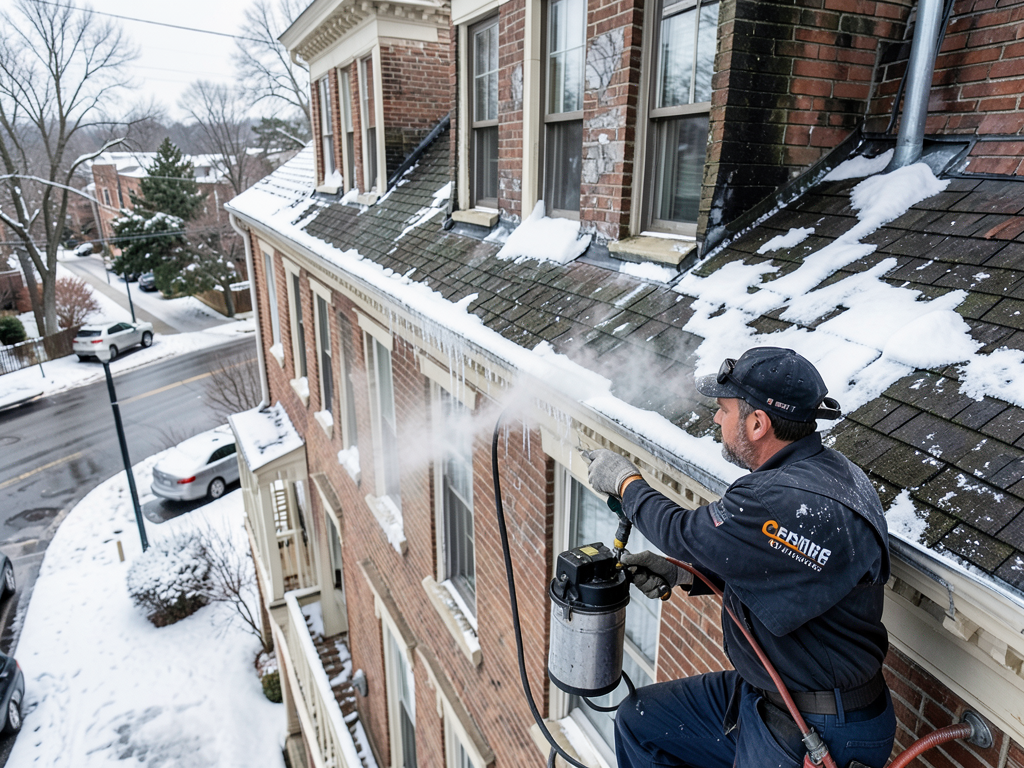
Steam ice dam removal is the safest method for historic buildings. High-temperature steam cuts through ice without damaging shingles or flashing. Mechanical tools like hammers or chisels can crack roofing materials and lead to leaks. After ice removal water extraction and structural drying must begin within hours to prevent secondary damage. Moisture left in wall cavities or ceiling assemblies creates the perfect environment for mold growth. In Boston’s humid climate this can escalate from a water issue to a health hazard within days. Steps to Take After a Flood.
Massachusetts homeowners insurance typically covers sudden ice dam damage if it results from a covered peril like a winter storm. However policies may exclude damage from lack of maintenance or long-term neglect. Documenting the damage with photos and keeping receipts for emergency repairs helps when filing a claim. Many Mission Hill landlords work with restoration companies that coordinate directly with insurers to streamline the process. How to handle a sudden sewage backup in your Somerville home.
Preventing future ice dams starts with improving attic insulation and ventilation. Adding at least R-49 insulation in the attic floor and sealing air leaks from the living space below reduces heat transfer to the roof. Installing ridge and soffit vents creates continuous airflow that keeps the roof deck cold. In some cases heat cables along the eaves can provide extra protection but they are not a substitute for proper insulation. For Mission Hill’s historic buildings any modifications must comply with local preservation guidelines and the Massachusetts State Building Code 780 CMR.. Read more about How to Spot a Roof Leak Before It Ruins Your Top Floor in East Boston.
Time is critical when dealing with ice dam water damage. The longer water sits the more it spreads through porous materials and the higher the risk of structural weakening and mold contamination. A professional restoration team can arrive within 60 minutes in the Mission Hill area to begin emergency water extraction and drying. They use moisture meters to detect hidden dampness in walls and thermal imaging cameras to locate cold spots where ice may still be forming. This diagnostic approach ensures all affected areas are treated not just the visible damage. Professional sump pump failure cleanup for Newton homeowners.
Mission Hill’s unique topography and dense housing create specific challenges during winter storms. Narrow streets limit access for large equipment and many buildings lack direct alley access. Restoration crews familiar with the area know how to navigate these constraints and bring the right tools to each job. They also understand the urgency of working quickly to protect tenants and prevent further property loss.. Read more about Key questions to ask a restoration company before they enter your Boston home.
Ice dam water damage is more than a seasonal inconvenience. It threatens your property value tenant safety and your bottom line. Acting quickly with the right restoration partner can mean the difference between a minor repair and a major renovation. If you suspect ice dam damage call a certified water damage restoration specialist immediately. Do not wait for the ice to melt on its own. The damage will only get worse. Getting immediate help for a burst pipe in your Back Bay brownstone.
Understanding ice dam formation in Boston’s climate
Ice dams develop when rooftop snow melts and refreezes at the eaves. In Boston’s freeze-thaw winter pattern this happens frequently. Daytime temperatures above 32°F melt snow while nighttime temperatures refreeze the runoff. The process repeats creating thick ice barriers. Mission Hill’s older buildings often have inadequate attic insulation allowing heat from living spaces to warm the roof deck. This accelerates melting and increases the likelihood of ice dam formation.. Read more about Why Melting Snow Might Be Seeping Through Your Newton Foundation Right Now.
Roof pitch also plays a role. Steeper roofs on triple-deckers drain faster but if the eaves are blocked by ice water has nowhere to go. Flat or low-slope sections are even more vulnerable because water pools before freezing. The combination of Boston’s winter weather and Mission Hill’s historic architecture makes ice dams a recurring problem for landlords.
Steam removal versus mechanical methods
Steam ice dam removal uses pressurized hot water vapor to melt ice on contact. The steam temperature stays below the point where it would damage shingles or flashing. Mechanical methods like hatchets or chisels can crack roofing materials and cause leaks. Steam is also faster and more thorough because it penetrates ice in crevices and gutters where manual tools cannot reach.. Read more about Dealing With a Clogged Gutter That Is Sending Water Into Your Brookline Attic.
Professional crews use steam at temperatures around 300°F and pressures between 250 and 300 psi. This combination cuts through ice without harming the roof structure. After removal the crew inspects the area for remaining ice and checks for any shingle damage. Steam removal is the preferred method for historic buildings because it preserves the integrity of original roofing materials.. Read more about How long it really takes for mold to grow after a leak in Mattapan.
Water damage restoration process
Once ice is removed the next step is water extraction. Restoration teams use truck-mounted extractors to remove standing water from floors and carpets. For ceiling leaks they may need to cut access holes to drain trapped water and dry wall cavities. Moisture meters help locate hidden dampness behind walls and under flooring.
Structural drying follows extraction. Industrial air movers and dehumidifiers are placed strategically to create airflow across wet surfaces. In some cases specialized drying systems like injectidry are used to force dry air into wall cavities. The goal is to reduce moisture content to safe levels within 72 hours to prevent mold growth. Managing industrial water damage and flood cleanup in Chelsea.
Dehumidification continues until all materials return to normal moisture levels. Technicians monitor progress daily using moisture meters and hygrometers. This data-driven approach ensures the building is truly dry before reconstruction begins. Skipping this step can lead to recurring problems even after visible repairs are complete.
Mold prevention and remediation
Mold can begin growing within 24 to 48 hours of water exposure. In Boston’s humid climate this timeline shortens. Once mold establishes it spreads through airborne spores and can cause health issues for tenants. Professional remediation involves containing the affected area with plastic sheeting and using HEPA air scrubbers to capture spores.. Read more about The real health dangers of ignored water damage in Allston student housing.
Affected materials like drywall or insulation may need removal if they cannot be dried and cleaned. Antimicrobial treatments are applied to prevent regrowth. After remediation clearance testing ensures the area is safe for reoccupancy. For landlords this step is critical to avoid liability and maintain property value.
Insurance claims for ice dam damage
Massachusetts homeowners insurance policies generally cover sudden and accidental water damage from ice dams. However coverage depends on the specific cause and timing. Damage from lack of maintenance or pre-existing conditions may be excluded. Documenting the damage with photos and keeping receipts for emergency repairs strengthens your claim.
Restoration companies often work directly with insurers to provide detailed damage reports and cost estimates. This coordination speeds up the claims process and ensures all necessary repairs are included. Some companies also offer direct billing to insurance reducing out-of-pocket expenses for landlords.
Preventing ice dams in Mission Hill
Prevention starts with attic insulation. Adding at least R-49 insulation in the attic floor reduces heat transfer to the roof. Sealing air leaks from the living space below with spray foam or caulk further limits warm air escape. Proper ventilation is equally important. Installing ridge and soffit vents creates continuous airflow that keeps the roof deck cold.
For Mission Hill’s historic buildings any modifications must comply with the Massachusetts State Building Code 780 CMR and local preservation guidelines. In some cases adding insulation in finished attics is not feasible. Alternative solutions like heat cables along the eaves can provide extra protection but they require professional installation and monitoring.
Regular roof maintenance also helps. Removing snow with a roof rake after heavy storms reduces the snow load and limits melting. However this should be done carefully to avoid shingle damage. Landlords should also inspect flashing and gutters annually to ensure they are secure and free of debris.
Emergency response in Mission Hill
Mission Hill’s narrow streets and dense housing require restoration crews to plan carefully for equipment access. Many buildings lack direct alley access so crews must carry tools and materials through common areas or up staircases. Experience with the neighborhood’s layout speeds up response times and minimizes disruption to tenants.
During winter storms response times can be critical. Ice dam removal and water mitigation must begin within hours to prevent secondary damage. Restoration companies familiar with Mission Hill know how to navigate these constraints and bring the right tools to each job. They also understand the urgency of working quickly to protect tenants and prevent further property loss.
Local building codes and regulations
Ice dam mitigation in Boston must comply with the Massachusetts State Building Code 780 CMR. This code sets standards for attic insulation, ventilation, and roofing materials. For historic buildings in Mission Hill additional preservation guidelines may apply. Any exterior modifications require review by the Boston Landmarks Commission if the building is in a historic district.
Roofing work must also comply with the International Building Code and manufacturer specifications. Using improper materials or installation methods can void warranties and lead to code violations. Professional restoration companies stay current on these requirements to ensure all work is compliant and safe. International Building Code.
Cost factors for ice dam damage repair
Repair costs vary based on the extent of damage and the methods required. Steam ice dam removal typically costs between $300 and $600 per hour depending on roof size and ice thickness. Water extraction and drying add to the total. If mold remediation is needed costs can increase significantly.
Insurance coverage often offsets these expenses but landlords should budget for potential deductibles and uncovered repairs. Investing in prevention through insulation and ventilation upgrades can reduce long-term costs by minimizing the risk of future damage.
Tenant communication and safety
Landlords must communicate clearly with tenants during ice dam events. Informing them of the issue, expected repair timeline, and any temporary disruptions helps maintain trust. Safety is also a priority. Water leaks can create slip hazards and electrical risks. Restoration teams take steps to protect tenants by isolating work areas and using containment barriers.. Read more about Steps for managing a laundry room flood in your Revere multi family property.
If mold is present tenants with respiratory issues should be notified and given the option to relocate temporarily. Keeping detailed records of all communications and actions taken demonstrates due diligence and can protect landlords from liability.
Choosing a restoration partner
When selecting a restoration company look for IICRC certification and experience with Boston’s housing stock. Ask about their response times, insurance coordination, and familiarity with Mission Hill. A reputable company will provide a clear scope of work, detailed estimate, and timeline for completion.
Avoid contractors who recommend quick fixes like roof shoveling without addressing the underlying insulation and ventilation issues. These solutions may provide temporary relief but often lead to recurring problems. A comprehensive approach that includes prevention strategies offers the best long-term value.
Long-term property protection
Ice dam damage is preventable with the right strategies. Investing in attic insulation, ventilation, and regular maintenance reduces the risk of future incidents. For Mission Hill landlords this means fewer emergency calls, lower repair costs, and happier tenants.
Monitoring weather forecasts during winter can also help. When a major storm is expected landlords can take proactive steps like removing snow from roofs or checking attic temperatures. These small actions can prevent large-scale damage and protect your investment.
Frequently Asked Questions
How quickly should I respond to ice dam water damage?
Response should begin within 24 hours to prevent mold growth and structural damage. The longer water sits the more it spreads and the higher the repair costs.
Will my insurance cover ice dam removal and repairs?
Most Massachusetts homeowners policies cover sudden ice dam damage if it results from a covered peril like a winter storm. However damage from lack of maintenance may be excluded.
Can I remove ice dams myself?
DIY removal risks damaging shingles and creating new leaks. Steam removal by certified professionals is the safest method for historic buildings.
How can I prevent ice dams in the future?
Improving attic insulation to at least R-49 and adding proper ventilation are the most effective prevention methods. Sealing air leaks also helps.
What are the signs of hidden water damage?
Look for ceiling stains, peeling paint, musty odors, or warped flooring. Moisture meters and thermal imaging can detect hidden dampness behind walls.
How long does the restoration process take?
Water extraction and initial drying can take 3 to 5 days. Full restoration including repairs may take several weeks depending on damage extent.
Are there local building code requirements for ice dam prevention?
Yes. The Massachusetts State Building Code 780 CMR sets standards for attic insulation and ventilation. Historic buildings may have additional preservation requirements.
What should I do if I find mold after an ice dam leak?
Stop the water source and contact a certified mold remediation specialist. Mold spreads quickly and can cause health issues if not handled properly.
How much does ice dam removal cost?
Steam removal typically costs $300 to $600 per hour. Total cost depends on roof size, ice thickness, and any additional water damage repairs needed.
Can heat cables prevent ice dams?
Heat cables can provide extra protection but they are not a substitute for proper insulation and ventilation. They also require professional installation and monitoring.
What if I rent out my property in Mission Hill?
Landlords should inform tenants of any ice dam issues and expected repair timelines. Safety is a priority so take steps to protect tenants from hazards like slip risks or electrical issues.
How do I choose a reliable restoration company?
Look for IICRC certification, experience with Boston’s housing stock, and familiarity with Mission Hill. Ask about response times, insurance coordination, and prevention strategies.
Will ice dam damage affect my property value?
Unrepaired water damage can lead to structural issues and mold, which reduce property value. Prompt professional restoration helps maintain your investment.
What tools do professionals use to detect hidden moisture?
Moisture meters measure dampness in walls and floors. Thermal imaging cameras locate cold spots where ice may still be forming or where water has pooled.
How can I document damage for insurance purposes?
Take clear photos of all affected areas, keep receipts for emergency repairs, and maintain a log of communications with your restoration company and insurer.
Is ice dam damage more common in certain parts of Mission Hill?
Buildings with poor attic insulation and ventilation are most vulnerable regardless of location. However older triple-deckers and brownstones in the area are at higher risk due to their construction.
What should I do if I notice a leak during a storm?
Place buckets under the leak to catch water, move valuables out of the area, and call a restoration company immediately. Do not wait for the storm to pass.
How do I know if my attic has enough insulation?
Attic insulation should be at least 12 to 14 inches thick for fiberglass or have an R-value of 49. A professional energy audit can assess your current levels.
Can ice dams cause electrical hazards?
Yes. Water leaks near outlets or wiring can create shock risks. If you suspect water near electrical components turn off power to the area and call a professional.
{
“@context”: “https://schema.org”,
“@type”: “BlogPosting”,
“headline”: “What every Mission Hill landlord should know about ice dam water damage”,
“description”: “Ice dams in Mission Hill cause major water damage to triple-deckers and brownstones. Learn how steam removal, structural drying, and Boston insurance claims work.”,
“wordCount”: 2711,
“datePublished”: “2026-03-10T14:18:00.000Z”,
“dateModified”: “2026-03-10T14:18:00.000Z”,
“inLanguage”: “en-US”,
“mainEntityOfPage”: {
“@type”: “WebPage”,
“@id”: “https://firstchoicewaterdamagerestorationboston.com”
},
“publisher”: {
“@type”: “LocalBusiness”,
“name”: “First Choice Water Damage Restoration Boston”,
“url”: “https://firstchoicewaterdamagerestorationboston.com”
},
“author”: {
“@type”: “Organization”,
“name”: “First Choice Water Damage Restoration Boston”,
“url”: “https://firstchoicewaterdamagerestorationboston.com”
},
“image”: {
“@type”: “ImageObject”,
“url”: “https://firstchoicewaterdamagerestorationboston.com/wp-content/uploads/2026/03/what-every-mission-hill-landlord-should-know-about-1.png”
}
}
{
“@context”: “https://schema.org”,
“@type”: “LocalBusiness”,
“name”: “First Choice Water Damage Restoration Boston”,
“url”: “https://firstchoicewaterdamagerestorationboston.com”,
“address”: {
“@type”: “PostalAddress”,
“addressLocality”: “Boston”
},
“areaServed”: {
“@type”: “City”,
“name”: “Boston”
}
}
{
“@context”: “https://schema.org”,
“@type”: “FAQPage”,
“mainEntity”: [
{
“@type”: “Question”,
“name”: “How quickly should I respond to ice dam water damage?”,
“acceptedAnswer”: {
“@type”: “Answer”,
“text”: “Response should begin within 24 hours to prevent mold growth and structural damage. The longer water sits the more it spreads and the higher the repair costs.”
}
},
{
“@type”: “Question”,
“name”: “Will my insurance cover ice dam removal and repairs?”,
“acceptedAnswer”: {
“@type”: “Answer”,
“text”: “Most Massachusetts homeowners policies cover sudden ice dam damage if it results from a covered peril like a winter storm. However damage from lack of maintenance may be excluded.”
}
},
{
“@type”: “Question”,
“name”: “Can I remove ice dams myself?”,
“acceptedAnswer”: {
“@type”: “Answer”,
“text”: “DIY removal risks damaging shingles and creating new leaks. Steam removal by certified professionals is the safest method for historic buildings.”
}
},
{
“@type”: “Question”,
“name”: “How can I prevent ice dams in the future?”,
“acceptedAnswer”: {
“@type”: “Answer”,
“text”: “Improving attic insulation to at least R-49 and adding proper ventilation are the most effective prevention methods. Sealing air leaks also helps.”
}
},
{
“@type”: “Question”,
“name”: “What are the signs of hidden water damage?”,
“acceptedAnswer”: {
“@type”: “Answer”,
“text”: “Look for ceiling stains, peeling paint, musty odors, or warped flooring. Moisture meters and thermal imaging can detect hidden dampness behind walls.”
}
},
{
“@type”: “Question”,
“name”: “How long does the restoration process take?”,
“acceptedAnswer”: {
“@type”: “Answer”,
“text”: “Water extraction and initial drying can take 3 to 5 days. Full restoration including repairs may take several weeks depending on damage extent.”
}
},
{
“@type”: “Question”,
“name”: “Are there local building code requirements for ice dam prevention?”,
“acceptedAnswer”: {
“@type”: “Answer”,
“text”: “Yes. The Massachusetts State Building Code 780 CMR sets standards for attic insulation and ventilation. Historic buildings may have additional preservation requirements.”
}
},
{
“@type”: “Question”,
“name”: “What should I do if I find mold after an ice dam leak?”,
“acceptedAnswer”: {
“@type”: “Answer”,
“text”: “Stop the water source and contact a certified mold remediation specialist. Mold spreads quickly and can cause health issues if not handled properly.”
}
},
{
“@type”: “Question”,
“name”: “How much does ice dam removal cost?”,
“acceptedAnswer”: {
“@type”: “Answer”,
“text”: “Steam removal typically costs $300 to $600 per hour. Total cost depends on roof size, ice thickness, and any additional water damage repairs needed.”
}
},
{
“@type”: “Question”,
“name”: “Can heat cables prevent ice dams?”,
“acceptedAnswer”: {
“@type”: “Answer”,
“text”: “Heat cables can provide extra protection but they are not a substitute for proper insulation and ventilation. They also require professional installation and monitoring.”
}
},
{
“@type”: “Question”,
“name”: “What if I rent out my property in Mission Hill?”,
“acceptedAnswer”: {
“@type”: “Answer”,
“text”: “Landlords should inform tenants of any ice dam issues and expected repair timelines. Safety is a priority so take steps to protect tenants from hazards like slip risks or electrical issues.”
}
},
{
“@type”: “Question”,
“name”: “How do I choose a reliable restoration company?”,
“acceptedAnswer”: {
“@type”: “Answer”,
“text”: “Look for IICRC certification, experience with Boston’s housing stock, and familiarity with Mission Hill. Ask about response times, insurance coordination, and prevention strategies.”
}
},
{
“@type”: “Question”,
“name”: “Will ice dam damage affect my property value?”,
“acceptedAnswer”: {
“@type”: “Answer”,
“text”: “Unrepaired water damage can lead to structural issues and mold, which reduce property value. Prompt professional restoration helps maintain your investment.”
}
},
{
“@type”: “Question”,
“name”: “What tools do professionals use to detect hidden moisture?”,
“acceptedAnswer”: {
“@type”: “Answer”,
“text”: “Moisture meters measure dampness in walls and floors. Thermal imaging cameras locate cold spots where ice may still be forming or where water has pooled.”
}
},
{
“@type”: “Question”,
“name”: “How can I document damage for insurance purposes?”,
“acceptedAnswer”: {
“@type”: “Answer”,
“text”: “Take clear photos of all affected areas, keep receipts for emergency repairs, and maintain a log of communications with your restoration company and insurer.”
}
},
{
“@type”: “Question”,
“name”: “Is ice dam damage more common in certain parts of Mission Hill?”,
“acceptedAnswer”: {
“@type”: “Answer”,
“text”: “Buildings with poor attic insulation and ventilation are most vulnerable regardless of location. However older triple-deckers and brownstones in the area are at higher risk due to their construction.”
}
},
{
“@type”: “Question”,
“name”: “What should I do if I notice a leak during a storm?”,
“acceptedAnswer”: {
“@type”: “Answer”,
“text”: “Place buckets under the leak to catch water, move valuables out of the area, and call a restoration company immediately. Do not wait for the storm to pass.”
}
},
{
“@type”: “Question”,
“name”: “How do I know if my attic has enough insulation?”,
“acceptedAnswer”: {
“@type”: “Answer”,
“text”: “Attic insulation should be at least 12 to 14 inches thick for fiberglass or have an R-value of 49. A professional energy audit can assess your current levels.”
}
},
{
“@type”: “Question”,
“name”: “Can ice dams cause electrical hazards?”,
“acceptedAnswer”: {
“@type”: “Answer”,
“text”: “Yes. Water leaks near outlets or wiring can create shock risks. If you suspect water near electrical components turn off power to the area and call a professional.”
}
}
]
}
{
“@context”: “https://schema.org”,
“@type”: “BreadcrumbList”,
“itemListElement”: [
{
“@type”: “ListItem”,
“position”: 1,
“name”: “Home”,
“item”: “https://firstchoicewaterdamagerestorationboston.com”
},
{
“@type”: “ListItem”,
“position”: 2,
“name”: “Blog”,
“item”: “https://firstchoicewaterdamagerestorationboston.com/blog”
},
{
“@type”: “ListItem”,
“position”: 3,
“name”: “What every Mission Hill landlord should know about ice dam water damage”
}
]
}
{
“@context”: “https://schema.org”,
“@type”: “Service”,
“serviceType”: “Water Damage Restoration”,
“provider”: {
“@type”: “LocalBusiness”,
“name”: “First Choice Water Damage Restoration Boston”,
“url”: “https://firstchoicewaterdamagerestorationboston.com”
},
“areaServed”: {
“@type”: “City”,
“name”: “Boston”
},
“description”: “Ice dams in Mission Hill cause major water damage to triple-deckers and brownstones. Learn how steam removal, structural drying, and Boston insurance claims work.”
}