
How to tell if your Roslindale basement has a foundation leak or just humidity
Roslindale homeowners often notice damp basement walls or musty odors and wonder if they have a serious foundation leak or simply high humidity. The answer matters because foundation leaks require immediate repair to prevent structural damage while humidity issues can often be solved with dehumidification and ventilation. This guide explains the key differences between foundation leaks and condensation in Roslindale basements and provides simple diagnostic tests you can perform yourself. EPA Mold Guidelines.
Why Your Roslindale Basement is Wet: The Core Differences
Foundation leaks occur when groundwater or rainwater penetrates through cracks in your basement walls or floor. This water typically enters from the outside due to hydrostatic pressure from saturated soil around your foundation. You might notice water pooling on the floor, damp spots on walls that grow larger after rain, or visible cracks with water seeping through them. Steps to Take After a Flood.
Basement condensation happens when warm, moist air contacts cool basement surfaces. This creates water droplets on walls, pipes, and windows. Unlike foundation leaks, condensation is usually uniform across surfaces and disappears when humidity drops or temperatures rise. You will often see condensation on cold water pipes, metal fixtures, and concrete walls that feel damp but not actively leaking. Water Damage Restoration Newton.
The 24-Hour Duct Tape Test: A DIY Diagnostic for Homeowners
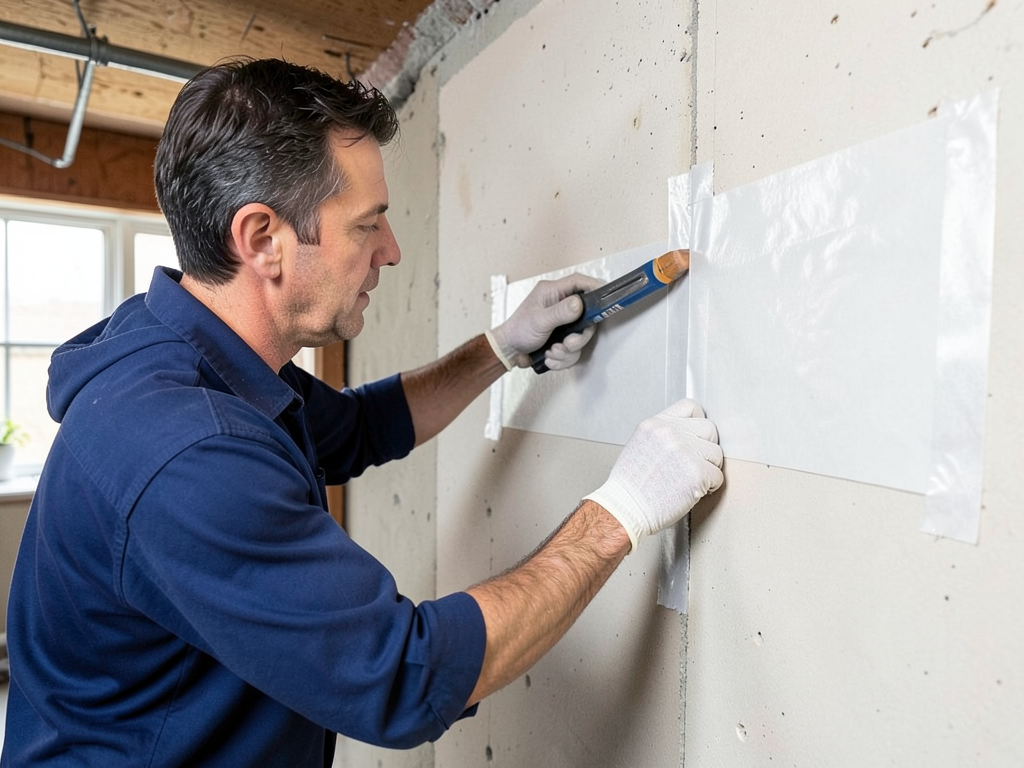
The simplest way to determine if moisture is coming from inside or outside your basement is the duct tape test. Clean a section of your basement wall about two feet square and let it dry completely. Apply a piece of duct tape to the cleaned area making sure all edges are sealed against the wall. Leave the tape in place for 24 hours.. Read more about Why your basement smells like a sewer after it rains in Roslindale.
After 24 hours remove the tape. If the wall underneath is dry but the tape is wet on the outside facing the room you have condensation. If the wall underneath is wet or damp you likely have a foundation leak allowing water to pass through from the outside.
Signs of Foundation Leaks (Hydrostatic Pressure)
Foundation leaks in Roslindale homes often show specific patterns. Water typically appears after heavy rain or during spring thaw when soil moisture is highest. You might notice water entering through vertical cracks that follow the mortar joints in older stone or brick foundations common in Roslindale’s historic homes.. Read more about Why Melting Snow Might Be Seeping Through Your Newton Foundation Right Now.
Look for these warning signs: water stains that appear in vertical lines or patterns, efflorescence (white powdery deposits) on walls where minerals are carried by water, puddles that form in specific areas after rain, or cracks that widen over time. Foundation leaks often worsen during nor’easters when Boston receives heavy rainfall combined with snowmelt.. Read more about That White Crusty Powder on Your South End Brick Walls Explained.
Signs of Basement Condensation (High Humidity)
Condensation problems typically worsen during summer months when Boston experiences high humidity levels often exceeding seventy percent. You will notice condensation on cold water pipes, metal fixtures, and windows. The moisture appears as uniform dampness across large wall areas rather than concentrated spots.
Other signs include musty odors without visible water sources, mold growth on organic materials like cardboard boxes or wood stored against walls, and water droplets forming on basement windows during humid weather. Condensation problems often improve when you run a dehumidifier or increase air circulation with fans.
How Boston’s Climate and Roslindale Soil Affect Your Foundation
Roslindale’s location in the Stony Brook watershed means many homes sit on soil with moderate to high clay content. Clay soil expands when wet and contracts when dry creating pressure cycles against foundation walls. During Boston’s wet seasons this soil can hold moisture against your foundation for extended periods increasing hydrostatic pressure.
The area’s freeze-thaw cycles also contribute to foundation problems. When water in soil freezes it expands by about nine percent potentially widening existing cracks. Roslindale’s older housing stock built before modern drainage requirements often lacks proper exterior waterproofing making these homes more vulnerable to foundation leaks.. Read more about Using thermal imaging to find hidden leaks in luxury Boston apartments.
When to Call a Water Damage Professional in Boston
Call a professional immediately if you notice active water intrusion during rain, standing water that does not dry within 24 hours, or water entering through foundation cracks. These conditions indicate foundation leaks that require structural repair to prevent further damage. Getting immediate help for a burst pipe in your Back Bay brownstone.
Also contact a professional if you discover mold covering more than ten square feet, notice structural cracks wider than one-quarter inch, or if your DIY tests show water entering from outside. Foundation repairs and waterproofing require specialized equipment and expertise to ensure proper drainage and prevent future problems. Professional sump pump failure cleanup for Newton homeowners.
Immediate Steps to Prevent Mold Growth
If you discover moisture in your basement take these immediate steps. Remove any standing water using a wet vacuum or mop. Increase air circulation by opening windows if weather permits and using fans to move air. Run a dehumidifier to reduce humidity levels below sixty percent.
Move organic materials like cardboard boxes, paper documents, and fabric items away from damp areas. These materials provide food sources for mold growth. If you notice visible mold growth on surfaces larger than a dinner plate consider professional remediation to prevent spores from spreading throughout your home.
Comparing Foundation Leaks vs Condensation: Quick Reference Guide
| Characteristic | Foundation Leak | Condensation |
|---|---|---|
| Moisture Pattern | Localized spots or lines | Uniform across surfaces |
| Timing | Worse after rain or thaw | Worse during humid weather |
| Surface Feel | Wet to touch actively | Damp but not actively leaking |
| Visual Signs | Water stains, efflorescence | Water droplets, mold |
| DIY Test Result | Wall wet under tape | Tape wet on room side |
| Repair Approach | Foundation waterproofing | Dehumidification ventilation |
Understanding Your Basement’s Moisture Source Saves Money and Prevents Damage
Correctly identifying whether your Roslindale basement has a foundation leak or humidity problem can save you thousands of dollars in unnecessary repairs. Foundation waterproofing costs typically range from $5000 to $15000 while solving humidity issues might cost $500 to $2000 for dehumidification equipment and minor ventilation improvements.
Many homeowners waste money on expensive waterproofing when simple humidity control would solve their problem. Others delay necessary foundation repairs thinking they have a humidity issue when water is actually entering through cracks. The duct tape test provides a clear answer without requiring professional inspection.
Roslindale’s older homes built between 1900 and 1940 often have stone or brick foundations that require different repair approaches than modern concrete foundations. These historic materials can be more vulnerable to water infiltration but also more challenging to waterproof effectively.
Local Building Codes and Moisture Control Requirements
Massachusetts State Building Code Section 780 CMR 780.309 requires proper drainage away from foundations with minimum slopes of two percent for at least ten feet from building walls. The code also mandates that basement floors have vapor barriers and that crawl spaces have proper ventilation to prevent moisture accumulation. Massachusetts State Building Code.
Local Roslindale homes must also comply with Boston Water and Sewer Commission requirements for downspout disconnection and proper drainage. Many older homes in the area were built before these requirements existed making them more susceptible to foundation moisture problems.
Professional Diagnostic Tools We Use
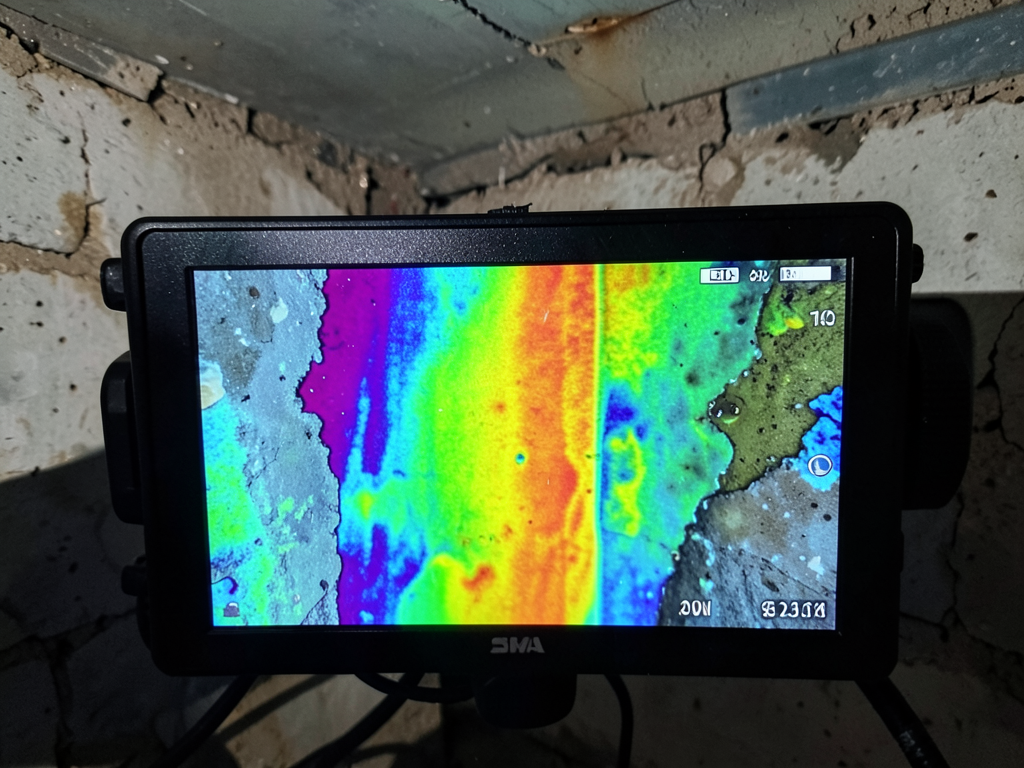
Professional water damage restoration companies use specialized equipment to diagnose basement moisture problems. Thermal imaging cameras detect temperature differences that indicate moisture behind walls. Moisture meters measure water content in materials to determine if dampness is active or residual.
Professional hygrometers measure relative humidity and dew point to assess condensation risk. Borescopes allow inspection of wall cavities without destructive testing. These tools provide accurate diagnosis that DIY methods cannot match especially for complex moisture problems.
Preventing Future Basement Moisture Problems
Whether you have a foundation leak or humidity issue prevention is key to avoiding future problems. For foundation leaks ensure proper grading around your home with soil sloping away from foundation walls at minimum two percent grade. Clean and maintain gutters regularly to prevent overflow against foundation walls.
For humidity control install a properly sized dehumidifier and consider adding a basement ventilation system. Insulate cold water pipes to prevent condensation. Use moisture-resistant materials for basement finishing including mold-resistant drywall and flooring designed for below-grade installation.
Call (617) 789-8099 for Expert Basement Moisture Assessment
Don’t guess about your basement moisture problem. Call (617) 789-8099 today to schedule a professional assessment. Our experienced technicians will diagnose the exact cause of your basement moisture using professional equipment and provide clear recommendations for solving the problem permanently.
We offer 24/7 emergency service for active water intrusion and provide free consultations for moisture assessment. Our team understands the unique challenges of Roslindale’s older homes and Boston’s climate. We will help you choose the most cost-effective solution whether you need foundation repair or humidity control.
Frequently Asked Questions
How can I tell if my basement moisture is from a leak or humidity?
Use the 24-hour duct tape test described above. Clean a wall section apply tape leave for 24 hours then check. If the wall is wet under the tape you have a leak. If only the tape surface is wet you have condensation.
How much does it cost to fix a foundation leak in Roslindale?
Foundation leak repairs typically cost between $5000 and $15000 depending on the extent of damage and repair method needed. Simple crack repairs start around $500 while complete exterior waterproofing systems can exceed $20000.
Can I fix basement condensation myself?
Yes many humidity problems can be solved with DIY approaches. Start with a dehumidifier sized for your basement square footage. Improve ventilation add insulation to cold surfaces and ensure proper drainage around your foundation. If problems persist call a professional.
How long does a professional moisture assessment take?
A typical basement moisture assessment takes 1 to 2 hours. The technician will inspect your basement perform diagnostic tests and provide recommendations. More complex cases may require additional time for detailed analysis.
Will my homeowner’s insurance cover basement moisture damage?
Insurance coverage depends on the cause. Sudden and accidental water damage from burst pipes is usually covered. Gradual foundation leaks and humidity problems are typically not covered as they are considered maintenance issues. Check your specific policy for details. How to handle a sudden sewage backup in your Somerville home.
{
“@context”: “https://schema.org”,
“@type”: “BlogPosting”,
“headline”: “How to tell if your Roslindale basement has a foundation leak or just humidity”,
“description”: “Diagnose basement moisture in Roslindale homes. Learn to distinguish foundation leaks from condensation using DIY tests and local climate factors. Call (617) 789-8099 for expert help.”,
“wordCount”: 1698,
“datePublished”: “2026-03-09T11:43:00.000Z”,
“dateModified”: “2026-03-09T11:43:00.000Z”,
“inLanguage”: “en-US”,
“mainEntityOfPage”: {
“@type”: “WebPage”,
“@id”: “https://firstchoicewaterdamagerestorationboston.com”
},
“publisher”: {
“@type”: “LocalBusiness”,
“name”: “First Choice Water Damage Restoration Boston”,
“url”: “https://firstchoicewaterdamagerestorationboston.com”
},
“author”: {
“@type”: “Organization”,
“name”: “First Choice Water Damage Restoration Boston”,
“url”: “https://firstchoicewaterdamagerestorationboston.com”
},
“image”: {
“@type”: “ImageObject”,
“url”: “https://firstchoicewaterdamagerestorationboston.com/wp-content/uploads/2026/03/how-to-tell-if-your-roslindale-basement-has-a-foun-1.png”
}
}
{
“@context”: “https://schema.org”,
“@type”: “LocalBusiness”,
“name”: “First Choice Water Damage Restoration Boston”,
“url”: “https://firstchoicewaterdamagerestorationboston.com”,
“address”: {
“@type”: “PostalAddress”,
“addressLocality”: “Boston”
},
“areaServed”: {
“@type”: “City”,
“name”: “Boston”
}
}
{
“@context”: “https://schema.org”,
“@type”: “FAQPage”,
“mainEntity”: [
{
“@type”: “Question”,
“name”: “How can I tell if my basement moisture is from a leak or humidity?”,
“acceptedAnswer”: {
“@type”: “Answer”,
“text”: “Use the 24-hour duct tape test described above. Clean a wall section apply tape leave for 24 hours then check. If the wall is wet under the tape you have a leak. If only the tape surface is wet you have condensation.”
}
},
{
“@type”: “Question”,
“name”: “How much does it cost to fix a foundation leak in Roslindale?”,
“acceptedAnswer”: {
“@type”: “Answer”,
“text”: “Foundation leak repairs typically cost between $5000 and $15000 depending on the extent of damage and repair method needed. Simple crack repairs start around $500 while complete exterior waterproofing systems can exceed $20000.”
}
},
{
“@type”: “Question”,
“name”: “Can I fix basement condensation myself?”,
“acceptedAnswer”: {
“@type”: “Answer”,
“text”: “Yes many humidity problems can be solved with DIY approaches. Start with a dehumidifier sized for your basement square footage. Improve ventilation add insulation to cold surfaces and ensure proper drainage around your foundation. If problems persist call a professional.”
}
},
{
“@type”: “Question”,
“name”: “How long does a professional moisture assessment take?”,
“acceptedAnswer”: {
“@type”: “Answer”,
“text”: “A typical basement moisture assessment takes 1 to 2 hours. The technician will inspect your basement perform diagnostic tests and provide recommendations. More complex cases may require additional time for detailed analysis.”
}
},
{
“@type”: “Question”,
“name”: “Will my homeowner’s insurance cover basement moisture damage?”,
“acceptedAnswer”: {
“@type”: “Answer”,
“text”: “Insurance coverage depends on the cause. Sudden and accidental water damage from burst pipes is usually covered. Gradual foundation leaks and humidity problems are typically not covered as they are considered maintenance issues. Check your specific policy for details. How to handle a sudden sewage backup in your Somerville home.”
}
}
]
}
{
“@context”: “https://schema.org”,
“@type”: “BreadcrumbList”,
“itemListElement”: [
{
“@type”: “ListItem”,
“position”: 1,
“name”: “Home”,
“item”: “https://firstchoicewaterdamagerestorationboston.com”
},
{
“@type”: “ListItem”,
“position”: 2,
“name”: “Blog”,
“item”: “https://firstchoicewaterdamagerestorationboston.com/blog”
},
{
“@type”: “ListItem”,
“position”: 3,
“name”: “How to tell if your Roslindale basement has a foundation leak or just humidity”
}
]
}
{
“@context”: “https://schema.org”,
“@type”: “Service”,
“serviceType”: “Water Damage Restoration”,
“provider”: {
“@type”: “LocalBusiness”,
“name”: “First Choice Water Damage Restoration Boston”,
“url”: “https://firstchoicewaterdamagerestorationboston.com”
},
“areaServed”: {
“@type”: “City”,
“name”: “Boston”
},
“description”: “Diagnose basement moisture in Roslindale homes. Learn to distinguish foundation leaks from condensation using DIY tests and local climate factors. Call (617) 789-8099 for expert help.”
}