
The Real Cost Difference Between Drying and Replacing Wet Insulation in a Saugus Attic
Wet insulation in your Saugus attic creates a serious dilemma. Should you attempt to dry it out or replace it entirely? The answer depends on several critical factors including the extent of water damage, type of insulation, and potential health risks. Most homeowners don’t realize that attempting to save wet insulation often costs more in the long run due to mold growth, reduced energy efficiency, and structural damage. Water Damage Restoration Newton.
Understanding the real cost difference between drying and replacing wet insulation helps you make an informed decision that protects your home and your wallet. This comprehensive guide breaks down the financial implications, health considerations, and practical steps for handling water-damaged attic insulation in Saugus homes. Steps to Take After a Flood.
Understanding Water Damage to Attic Insulation
Attic insulation in Saugus homes faces unique challenges due to our region’s climate. Heavy winter snow loads, ice dams, and spring rains create conditions where water frequently finds its way into attic spaces. Once insulation gets wet, it loses its ability to resist heat flow, creating a cascade of problems that extend far beyond the initial water intrusion.. Read more about Why Your Reading Attic is Growing Mold Even if the Roof Does Not Leak.
Water-damaged insulation typically falls into two categories: minor surface moisture versus complete saturation. Minor moisture might occur from condensation or small roof leaks, while complete saturation results from major roof failures, ice damming, or plumbing leaks in attic spaces. Professional sump pump failure cleanup for Newton homeowners.
The type of insulation in your attic significantly impacts the drying versus replacement decision. Fiberglass batt insulation can sometimes be salvaged if caught early, while cellulose insulation tends to mat and clump when wet, making restoration nearly impossible. Spray foam insulation presents its own unique challenges when exposed to water.

Image Description: Technician using moisture meter to test wet attic insulation, showing diagnostic equipment and moisture readings on digital display.
Cost Analysis: Drying vs. Replacing Wet Insulation
The financial decision between drying and replacing wet insulation involves more than just the immediate removal costs. Here’s a detailed breakdown of what each option typically entails: Getting immediate help for a burst pipe in your Back Bay brownstone.
| Cost Factor | Drying Process | Replacement Process |
|---|---|---|
| Initial Assessment | $200-400 | $200-400 |
| Equipment Rental/Setup | $500-1,200 | $0 |
| Labor for Drying | $800-1,500 | $0 |
| Moisture Monitoring | $300-600 | $0 |
| New Insulation Materials | $0 | $1,500-3,500 |
| Installation Labor | $0 | $800-1,600 |
| Disposal Fees | $200-400 | $300-600 |
| Total Estimated Cost | $2,000-4,300 | $2,600-6,200 |
These estimates assume moderate attic sizes of 1,000-1,500 square feet. Costs can vary significantly based on accessibility, extent of damage, and local labor rates in the Saugus area.
Hidden Costs of Attempting to Dry Wet Insulation
Many homeowners choose the drying route to save money upfront, but this decision often leads to additional expenses that aren’t immediately apparent. Mold remediation typically costs between $2,000-6,000 if growth develops in the weeks following a water event. Energy bills can increase by 20-30% when compromised insulation fails to maintain proper R-values.
Structural damage represents another significant hidden cost. Wet insulation can cause ceiling stains, wood rot, and even ceiling collapse in severe cases. These repairs often exceed the original cost of proper insulation replacement by thousands of dollars. EPA Mold Information.
Health and Safety Considerations
Beyond financial implications, the health risks associated with wet insulation demand serious consideration. The Massachusetts Department of Public Health reports that mold can begin growing within 24-48 hours of water exposure, with some species producing mycotoxins that cause respiratory issues, allergic reactions, and other health problems. Massachusetts Department of Environmental Protection.
Older Saugus homes, particularly those built before 1978, may contain asbestos in vermiculite insulation or lead-based paint components. Disturbing these materials during drying attempts can release dangerous particles into your living space. Professional testing costs $300-600 but provides crucial safety information.. Read more about How to Stop Ice Dams from Forming on Your Wellesley Roof Before the Next Big Snow.
Air quality testing after water damage typically ranges from $400-800 but can identify hidden contamination that poses ongoing health risks. Many insurance companies now require professional documentation of air quality before covering related health claims.
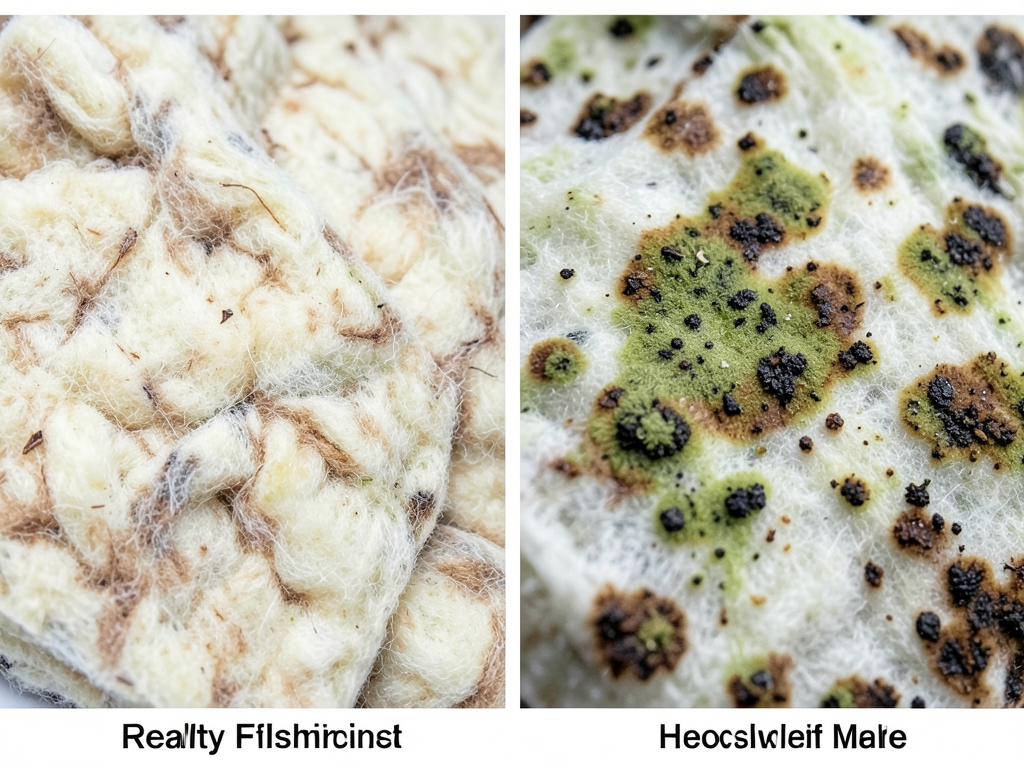
Image Description: Side-by-side comparison showing healthy fiberglass insulation versus mold-infested wet insulation, highlighting visible mold growth and discoloration.
Step-by-Step Process for Handling Wet Attic Insulation
Whether you choose drying or replacement, following proper procedures protects your investment and your family’s health. Here’s the recommended process for addressing wet attic insulation:
- Emergency Assessment
Inspect the extent of water damage within 24 hours. Check for active leaks, standing water, and moisture levels using a professional moisture meter. Document everything with photos for insurance purposes.
- Containment
Seal off the affected area to prevent moisture migration to other parts of your home. Use plastic sheeting and tape to create containment barriers, especially important for homes with HVAC systems in the attic.
- Moisture Testing
Take baseline moisture readings in multiple locations. Document readings in a moisture map to track drying progress. This step is crucial for insurance documentation and determining salvageability.
- Removal Decision
Based on moisture levels, insulation type, and age, decide whether to attempt drying or proceed with replacement. Most professionals recommend replacement for insulation over 10 years old or showing signs of compression.
- Implementation
Execute the chosen method with proper safety equipment. For drying, use commercial-grade dehumidifiers and air movers. For replacement, follow proper disposal protocols for water-damaged materials.
- Verification
Conduct final moisture testing to ensure the attic space returns to normal humidity levels. For replacements, verify new insulation meets current R-value requirements for Massachusetts climate zones.
Professional Assessment Requirements
Massachusetts building codes require professional assessment for any water damage affecting structural components. The Massachusetts State Building Code (780 CMR) Section 780 establishes specific requirements for moisture content in wood structural members, typically requiring readings below 15% for safe occupancy.
Professional moisture meters used by certified technicians can detect moisture levels up to 3/4″ deep in materials, while consumer-grade meters only read surface moisture. This deeper detection is crucial because insulation can feel dry on the surface while remaining saturated internally.
Insurance Considerations for Wet Insulation
Most homeowner insurance policies in Massachusetts cover sudden and accidental water damage, but coverage details vary significantly. Sudden roof leaks from storms typically qualify for coverage, while gradual damage from ice dams or condensation often falls under maintenance exclusions. How to handle a sudden sewage backup in your Somerville home.
Insurance companies increasingly require professional documentation of water damage extent and remediation methods. Without proper documentation, claims can be denied or reduced by 30-50%. Many policies now specify that only licensed professionals can perform water damage restoration to qualify for full coverage.
The insurance claim process typically takes 2-4 weeks from initial filing to settlement. During this time, continuing damage can occur, making prompt action crucial even before claim approval. Some restoration companies offer direct insurance billing, simplifying the payment process for homeowners.
Environmental and Disposal Regulations
Massachusetts has specific regulations for disposing of water-damaged building materials. The Massachusetts Department of Environmental Protection (MassDEP) requires that water-damaged insulation containing mold growth be disposed of as construction and demolition waste rather than regular trash.
Certain older insulation materials may contain hazardous substances requiring special handling. Vermiculite insulation installed before 1990 may contain asbestos, while some foam insulations manufactured before 2000 used ozone-depleting substances now regulated under EPA guidelines.
Proper disposal costs typically add $100-300 to the overall project but ensures compliance with state regulations and protects the environment. Many disposal facilities require documentation of material testing before accepting potentially hazardous waste.
Image Description: Technician wearing full PPE during insulation removal, demonstrating proper safety equipment including respirator, gloves, and protective clothing.
Making the Right Decision for Your Saugus Home
Several factors specific to Saugus homes influence the drying versus replacement decision. The area’s historic housing stock, built primarily between 1950-1980, often contains insulation that has already lost significant R-value due to settling and compression over decades.
Saugus’s proximity to the coast means higher humidity levels year-round, making complete drying more difficult and increasing mold growth risks. The area’s temperature fluctuations between seasons also cause expansion and contraction in building materials, potentially creating new entry points for moisture.
Consider these decision factors specific to your situation:
- Age of existing insulation (over 15 years typically warrants replacement)
- Extent of water saturation (partial vs. complete)
- Presence of mold or mildew (any visible growth requires replacement)
- Energy efficiency goals (modern insulation offers 30-50% better performance)
- Future plans for the home (selling vs. long-term ownership)
Cost-Saving Strategies
If budget constraints influence your decision, consider these approaches to minimize costs while ensuring safety:
- Request multiple quotes from IICRC-certified contractors
- Ask about off-season pricing (late fall and winter often offer discounts)
- Consider DIY removal of non-contaminated materials if properly equipped
- Bundle services with other needed home improvements
- Check for energy efficiency rebates through Mass Save programs
Massachusetts offers various energy efficiency incentives that can offset replacement costs by 20-40%. These programs often require professional installation and documentation, making them incompatible with DIY approaches.
Preventing Future Insulation Damage
Once you’ve addressed current water damage, preventing future incidents saves money and protects your investment. Regular roof inspections every 2-3 years can identify potential problems before they cause extensive damage. Look for missing shingles, damaged flashing, and proper attic ventilation.
Ice dam prevention is particularly important for Saugus homes. Proper attic insulation and ventilation keep roof temperatures uniform, preventing the freeze-thaw cycles that create ice dams. Installing heat cables along roof edges costs $500-1,500 but can prevent thousands in water damage.
Consider upgrading to mold-resistant insulation materials when replacing damaged insulation. Many modern products include antimicrobial treatments and moisture-resistant properties that provide additional protection against future water events.
Frequently Asked Questions
How long can wet insulation sit before mold becomes a problem?
Mold can begin growing within 24-48 hours of water exposure. The risk increases significantly after 72 hours, making immediate action crucial for preventing mold growth and structural damage.
Can I dry wet insulation myself using fans and dehumidifiers?
While small areas of minor moisture might respond to DIY drying, professional equipment and expertise are recommended for most situations. Consumer-grade equipment typically cannot achieve the deep moisture removal needed to prevent mold growth in insulation materials.
Will my insurance cover wet insulation replacement?
Coverage depends on the cause of water damage. Sudden events like storms or burst pipes are typically covered, while gradual damage from ice dams or condensation often falls under maintenance exclusions. Professional assessment documentation is crucial for successful claims.
How can I tell if my insulation is salvageable?
Professional moisture testing provides the most accurate assessment. Generally, insulation that has been wet for less than 48 hours and shows moisture readings below 15% might be salvageable, but mold testing is recommended even in these cases.
What R-value should I install when replacing insulation?
Massachusetts recommends R-49 to R-60 for attic insulation in most areas. Saugus’s climate zone and proximity to the coast may warrant the higher end of this range for optimal energy efficiency.
Take Action Before More Damage Occurs
Wet insulation in your Saugus attic isn’t just an inconvenience—it’s a ticking time bomb for mold growth, structural damage, and skyrocketing energy bills. Every day you wait increases the risk of irreversible damage and higher restoration costs.
Don’t gamble with your home’s safety and your family’s health. Professional assessment and proper remediation protect your investment and provide peace of mind. The cost difference between drying and replacing wet insulation pales in comparison to the potential expenses of untreated water damage.
Call (617) 789-8099 today to schedule your inspection. Our certified technicians will assess your situation, provide transparent pricing, and recommend the most cost-effective solution for your specific circumstances. We serve Saugus and all surrounding North Shore communities with 24/7 emergency response.
Pick up the phone and call (617) 789-8099 before the next storm hits. Early intervention can mean the difference between a simple fix and a major renovation project. Your home deserves professional care, and your family deserves a safe, healthy living environment.
You may also find this helpful. Why Your Milton Chimney is Actually the Source of That Living Room Water Stain.
{
“@context”: “https://schema.org”,
“@type”: “BlogPosting”,
“headline”: “The Real Cost Difference Between Drying and Replacing Wet Insulation in a Saugus Attic”,
“description”: “Discover the true cost differences between drying and replacing wet attic insulation in Saugus. Learn which option saves money and prevents mold damage in your home.”,
“wordCount”: 1979,
“datePublished”: “2026-05-16T11:32:00.000Z”,
“dateModified”: “2026-05-16T11:32:00.000Z”,
“inLanguage”: “en-US”,
“mainEntityOfPage”: {
“@type”: “WebPage”,
“@id”: “https://firstchoicewaterdamagerestorationboston.com”
},
“publisher”: {
“@type”: “LocalBusiness”,
“name”: “First Choice Water Damage Restoration Boston”,
“url”: “https://firstchoicewaterdamagerestorationboston.com”
},
“author”: {
“@type”: “Organization”,
“name”: “First Choice Water Damage Restoration Boston”,
“url”: “https://firstchoicewaterdamagerestorationboston.com”
},
“image”: {
“@type”: “ImageObject”,
“url”: “https://firstchoicewaterdamagerestorationboston.com/wp-content/uploads/2026/03/the-real-cost-difference-between-drying-and-replac-1.png”
}
}
{
“@context”: “https://schema.org”,
“@type”: “LocalBusiness”,
“name”: “First Choice Water Damage Restoration Boston”,
“url”: “https://firstchoicewaterdamagerestorationboston.com”,
“address”: {
“@type”: “PostalAddress”,
“addressLocality”: “Boston”
},
“areaServed”: {
“@type”: “City”,
“name”: “Boston”
}
}
{
“@context”: “https://schema.org”,
“@type”: “FAQPage”,
“mainEntity”: [
{
“@type”: “Question”,
“name”: “How long can wet insulation sit before mold becomes a problem?”,
“acceptedAnswer”: {
“@type”: “Answer”,
“text”: “Mold can begin growing within 24-48 hours of water exposure. The risk increases significantly after 72 hours, making immediate action crucial for preventing mold growth and structural damage.”
}
},
{
“@type”: “Question”,
“name”: “Can I dry wet insulation myself using fans and dehumidifiers?”,
“acceptedAnswer”: {
“@type”: “Answer”,
“text”: “While small areas of minor moisture might respond to DIY drying, professional equipment and expertise are recommended for most situations. Consumer-grade equipment typically cannot achieve the deep moisture removal needed to prevent mold growth in insulation materials.”
}
},
{
“@type”: “Question”,
“name”: “Will my insurance cover wet insulation replacement?”,
“acceptedAnswer”: {
“@type”: “Answer”,
“text”: “Coverage depends on the cause of water damage. Sudden events like storms or burst pipes are typically covered, while gradual damage from ice dams or condensation often falls under maintenance exclusions. Professional assessment documentation is crucial for successful claims.”
}
},
{
“@type”: “Question”,
“name”: “How can I tell if my insulation is salvageable?”,
“acceptedAnswer”: {
“@type”: “Answer”,
“text”: “Professional moisture testing provides the most accurate assessment. Generally, insulation that has been wet for less than 48 hours and shows moisture readings below 15% might be salvageable, but mold testing is recommended even in these cases.”
}
},
{
“@type”: “Question”,
“name”: “What R-value should I install when replacing insulation?”,
“acceptedAnswer”: {
“@type”: “Answer”,
“text”: “Massachusetts recommends R-49 to R-60 for attic insulation in most areas. Saugus’s climate zone and proximity to the coast may warrant the higher end of this range for optimal energy efficiency.”
}
}
]
}
{
“@context”: “https://schema.org”,
“@type”: “HowTo”,
“name”: “Handling Wet Attic Insulation”,
“step”: [
{
“@type”: “HowToStep”,
“position”: 1,
“name”: “Emergency Assessment”,
“text”: “Inspect the extent of water damage within 24 hours. Check for active leaks, standing water, and moisture levels using a professional moisture meter. Document everything with photos for insurance purposes.”
},
{
“@type”: “HowToStep”,
“position”: 2,
“name”: “Containment”,
“text”: “Seal off the affected area to prevent moisture migration to other parts of your home. Use plastic sheeting and tape to create containment barriers, especially important for homes with HVAC systems in the attic.”
},
{
“@type”: “HowToStep”,
“position”: 3,
“name”: “Moisture Testing”,
“text”: “Take baseline moisture readings in multiple locations. Document readings in a moisture map to track drying progress. This step is crucial for insurance documentation and determining salvageability.”
},
{
“@type”: “HowToStep”,
“position”: 4,
“name”: “Removal Decision”,
“text”: “Based on moisture levels, insulation type, and age, decide whether to attempt drying or proceed with replacement. Most professionals recommend replacement for insulation over 10 years old or showing signs of compression.”
},
{
“@type”: “HowToStep”,
“position”: 5,
“name”: “Implementation”,
“text”: “Execute the chosen method with proper safety equipment. For drying, use commercial-grade dehumidifiers and air movers. For replacement, follow proper disposal protocols for water-damaged materials.”
},
{
“@type”: “HowToStep”,
“position”: 6,
“name”: “Verification”,
“text”: “Conduct final moisture testing to ensure the attic space returns to normal humidity levels. For replacements, verify new insulation meets current R-value requirements for Massachusetts climate zones.”
}
],
“image”: “https://firstchoicewaterdamagerestorationboston.com/wp-content/uploads/2026/03/the-real-cost-difference-between-drying-and-replac-1.png”
}
{
“@context”: “https://schema.org”,
“@type”: “BreadcrumbList”,
“itemListElement”: [
{
“@type”: “ListItem”,
“position”: 1,
“name”: “Home”,
“item”: “https://firstchoicewaterdamagerestorationboston.com”
},
{
“@type”: “ListItem”,
“position”: 2,
“name”: “Blog”,
“item”: “https://firstchoicewaterdamagerestorationboston.com/blog”
},
{
“@type”: “ListItem”,
“position”: 3,
“name”: “The Real Cost Difference Between Drying and Replacing Wet Insulation in a Saugus Attic”
}
]
}
{
“@context”: “https://schema.org”,
“@type”: “Service”,
“serviceType”: “Water Damage Restoration”,
“provider”: {
“@type”: “LocalBusiness”,
“name”: “First Choice Water Damage Restoration Boston”,
“url”: “https://firstchoicewaterdamagerestorationboston.com”
},
“areaServed”: {
“@type”: “City”,
“name”: “Boston”
},
“description”: “Discover the true cost differences between drying and replacing wet attic insulation in Saugus. Learn which option saves money and prevents mold damage in your home.”
}