
Why Your Reading Attic is Growing Mold Even if the Roof Does Not Leak
Musty odors rising from your attic in Reading, MA often point to hidden mold growth that has nothing to do with a leaking roof. In fact, most attic mold problems stem from trapped moisture, poor ventilation, and insulation failures that allow condensation to form on cold surfaces. Before you schedule a roof replacement, it’s important to understand the real culprits behind attic mold in New England homes. Professional sump pump failure cleanup for Newton homeowners.
Reading’s historic Colonials, Capes, and split-levels—many built before modern building codes—frequently suffer from inadequate attic airflow and thermal bypasses that allow warm, moist air from your living space to seep into the attic. When that warm air meets cold roof sheathing during winter, condensation forms. Over time, this moisture creates the perfect environment for mold spores to colonize wood, insulation, and even stored belongings.
Ice dams, a common winter problem in Middlesex County, can also contribute to attic moisture even when your roof surface appears intact. As snow melts and refreezes at the eaves, water can back up under shingles and find its way into the attic through nail penetrations or small gaps in flashing. Once inside, this moisture often goes unnoticed until mold appears or a musty smell develops. Water Damage Restoration Newton.
Understanding these hidden causes is the first step toward protecting your home and your family’s health. Mold in enclosed attic spaces can degrade indoor air quality and, in severe cases, trigger allergic reactions or respiratory issues. The good news is that most attic mold problems can be resolved with targeted ventilation improvements, air sealing, and proper insulation—without the need for costly roof work.
The Common Culprits of Attic Mold in New England Homes
Attic mold rarely starts with a dramatic roof failure. Instead, it builds slowly through a combination of moisture sources and ventilation problems that are easy to overlook. Here are the most common causes we see in Reading and surrounding Middlesex County communities:. Read more about What to Do When Your HVAC Humidifier Leaks Through the Floor in Burlington.
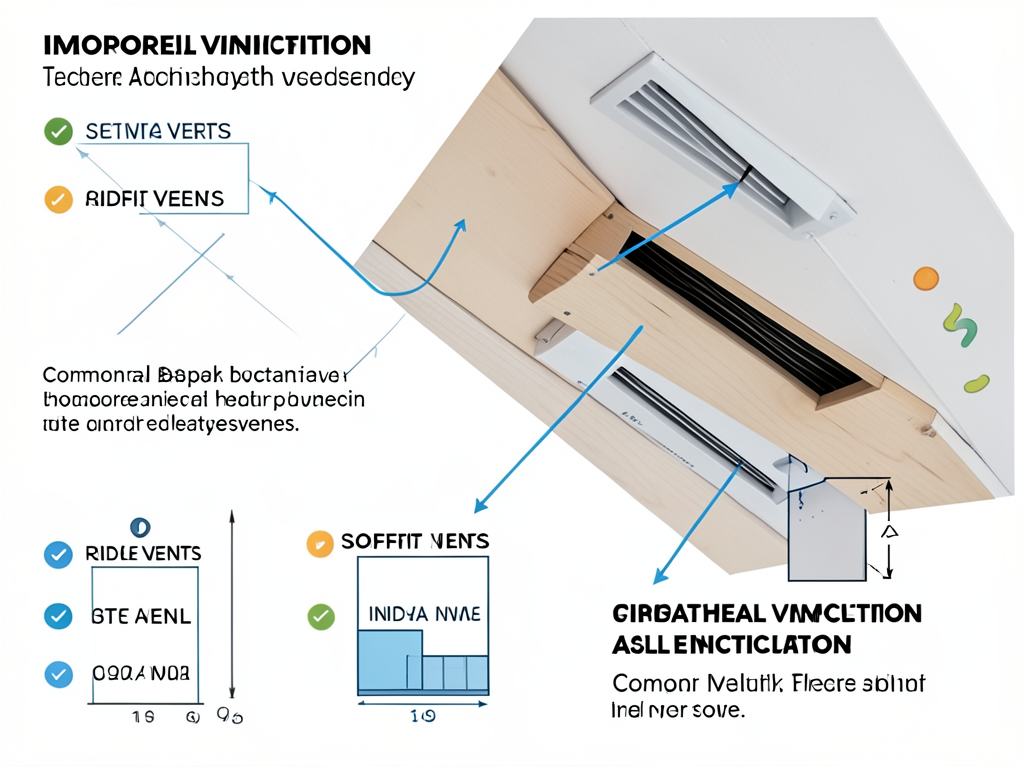
Poor Soffit and Ridge Ventilation – Many older homes in Reading were built with minimal attic venting. Without proper intake at the soffits and exhaust at the ridge, moist air becomes trapped and condenses on cold surfaces. This creates a cycle of dampness that mold spores thrive on.
Thermal Bypasses and Air Leaks – Gaps around light fixtures, plumbing vents, and attic hatches allow warm, humid air from your living space to rise into the attic. In winter, this warm air hits cold roof sheathing and releases moisture as condensation. Over months, this can lead to widespread mold growth.
Improper Bathroom Exhaust – Bathroom fans that vent directly into the attic instead of outdoors dump warm, moist air right where it can do the most damage. In Reading’s cold winters, this is a fast track to attic mold.
Insulation Issues – Inadequate or poorly installed insulation allows heat to escape into the attic, raising the dew point and increasing condensation risk. Conversely, over-insulation that blocks soffit vents can choke off airflow and trap moisture.
Ice Dam Formation – As mentioned earlier, ice dams are a major contributor to attic moisture in Reading. When snow melts and refreezes at the eaves, water can back up under shingles and enter the attic through small gaps, even if the roof surface appears intact.

Why Reading, MA Homes are Susceptible
Reading’s housing stock includes many historic and mid-century homes that were built before modern energy codes and ventilation standards. These homes often have unique vulnerabilities that make them prone to attic mold:
Older Construction Methods – Many Reading homes were built with balloon framing or other techniques that create hidden air pathways between floors. These bypasses allow moist air to travel freely into the attic.
Lack of Vapor Barriers – Pre-1980s homes often lack proper vapor barriers in walls and ceilings, allowing moisture to migrate into the attic more easily.
Small or Non-Existent Eaves – Some historic homes in Reading have minimal eaves, making it difficult to install effective soffit venting without major modifications.
Renovation Work Without Permits – Many homeowners in Reading have made attic modifications over the years without realizing they were creating moisture problems. Adding insulation without sealing air leaks, or installing new bathroom fans without proper venting, can worsen mold risks.
Middlesex County Climate – Reading’s location in Middlesex County means it experiences both cold, wet winters and humid summers. This wide temperature swing creates ideal conditions for condensation and mold growth in attics that aren’t properly sealed and vented.
The Role of Ice Dams in Winter Mold Growth
Ice dams are a seasonal threat to Reading homes, and their impact on attic mold is often underestimated. Here’s how they contribute to moisture problems:
Formation Process – When snow on your roof melts from heat escaping through the attic, the water runs down to the colder eaves and refreezes. This creates a dam that traps additional meltwater.
Water Intrusion Points – As the ice dam grows, water backs up under shingles and can enter the attic through nail penetrations, gaps in flashing, or poorly sealed roof penetrations.
Hidden Damage – Unlike a dramatic roof leak, ice dam water intrusion is often slow and subtle. It may not drip through your ceiling, but instead soak into insulation and wood, creating ideal conditions for mold.
Freeze-Thaw Cycles – Repeated freezing and thawing can cause small gaps to widen over time, making future ice dam problems worse and increasing the risk of mold growth.
Attic Ventilation Impact – Poor attic ventilation makes ice dams worse by allowing heat to build up under the roof. Improving ventilation can both reduce ice dam formation and help dry out any moisture that does enter.
Health Risks and Property Value Impacts
Attic mold isn’t just a structural issue—it can affect your family’s health and your home’s value. Here’s what you need to know:
Indoor Air Quality – Mold spores from the attic can circulate through your home via air leaks, ductwork, or simple air movement. This can trigger allergies, asthma, and other respiratory issues, especially in children and the elderly.
Massachusetts Real Estate Disclosure – Under Massachusetts law, sellers must disclose known mold problems. Untreated attic mold can complicate or delay a home sale, and may require costly remediation before closing.
Structural Damage – Over time, mold can weaken wood framing and sheathing, leading to costly repairs. Early detection and treatment can prevent these more serious problems.
Insurance Considerations – Some insurance companies may raise premiums or deny claims for homes with a history of mold problems. Addressing the root cause can help maintain favorable coverage terms.
Energy Efficiency – Mold often indicates underlying moisture and insulation problems that are also costing you money on heating and cooling. Fixing these issues can improve comfort and reduce utility bills.
Professional Inspection vs. DIY Assessment
While some attic mold signs are obvious, others require professional expertise to identify and address. Here’s how to decide when to call in a Reading-based expert:
DIY Warning Signs – Musty odors, visible staining on ceiling drywall, or fuzzy growth on attic sheathing are all signs you may have a mold problem. However, these symptoms can also indicate other issues like roof leaks or pest infestations.
Professional Tools – Certified mold inspectors use moisture meters, thermal imaging cameras, and air quality tests to identify hidden problems that aren’t visible to the naked eye.
Building Code Compliance – Massachusetts building codes have specific requirements for attic ventilation and insulation. A professional can ensure your remediation work meets these standards.
Health and Safety – Disturbing mold without proper protection can release spores throughout your home. Professionals use containment and HEPA filtration to prevent cross-contamination.
Insurance Documentation – If you need to file an insurance claim, a professional inspection provides the documentation your insurer will require.
Long-Term Solutions – DIY cleaning may remove visible mold, but without addressing the underlying moisture problem, it will likely return. Professionals identify and fix the root causes.
Preventing Attic Mold in Your Reading Home
Prevention is always better than remediation when it comes to attic mold. Here are proven strategies to protect your Reading home:
Improve Ventilation – Ensure your attic has balanced intake and exhaust ventilation. Soffit vents should be clear of insulation, and ridge vents or gable vents should provide adequate exhaust.
Seal Air Leaks – Use spray foam or caulk to seal gaps around plumbing vents, electrical penetrations, and the attic hatch. This prevents warm, moist air from entering the attic.
Proper Insulation – Install insulation to at least R-49 for attics in Massachusetts (Zone 5 climate zone per IECC). Ensure insulation doesn’t block soffit vents.
Correct Bathroom Venting – Make sure all bathroom exhaust fans vent directly outdoors, not into the attic. Use insulated ducting to prevent condensation in the vent pipe.
Regular Inspections – Check your attic seasonally for signs of moisture, mold, or animal activity. Early detection can prevent major problems.
Ice Dam Prevention – Improve attic insulation and ventilation to reduce heat loss through the roof. Consider ice and water shield installation if you’re re-roofing.
Address Roof Issues Promptly – Fix damaged shingles, flashing, or chimney caps as soon as you notice them. Even small gaps can allow moisture entry over time.
When to Call a Professional
Knowing when to call a professional can save you time, money, and health risks. Here are clear indicators that you need expert help: Risks of DIY Water Cleanup.
Large Affected Area – If mold covers more than 10 square feet of attic surface, professional remediation is recommended by the EPA.
Health Symptoms – If family members experience unexplained respiratory issues, headaches, or allergy symptoms that improve when away from home, mold could be the cause.
Structural Concerns – If you notice sagging roof sheathing, soft wood, or other signs of structural damage, immediate professional assessment is critical.
Unknown Source – If you can’t identify the moisture source or if mold keeps returning after cleaning, professional diagnosis is necessary.
Real Estate Transactions – If you’re buying or selling a home in Reading, professional mold inspection provides documentation for negotiations and disclosure requirements.
Insurance Claims – Many insurance companies require professional assessment and documentation for mold-related claims.
Peace of Mind – Even if you’re unsure about the extent of a problem, professional inspection can confirm whether you have an issue and what steps to take next.
Frequently Asked Questions
Can I just clean the mold myself with bleach?
Bleach can kill surface mold but doesn’t address the underlying moisture problem. It also can’t penetrate porous materials like wood where mold roots grow. For small areas, cleaning with detergent and water followed by thorough drying may help, but for larger areas or recurring problems, professional remediation is recommended.. Read more about Why Your Jamaica Plain Water Pipes are Sweating and How to Stop the Drip.
How much does attic mold remediation cost in Reading?
Costs vary widely based on the extent of mold, accessibility of the attic, and required repairs. Simple cleaning of a small area might cost a few hundred dollars, while comprehensive remediation including ventilation improvements could range from $2,000 to $6,000 or more. Most Reading companies offer free inspections to provide accurate estimates.
Will mold come back after remediation?
Mold will return if the underlying moisture problem isn’t fixed. Professional remediation includes identifying and correcting the source of moisture—whether that’s poor ventilation, air leaks, or insulation issues. When these problems are properly addressed, mold typically doesn’t return.
How long does attic mold remediation take?
- Inspection and Assessment
Certified technician evaluates mold extent, moisture sources, and ventilation issues using moisture meters and thermal imaging.
- Containment Setup
Plastic barriers and HEPA air filtration systems isolate the work area to prevent spore spread to living spaces.
- Mold Removal
Affected materials are cleaned or removed using industry-standard methods per IICRC S520 guidelines.
- Moisture Correction
Ventilation improvements, air sealing, and insulation upgrades address the root causes of mold growth.
- Post-Remediation Verification
Final inspection ensures all mold is removed and moisture problems are resolved before completing the job.
Most residential attic mold remediation projects in Reading take 1-3 days, depending on the scope. Simple cleaning might be completed in a single day, while projects requiring structural repairs or major ventilation upgrades could take longer.
Is attic mold covered by homeowners insurance?
Coverage depends on the cause of the mold. If it results from a covered peril like a sudden pipe burst or storm damage, insurance may cover remediation. However, mold from long-term moisture problems or poor maintenance is typically not covered. Check your policy or consult with your insurance agent for specifics. How to handle a sudden sewage backup in your Somerville home.
Conclusion
Attic mold in Reading, MA is rarely caused by dramatic roof leaks. Instead, it’s usually the result of hidden moisture problems that build up over time through poor ventilation, air leaks, and insulation failures. Understanding these causes is the first step toward protecting your home and your family’s health.
If you’re noticing musty odors, visible staining, or fuzzy growth in your attic, don’t wait for the problem to worsen. Professional inspection can identify the true cause of your mold issue and provide targeted solutions that address both the symptoms and the underlying problems.
Call (617) 789-8099 today to schedule your inspection. Our certified technicians understand the unique challenges of New England homes and can provide the comprehensive solutions Reading homeowners need to keep their attics dry, healthy, and mold-free.
Pick up the phone and call (617) 789-8099 before the next storm hits. Don’t let hidden moisture problems compromise your home’s value and your family’s health. We’re ready to help Reading homeowners tackle attic mold the right way—the first time.
Additional Resources
For more information about attic ventilation standards and mold prevention, visit the EPA’s Mold Resources page or consult the Massachusetts State Building Code for current requirements on attic ventilation and insulation.
Local Reading building officials can also provide guidance on permit requirements for attic modifications and remediation work. Contact the Reading Building Department at Town Hall for specific questions about your property.
{
“@context”: “https://schema.org”,
“@type”: “BlogPosting”,
“headline”: “Why Your Reading Attic is Growing Mold Even if the Roof Does Not Leak”,
“description”: “Musty smells in your Reading attic? Discover the hidden causes of mold growth beyond roof leaks—including ice dams, poor ventilation, and insulation failures specific to Massachusetts homes.”,
“wordCount”: 2339,
“datePublished”: “2026-05-24T14:24:00.000Z”,
“dateModified”: “2026-05-24T14:24:00.000Z”,
“inLanguage”: “en-US”,
“mainEntityOfPage”: {
“@type”: “WebPage”,
“@id”: “https://firstchoicewaterdamagerestorationboston.com”
},
“publisher”: {
“@type”: “LocalBusiness”,
“name”: “First Choice Water Damage Restoration Boston”,
“url”: “https://firstchoicewaterdamagerestorationboston.com”
},
“author”: {
“@type”: “Organization”,
“name”: “First Choice Water Damage Restoration Boston”,
“url”: “https://firstchoicewaterdamagerestorationboston.com”
},
“image”: {
“@type”: “ImageObject”,
“url”: “https://firstchoicewaterdamagerestorationboston.com/wp-content/uploads/2026/03/why-your-reading-attic-is-growing-mold-even-if-the-1.png”
}
}
{
“@context”: “https://schema.org”,
“@type”: “LocalBusiness”,
“name”: “First Choice Water Damage Restoration Boston”,
“url”: “https://firstchoicewaterdamagerestorationboston.com”,
“address”: {
“@type”: “PostalAddress”,
“addressLocality”: “Boston”
},
“areaServed”: {
“@type”: “City”,
“name”: “Boston”
}
}
{
“@context”: “https://schema.org”,
“@type”: “FAQPage”,
“mainEntity”: [
{
“@type”: “Question”,
“name”: “Can I just clean the mold myself with bleach?”,
“acceptedAnswer”: {
“@type”: “Answer”,
“text”: “Bleach can kill surface mold but doesn’t address the underlying moisture problem. It also can’t penetrate porous materials like wood where mold roots grow. For small areas, cleaning with detergent and water followed by thorough drying may help, but for larger areas or recurring problems, professional remediation is recommended.”
}
},
{
“@type”: “Question”,
“name”: “How much does attic mold remediation cost in Reading?”,
“acceptedAnswer”: {
“@type”: “Answer”,
“text”: “Costs vary widely based on the extent of mold, accessibility of the attic, and required repairs. Simple cleaning of a small area might cost a few hundred dollars, while comprehensive remediation including ventilation improvements could range from $2,000 to $6,000 or more. Most Reading companies offer free inspections to provide accurate estimates.”
}
},
{
“@type”: “Question”,
“name”: “Will mold come back after remediation?”,
“acceptedAnswer”: {
“@type”: “Answer”,
“text”: “Mold will return if the underlying moisture problem isn’t fixed. Professional remediation includes identifying and correcting the source of moisture—whether that’s poor ventilation, air leaks, or insulation issues. When these problems are properly addressed, mold typically doesn’t return.”
}
},
{
“@type”: “Question”,
“name”: “Is attic mold covered by homeowners insurance?”,
“acceptedAnswer”: {
“@type”: “Answer”,
“text”: “Coverage depends on the cause of the mold. If it results from a covered peril like a sudden pipe burst or storm damage, insurance may cover remediation. However, mold from long-term moisture problems or poor maintenance is typically not covered. Check your policy or consult with your insurance agent for specifics. How to handle a sudden sewage backup in your Somerville home.”
}
}
]
}
{
“@context”: “https://schema.org”,
“@type”: “HowTo”,
“name”: “Attic Mold Remediation Process”,
“step”: [
{
“@type”: “HowToStep”,
“position”: 1,
“name”: “Inspection and Assessment”,
“text”: “Certified technician evaluates mold extent, moisture sources, and ventilation issues using moisture meters and thermal imaging.”
},
{
“@type”: “HowToStep”,
“position”: 2,
“name”: “Containment Setup”,
“text”: “Plastic barriers and HEPA air filtration systems isolate the work area to prevent spore spread to living spaces.”
},
{
“@type”: “HowToStep”,
“position”: 3,
“name”: “Mold Removal”,
“text”: “Affected materials are cleaned or removed using industry-standard methods per IICRC S520 guidelines.”
},
{
“@type”: “HowToStep”,
“position”: 4,
“name”: “Moisture Correction”,
“text”: “Ventilation improvements, air sealing, and insulation upgrades address the root causes of mold growth.”
},
{
“@type”: “HowToStep”,
“position”: 5,
“name”: “Post-Remediation Verification”,
“text”: “Final inspection ensures all mold is removed and moisture problems are resolved before completing the job.”
}
],
“image”: “https://firstchoicewaterdamagerestorationboston.com/wp-content/uploads/2026/03/why-your-reading-attic-is-growing-mold-even-if-the-1.png”
}
{
“@context”: “https://schema.org”,
“@type”: “BreadcrumbList”,
“itemListElement”: [
{
“@type”: “ListItem”,
“position”: 1,
“name”: “Home”,
“item”: “https://firstchoicewaterdamagerestorationboston.com”
},
{
“@type”: “ListItem”,
“position”: 2,
“name”: “Blog”,
“item”: “https://firstchoicewaterdamagerestorationboston.com/blog”
},
{
“@type”: “ListItem”,
“position”: 3,
“name”: “Why Your Reading Attic is Growing Mold Even if the Roof Does Not Leak”
}
]
}
{
“@context”: “https://schema.org”,
“@type”: “Service”,
“serviceType”: “Water Damage Restoration”,
“provider”: {
“@type”: “LocalBusiness”,
“name”: “First Choice Water Damage Restoration Boston”,
“url”: “https://firstchoicewaterdamagerestorationboston.com”
},
“areaServed”: {
“@type”: “City”,
“name”: “Boston”
},
“description”: “Musty smells in your Reading attic? Discover the hidden causes of mold growth beyond roof leaks—including ice dams, poor ventilation, and insulation failures specific to Massachusetts homes.”
}