Menu

Water Mitigation vs Restoration in Boston – Understanding the Critical Difference That Saves Your Property

When water invades your Boston home or business, knowing whether you need mitigation or restoration determines how fast you recover and how much damage becomes permanent. Water mitigation vs restoration represents two distinct phases of recovery, each requiring specific expertise and timing.

Slider Image 1
Slider Image 2
Slider Image 3
Slider Image 4
Slider Image 5
Slider Image 7
Slider Image 8
Slider Image 9
Slider Image 10
Slider Image 11

Why Boston Property Owners Misunderstand Water Damage Response

Boston's coastal humidity and freeze-thaw cycles create a perfect environment for water damage that escalates fast. Most property owners in Beacon Hill, Back Bay, and Dorchester call for help without understanding the difference between water mitigation and restoration. This confusion costs money and allows secondary damage to spread.

Water mitigation stops active damage. When a pipe bursts in your Brownstone during a January cold snap, mitigation crews extract standing water, stabilize the environment, and prevent mold colonization. This happens in the first 24 to 72 hours. Water damage mitigation vs restoration comes down to timing and purpose.

Restoration rebuilds what water destroyed. After mitigation stabilizes your property, restoration teams repair drywall, replace flooring, and reconstruct damaged areas. Water remediation vs restoration often gets confused because both address water damage, but remediation focuses on removing contaminants while restoration focuses on rebuilding structure.

Boston's older housing stock, particularly triple-deckers in Southie and Jamaica Plain, complicates both phases. Galvanized pipes corrode faster in our hard water. Wooden floor joists in century-old buildings absorb moisture differently than modern construction. Mitigation vs reconstruction means understanding these structural nuances before crews start work.

The gap between water cleanup vs water repair represents the critical window where your property either stabilizes or deteriorates. In Boston's humid summers, mold spores activate within 48 hours of water exposure. This makes the distinction between mitigation and restoration more than semantic. It determines whether you face a quick recovery or months of repairs.

Why Boston Property Owners Misunderstand Water Damage Response
How Professional Teams Execute Mitigation and Restoration Phases

How Professional Teams Execute Mitigation and Restoration Phases

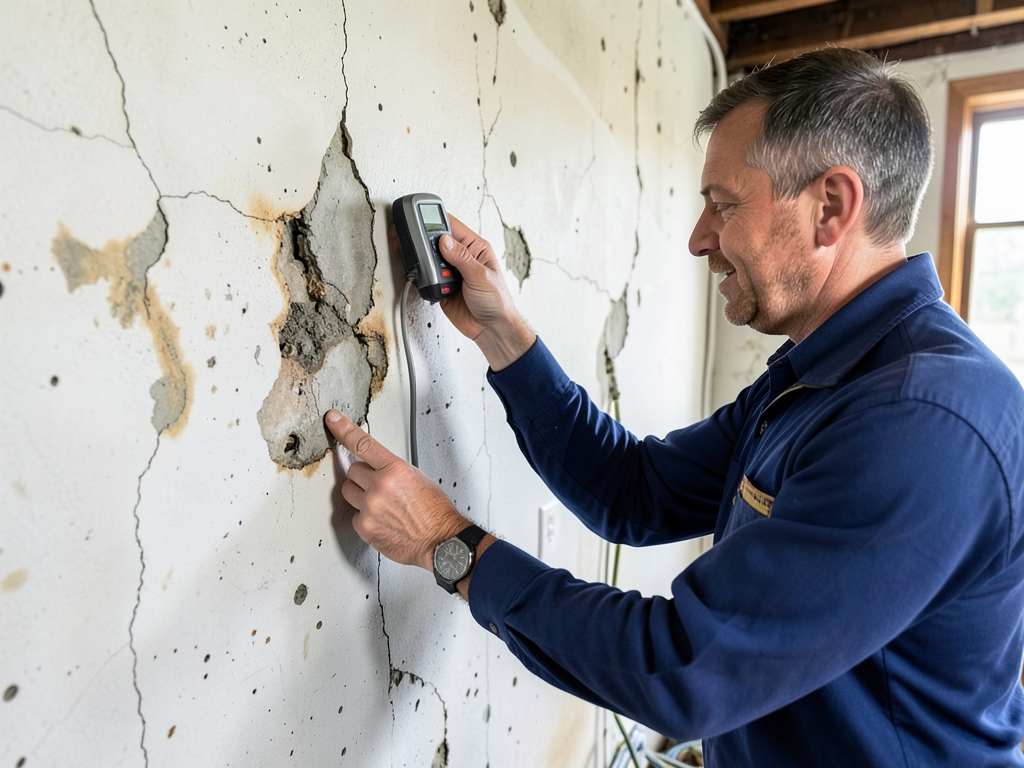
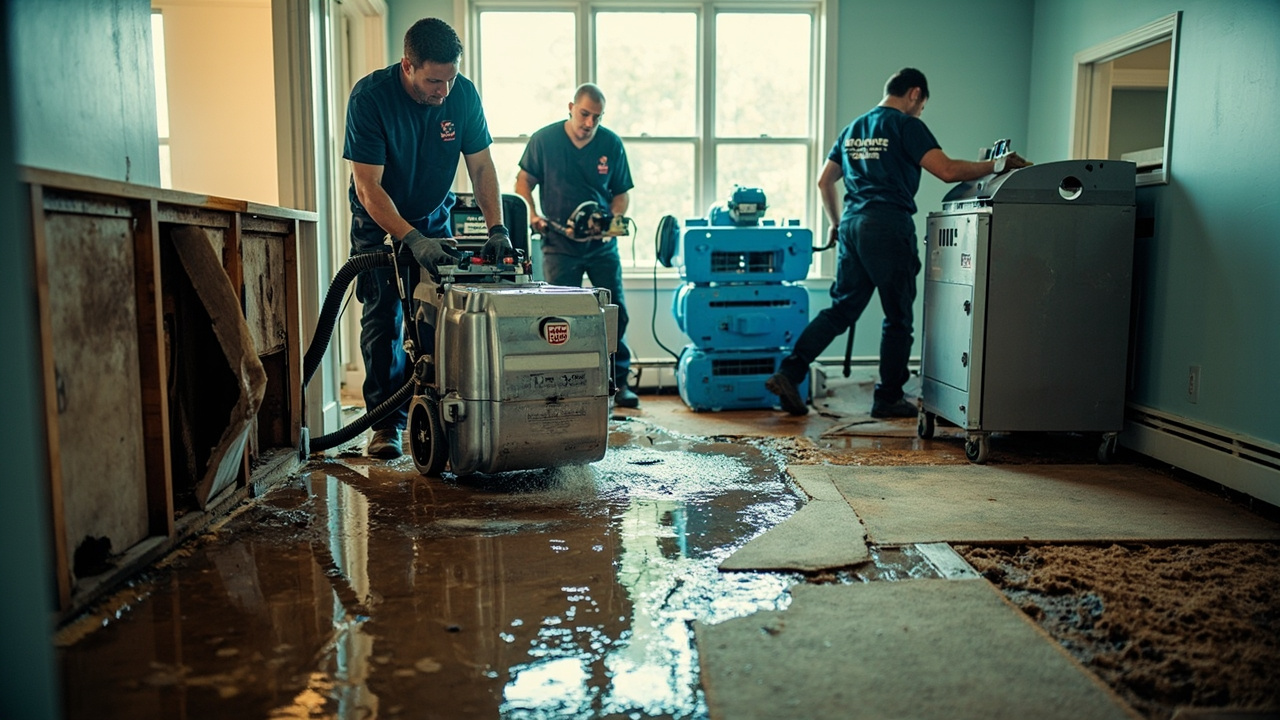
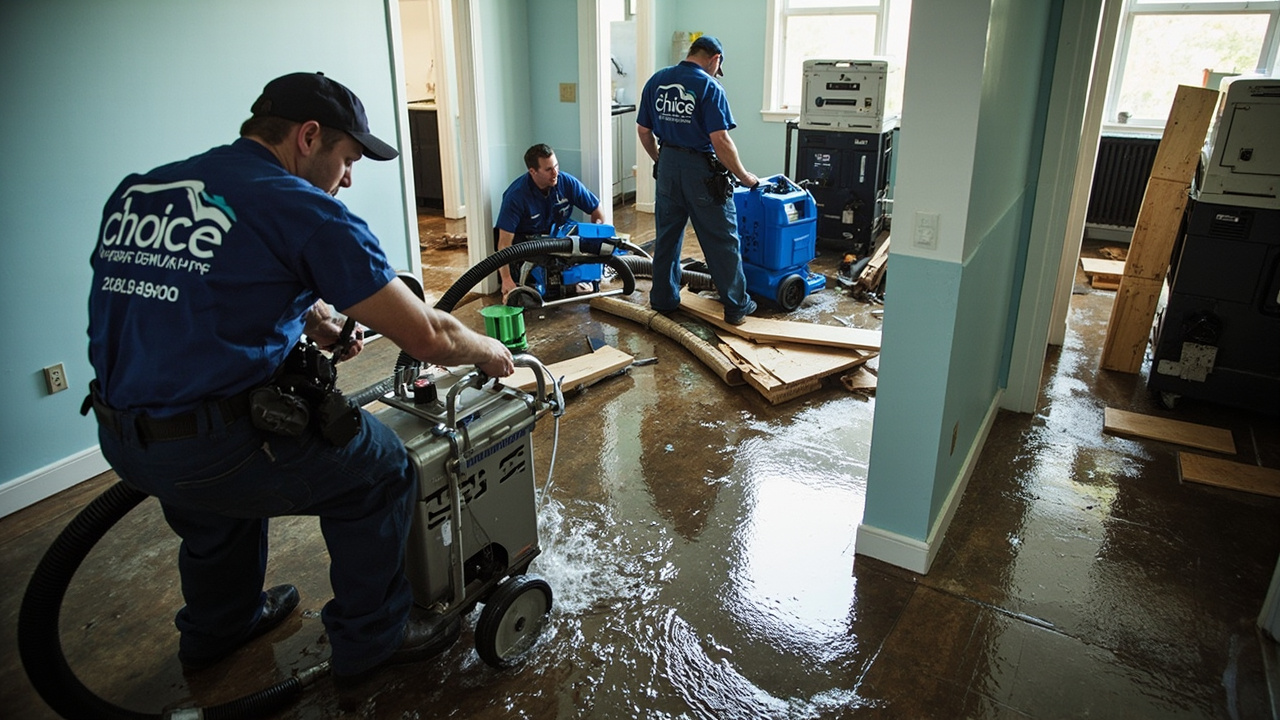
Mitigation starts with moisture mapping using thermal imaging cameras. Technicians identify hidden water in wall cavities and beneath subfloors common in Boston's brick and timber construction. Industrial extractors pull standing water while air movers create controlled airflow to accelerate evaporation. Dehumidifiers maintain relative humidity below 60 percent to prevent microbial growth.

The water damage mitigation vs restoration split becomes visible in documentation requirements. Mitigation teams photograph moisture readings, document equipment placement, and track daily progress for insurance adjusters. This phase typically runs three to seven days depending on water category and affected materials.

Category 1 water from supply lines requires different mitigation protocols than Category 3 sewage backups common in Boston's combined sewer systems during heavy rain events. Technicians follow IICRC S500 standards to determine which materials dry in place and which require removal. Hardwood floors might survive if dried within 48 hours. Carpet padding rarely does.

Restoration begins after moisture levels return to normal ranges verified by hygrometers. Reconstruction crews remove damaged materials documented during mitigation. In Boston homes, this often means careful demolition around historic plaster walls and medallions protected by historical commissions in neighborhoods like Charlestown.

The difference between water mitigation and restoration shows in skill sets. Mitigation technicians understand psychrometry and microbial science. Restoration carpenters know framing codes and finish carpentry. Atlas Water Damage Restoration Providence coordinates both phases so property owners in Boston avoid the coordination headaches and timeline gaps that extend recovery by weeks.

Insurance policies typically separate mitigation and restoration into different claim categories. Understanding this split helps you navigate adjuster conversations and prevents surprise denials when restoration costs exceed initial estimates.

What Happens During Your Water Damage Recovery

Water Mitigation vs Restoration in Boston – Understanding the Critical Difference That Saves Your Property
01

Emergency Damage Control

Within one hour of your call, mitigation crews arrive to stop water at its source and begin extraction. Technicians shut off supply valves, contain affected areas with plastic sheeting, and deploy extraction equipment. In Boston's multi-family buildings, this containment prevents water migration to adjacent units. Moisture meters establish baseline readings that guide the entire mitigation phase and determine when restoration can safely begin.
02

Structural Drying Phase

Air movers and dehumidifiers run continuously for three to seven days while technicians monitor moisture levels twice daily. This phase addresses hidden moisture in wall cavities and subflooring that cause long-term damage if ignored. Boston's brick exterior walls hold moisture longer than wood-frame construction, requiring extended drying times. Antimicrobial treatments prevent mold establishment during this vulnerable period. Documentation continues for insurance claims and establishes the transition point to restoration work.
03

Reconstruction and Restoration

Once moisture readings return to normal, restoration crews rebuild damaged areas to pre-loss condition or better. This includes drywall replacement, flooring installation, paint, and trim work. In Boston's historic properties, this often requires matching original materials and architectural details. Final inspections ensure work meets local building codes and insurance requirements. Property owners receive documentation packages showing the complete scope of mitigation and restoration work for their records and future property transactions.

Why Boston Property Owners Trust Local Water Damage Expertise

Boston's building landscape presents unique challenges that out-of-town restoration companies miss. Our crews understand how water behaves in triple-deckers with balloon framing versus masonry row houses in the South End. We know which downtown buildings still have cast iron drain lines prone to sudden failure and which neighborhoods face chronic flooding during spring snowmelt.

Local building codes in Boston require permits for structural repairs that exceed basic finish work. Teams unfamiliar with Inspectional Services Department protocols create delays that extend your displacement period. We maintain relationships with local code officials and expedite permitting that keeps your project moving.

Insurance adjusters working Boston claims recognize documentation standards that match their requirements. Our mitigation reports include the technical language and photographic evidence that prevent claim disputes. When adjusters question the difference between water mitigation and restoration costs on your estimate, we provide the breakdown that protects your coverage.

Boston's seasonal weather patterns affect project timelines in ways that matter. Winter heating costs during extended drying periods impact project budgets. Summer humidity slows evaporation rates and requires additional dehumidification capacity. We adjust equipment deployment based on current weather conditions, not generic protocols written for other climates.

Access challenges in Boston's dense neighborhoods require local knowledge. Parking restrictions, narrow doorways in historic buildings, and shared building systems in condominiums all affect how we stage equipment and schedule work. Atlas Water Damage Restoration Providence solves these logistical problems because we work in these neighborhoods daily.

Our technicians live in communities we serve. When you call about water damage in Roslindale or East Boston, the crew responding understands your neighborhood's housing stock and common failure points. This local knowledge accelerates diagnosis and prevents the trial-and-error approach that extends recovery timelines and increases costs.

What Your Water Damage Recovery Timeline Looks Like

Emergency Response Speed

Mitigation crews arrive within 60 minutes of your call, 24 hours a day. This rapid response prevents secondary damage that multiplies costs and extends timelines. Boston property owners calling after business hours reach live technicians, not answering services. Equipment trucks carry extraction units, air movers, and dehumidifiers ready for immediate deployment. The difference between a three-day mitigation and a two-week ordeal often comes down to response time in the first few hours after water intrusion begins.

Professional Damage Assessment

Technicians conduct comprehensive moisture surveys using thermal imaging and penetrating moisture meters. This assessment identifies hidden water in wall cavities, ceiling spaces, and subfloor areas invisible to visual inspection. Documentation includes floor plans showing affected areas, moisture readings at multiple locations, and photographic evidence. Insurance adjusters require this documentation to process claims accurately. The assessment also determines water category, which affects both mitigation protocols and restoration scope. Category 3 water requires more aggressive material removal than clean water from supply lines.

Complete Property Restoration

Restoration returns your property to pre-loss condition using materials that match existing finishes. In Boston's historic homes, this means sourcing period-appropriate moldings and matching hardwood species no longer common in modern construction. Skilled carpenters understand how to integrate new framing with existing structures without compromising historical integrity. Paint finishes match existing colors using spectrophotometer analysis. Final walk-throughs ensure every detail meets your expectations before crews demobilize. The goal reaches beyond basic function to complete aesthetic restoration that preserves property value.

Post-Restoration Support

After restoration completes, property owners receive documentation packages including all moisture readings, equipment logs, and photographic timelines showing the complete project scope. This documentation protects you during insurance audits and adds value during future property sales by demonstrating professional remediation. Follow-up moisture checks verify that no hidden moisture remains in building cavities. We provide guidance on preventing future water damage specific to your property's vulnerabilities. If questions arise weeks or months after project completion, our office remains available to address concerns and provide technical support.

Frequently Asked Questions

You Have Questions,
We Have Answers

What is the difference between water mitigation and restoration? +

Water mitigation stops ongoing damage immediately after a flood or leak. Technicians extract standing water, dry out affected areas, and prevent further harm. Restoration comes next. It rebuilds and repairs what the water damaged, like replacing drywall, repainting, or installing new flooring. Think of mitigation as emergency triage and restoration as the surgery. In Boston, where nor'easters and aging infrastructure cause frequent basement floods, mitigation happens within 24 to 48 hours to stop mold growth. Restoration follows once everything dries, often taking days or weeks depending on damage severity.

What does water mitigation mean? +

Water mitigation means reducing or eliminating damage caused by water intrusion. Crews remove standing water using pumps and extractors, then deploy industrial dehumidifiers and air movers to dry structural materials. The goal is stopping mold, rot, and secondary damage before it starts. In Boston's humid summers and cold winters, quick mitigation prevents condensation inside wall cavities and microbial growth on organic materials. Mitigation does not fix or rebuild. It stabilizes the property so restoration crews can assess what needs replacement versus what survives.

What is the difference between remediation and restoration? +

Remediation removes contaminants like mold, sewage, or hazardous materials. It focuses on health and safety. Restoration repairs and rebuilds what was damaged, returning the property to pre-loss condition. After a sewage backup in a Back Bay brownstone, remediation crews remove contaminated materials and sanitize surfaces. Restoration crews then replace flooring and drywall. Remediation addresses the threat. Restoration addresses the cosmetic and structural damage. You often need both after severe water events, especially with Category 3 water containing bacteria or chemicals.

Is water damage restoration worth it? +

Yes, professional water damage restoration protects your property value and prevents hidden problems. DIY drying misses moisture trapped in subfloors, wall cavities, and ceiling joists. In Boston, where many homes have plaster walls and hardwood floors over uninsulated basements, improper drying causes expensive mold remediation later or structural rot. Insurance often covers professional restoration, making it financially sensible. Skipping restoration to save money usually costs more when you discover mold six months later or flooring buckles. Proper restoration prevents long-term issues.

Is mitigation the same as restoration? +

No. Mitigation is the emergency response that stops active damage. Restoration is the rebuilding phase that comes after. Mitigation crews extract water, dry materials, and stabilize the property within 24 to 72 hours. Restoration teams repair or replace damaged materials, repaint, and return your space to normal. In Boston's older housing stock, where triple-deckers and Victorian homes have intricate millwork, restoration often requires matching period details. Mitigation happens fast. Restoration takes time and skilled trades like carpenters, electricians, and plasterers.

Is it hard to sell a house that has had mold remediation? +

Not if you disclose it properly and provide documentation. Massachusetts law requires sellers to disclose known material defects. If you remediated mold professionally and fixed the moisture source, most buyers accept it, especially with certificates and receipts. Problems arise when sellers hide past mold or use unlicensed contractors. In Boston's competitive housing market, transparency builds trust. Buyers want proof the underlying issue got fixed, not just surface treatment. A professional remediation report showing moisture testing and clearance actually reassures buyers the problem is solved.

Does insurance pay for water mitigation? +

Most homeowners policies cover water mitigation if the damage results from a sudden, accidental event like a burst pipe or appliance failure. Gradual leaks or maintenance issues typically are not covered. Mitigation costs less than full restoration, so insurers prefer paying for it quickly to prevent mold and structural damage. In Boston, where frozen pipes rupture during January cold snaps, claims get approved fast. Always document everything with photos and keep receipts. File your claim immediately and ask your mitigation company for direct insurance billing.

Is mitigation good or bad? +

Mitigation is essential and protective. It prevents small water problems from becoming catastrophic. Without mitigation, a minor pipe leak in a South End condo becomes a mold infestation requiring full gut renovation. Mitigation stops damage progression, saves belongings, and reduces total restoration costs. The only downside is the disruption. Crews bring loud equipment and you lose access to affected rooms for days. But that temporary inconvenience prevents permanent structural damage. Mitigation done right within 24 to 48 hours saves you thousands later.

How long should water mitigation take? +

Most mitigation takes three to five days for moderate water damage. Extraction happens in hours. Drying takes longer, depending on humidity, materials, and airflow. In Boston's humid summers, drying basement concrete and wood framing takes longer than in dry climates. Severe flooding or contaminated water extends timelines to seven to ten days. Technicians use moisture meters to confirm materials reach safe levels, typically below 15 percent moisture content for wood. Rushing mitigation causes mold growth later, so trust the monitoring process.

What are the two types of restoration? +

The two main types are structural restoration and contents restoration. Structural restoration repairs the building itself, including framing, drywall, flooring, and electrical systems. Contents restoration salvages and cleans personal belongings like furniture, documents, and electronics using specialized techniques. After a Beacon Hill townhouse floods, structural crews rebuild the kitchen while contents crews clean antique furniture and dry out family photos. Some companies handle both. Others specialize. In Boston, where historic homes contain irreplaceable millwork and antiques, contents restoration requires expertise in delicate materials.

How Boston's Coastal Climate and Aging Infrastructure Complicate Water Damage Response

Boston sits at sea level with high water tables that create chronic moisture pressure on basement foundations. Spring snowmelt combines with coastal storms to overwhelm the city's combined sewer systems, sending water backing up through floor drains in neighborhoods from Roxbury to Brighton. The freeze-thaw cycle stresses supply lines in uninsulated exterior walls common in buildings constructed before modern insulation codes. Understanding water remediation vs restoration matters more in Boston because our climate creates conditions where water damage escalates faster than in drier regions. Salt air accelerates metal corrosion on HVAC systems and plumbing components, creating failure points that manifest during the worst possible times.

Boston's Inspectional Services Department enforces building codes that affect how restoration work proceeds. Projects requiring structural repairs need permits and inspections that delay timelines if not anticipated upfront. Historical districts in Beacon Hill and Back Bay impose additional requirements on exterior work and sometimes interior restoration when properties hold landmark status. Local restoration companies maintain relationships with permitting offices and understand which work requires formal approval. This knowledge prevents the compliance problems that halt projects mid-restoration and create compounding costs. Insurance adjusters working Boston territory recognize local contractors who document work to municipal standards, smoothing the claims process.

Water Damage Restoration Services in The Boston Area

You can see our service area and our location on the map below. We are proud to serve the entire Boston area and surrounding communities. We're always ready to dispatch our team to your home or business, no matter where you are. We’re committed to a fast, reliable response and ensuring we’re always there when you need us most.

Address:
First Choice Water Damage Restoration Boston, 44 School St., Boston, MA, 02108

Additional Services We Offer

Our news updates

Latest Articles & News from The Blogs

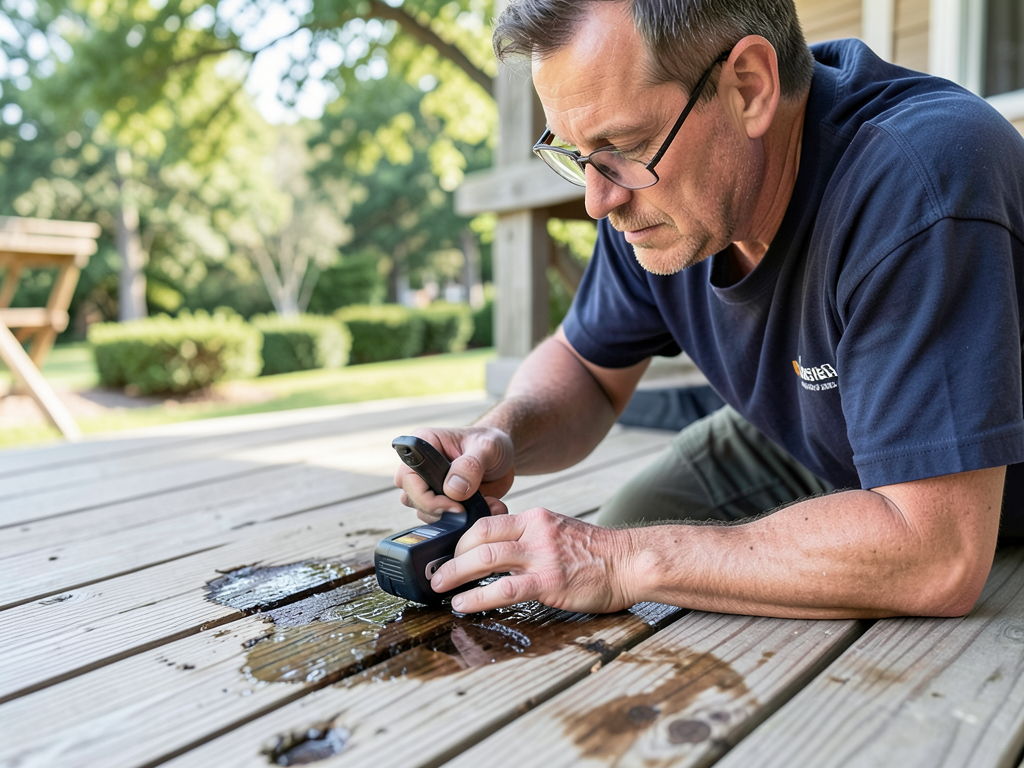
How to Find a Hidden Water Leak Under Your Marblehead Outdoor Deck Living in Marblehead means dealing with coastal moisture,…

How to Find a Hidden Water Leak Under Your Marblehead Outdoor Deck

How to Find a Hidden Water Leak Under Your Marblehead Outdoor Deck Living in Marblehead means dealing with coastal moisture,…

Saving a Luxury Walk In Closet and Designer Wardrobe After a Pipe Burst in Chestnut Hill

When a pipe bursts in your Chestnut Hill home the damage goes far beyond soaked carpets and warped baseboards. For…

Preparing Your Inland Needham Home for Hurricane Season Flooding

Preparing Your Inland Needham Home for Hurricane Season Flooding Living in Needham means enjoying quiet suburban streets and tree-lined neighborhoods.…

Contact Us

Water damage requires immediate professional assessment to determine whether you need mitigation, restoration, or both. Call Atlas Water Damage Restoration Providence now at (617) 789-8099 for a rapid response that stops damage progression and starts your recovery. Our Boston crews respond 24/7 with the expertise to handle both phases correctly.