Menu

High Indoor Humidity Levels in Boston – Expert Diagnosis and Permanent Solutions for Your Home

Our moisture control specialists identify the root cause of high indoor humidity levels in your Boston home and implement targeted dehumidification strategies that prevent mold growth, structural damage, and health problems year-round.

Slider Image 1
Slider Image 2
Slider Image 3
Slider Image 4
Slider Image 5
Slider Image 7
Slider Image 8
Slider Image 9
Slider Image 10
Slider Image 11

Why Boston Homes Struggle with Excessive Indoor Moisture

You walk into your home and the air feels thick. Your windows fog up. You smell something musty in the basement. These are telltale signs of elevated home humidity, and they are not going away on their own.

Boston's coastal climate creates the perfect storm for indoor moisture problems. Summer humidity regularly exceeds 70 percent, and the city's freeze-thaw cycles damage foundations and create entry points for groundwater. Many Boston homes, especially triple-deckers and brownstones in neighborhoods like Dorchester and Jamaica Plain, were built before modern vapor barriers existed. Add poor attic ventilation and aging HVAC systems, and you have high relative humidity indoors that breeds mold and rots wood framing.

Excessive indoor moisture is not just uncomfortable. It warps hardwood floors, peels paint, and creates breeding grounds for dust mites and mold spores. You might notice condensation on windows, damp spots on walls, or a persistent musty odor in closets. Left unchecked, excess humidity in house environments damages insulation, corrodes metal fixtures, and compromises indoor air quality.

The problem is worse in older Boston homes with uninsulated basements. Cold foundation walls meet warm, humid air and create condensation. Poor grading around the property funnels rainwater toward the foundation. Gutters clog with leaves from the city's mature tree canopy, and water overflows directly against your home's exterior. These factors combine to push moisture inside, where it saturates building materials and raises relative humidity to dangerous levels.

You need a diagnostic approach that addresses the source, not a band-aid solution that masks symptoms.

Why Boston Homes Struggle with Excessive Indoor Moisture
How We Solve High Indoor Humidity Problems Permanently

How We Solve High Indoor Humidity Problems Permanently

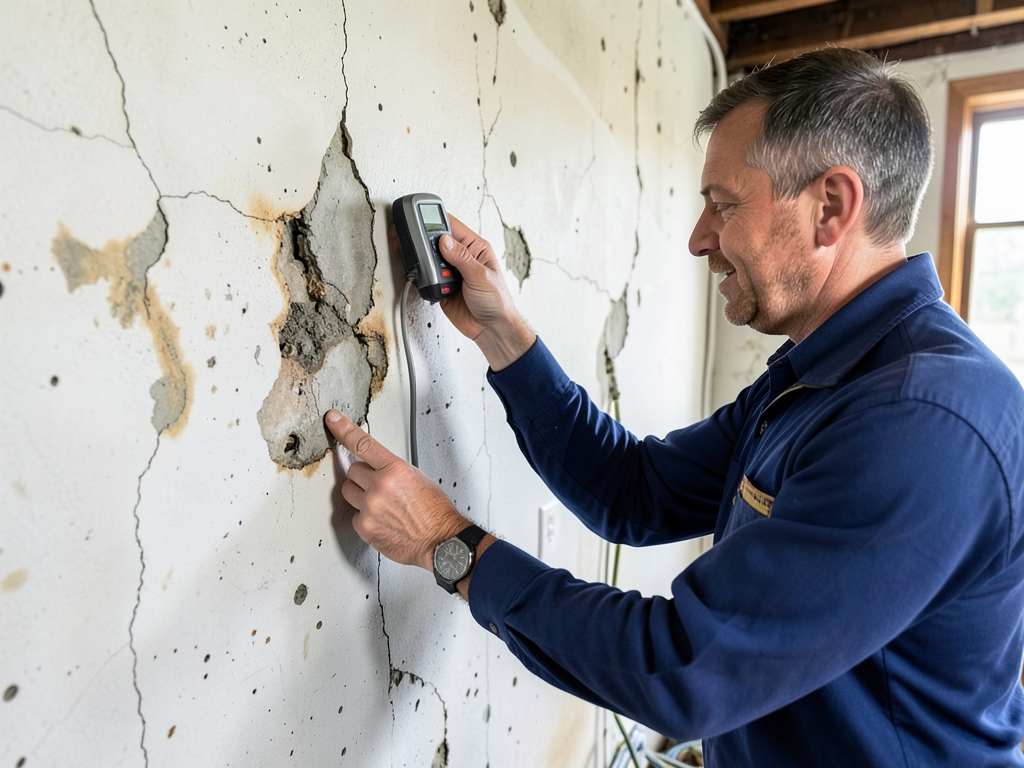
We do not just drop a dehumidifier in your basement and call it fixed. Our process starts with a comprehensive moisture assessment using calibrated hygrometers and thermal imaging cameras. We measure relative humidity in every room, check for hidden moisture in wall cavities, and identify vapor intrusion points in crawlspaces and basements.

Our technicians inspect your home's building envelope for air leaks, failed weatherstripping, and inadequate attic ventilation. We evaluate your HVAC system's capacity to handle latent heat load, which is the moisture removal component separate from temperature control. Many Boston homes have oversized air conditioners that cool too quickly and shut off before removing enough moisture from the air. This short-cycling leaves you with cold, clammy air and elevated humidity.

We assess grading around your foundation, gutter functionality, and basement waterproofing. We check sump pump operation and look for signs of groundwater seepage through foundation walls. In older brick buildings common to Back Bay and Beacon Hill, we examine mortar joints for deterioration that allows water infiltration.

Once we identify all moisture sources, we create a layered mitigation plan. This typically includes sealing foundation cracks with hydraulic cement or polyurethane injection, improving exterior drainage with proper grading and downspout extensions, and installing vapor barriers in crawlspaces. We recommend whole-home dehumidifiers integrated with your HVAC system, not portable units that require constant emptying.

For homes with chronic basement moisture, we install interior drainage systems that channel water to a sump basin before it enters living spaces. We improve attic ventilation with ridge vents and soffit baffles to prevent hot, humid air from being trapped under the roof deck. The goal is to control moisture at the source and maintain indoor relative humidity between 30 and 50 percent year-round.

What Happens During Your Humidity Control Service

High Indoor Humidity Levels in Boston – Expert Diagnosis and Permanent Solutions for Your Home
01

Moisture Mapping and Diagnosis

We arrive with professional-grade moisture meters, hygrometers, and infrared cameras to map humidity levels throughout your home. Our technicians measure ambient humidity in every room, check moisture content in walls and floors, and identify hidden water sources. You receive a detailed assessment showing exactly where moisture is entering and accumulating. This diagnostic phase ensures we address root causes instead of chasing symptoms.
02

Source Elimination and Control

We seal foundation cracks, repair failed flashing, improve drainage, and address ventilation deficiencies. This phase targets the ways moisture enters your home from outside and the conditions that trap it inside. We install vapor barriers in crawlspaces, repair gutter systems, regrade soil away from your foundation, and upgrade attic ventilation. Every intervention is tailored to your home's specific construction and the moisture pathways we identified during diagnosis.
03

Active Dehumidification and Monitoring

We install whole-home dehumidification systems sized for your square footage and humidity load. These units integrate with your HVAC system and operate automatically to maintain optimal indoor humidity. We provide you with digital hygrometers to monitor conditions in real time and schedule follow-up visits to verify performance. You get documentation showing before and after humidity readings, so you can see the measurable improvement in your indoor environment.

Why Boston Homeowners Choose First Choice Water Damage Restoration

Humidity problems in Boston homes require local knowledge. We understand how the city's coastal weather, seasonal temperature swings, and historic building stock create unique moisture challenges. Our technicians have worked in century-old brownstones with no foundation waterproofing, triple-deckers with shared plumbing stacks, and modern condos with HVAC systems that were never designed for Boston's summer humidity.

We know that homes in low-lying areas near the Charles River or Boston Harbor face higher water table levels and flooding risk. We have seen how poorly maintained masonry in older neighborhoods allows water infiltration through brick walls. We understand that many Boston homeowners deal with landlocked properties where grading cannot be improved without affecting neighboring structures.

This local experience matters because generic solutions fail. A dehumidifier alone will not fix groundwater seepage through your foundation. Sealing your basement will not work if your gutters dump water against your house. Upgrading your HVAC will not help if your attic traps humid air against the roof deck. You need a provider who has diagnosed and solved these exact problems in your neighborhood.

First Choice Water Damage Restoration has worked throughout Boston, from Charlestown to West Roxbury, addressing elevated home humidity in buildings of every age and construction type. We are familiar with the city's building codes and understand the limitations older properties face when implementing modern moisture control strategies. Our technicians are trained in both traditional and advanced remediation techniques, so we can adapt our approach to your home's specific needs.

We provide written documentation of our findings, clear explanations of recommended work, and ongoing support after installation. You are not handed off to a call center. You work with the same local team from diagnosis through completion. We stand behind our work because we live and operate in the same community you do.

What to Expect When You Call Us

Fast Response and Flexible Scheduling

We schedule your initial assessment within 48 hours of your call. Our diagnostic visits typically take two to three hours, depending on your home's size and complexity. We work around your schedule, including evenings and weekends, because we know you cannot leave work every time you need a contractor. Emergency moisture situations, like a sudden spike in humidity after a storm or plumbing failure, get same-day response. You will speak directly with our dispatch team, and we provide a two-hour arrival window so you are not waiting around all day.

Thorough Assessment and Clear Recommendations

Our technicians do not rush through your property with a clipboard and a generic checklist. We inspect your basement, crawlspace, attic, and living areas with professional moisture detection equipment. We test your HVAC system's performance, check exterior drainage, and evaluate your home's ventilation. You receive a written report detailing current humidity levels, identified moisture sources, and recommended corrective actions. We explain each recommendation in plain language, including why it matters and what happens if you skip it. There is no pressure and no upselling.

Measurable Results You Can Verify

When we complete moisture control work, you receive before and after humidity readings for every treated area. We install monitoring equipment so you can track indoor conditions in real time. You will notice tangible improvements within days: windows stop fogging, musty odors disappear, and the air feels lighter. We document everything with photos, moisture readings, and equipment specifications. If you are selling your home, this documentation proves you addressed moisture problems correctly and protects you from future liability. Our work passes inspection by home buyers' engineers because we follow industry standards.

Ongoing Support and Preventive Guidance

Moisture control is not a one-time event. We provide maintenance recommendations tailored to your home and check in periodically to ensure systems are functioning correctly. If you have questions six months later about condensation on a window or a musty smell in a closet, you call the same number and talk to someone who knows your property. We offer annual inspections to catch problems before they become expensive repairs. You also receive guidance on simple preventive steps, like adjusting your dehumidifier seasonally or cleaning gutters before fall rains. Our goal is to keep your home dry and healthy long-term.

Frequently Asked Questions

You Have Questions,
We Have Answers

Why is my house 75% humidity? +

Your house hits 75% humidity because moisture sources overwhelm ventilation. Common culprits include poor exhaust fan use in bathrooms and kitchens, basement seepage from Boston's high water table, or HVAC systems that cool without dehumidifying. Older homes in neighborhoods like Dorchester and Jamaica Plain often lack vapor barriers in crawl spaces. Cooking, showering, and even breathing add moisture. If your AC runs constantly but humidity stays high, the system may be oversized or the evaporator coil needs cleaning. Check for leaks around windows, foundation cracks, or condensation on cold surfaces. Address the moisture source first.

Can humidity cause nausea? +

Yes, high humidity can trigger nausea. When indoor air exceeds 60% relative humidity, your body struggles to cool itself through sweat evaporation. This heat stress causes headaches, dizziness, and nausea, especially during Boston's muggy summers. Mold spores thrive above 60% humidity and release mycotoxins that irritate your respiratory system and gut. If you feel nauseous at home but better outside, suspect mold behind walls or under carpets. Poor air quality from trapped moisture also concentrates volatile organic compounds. Pregnant women, children, and those with respiratory conditions are most vulnerable. Reduce humidity below 50% to eliminate symptoms.

What indoor humidity is too high? +

Indoor humidity above 60% is too high. The optimal range is 30% to 50% year-round. Above 60%, mold colonies establish within 48 hours on drywall, wood framing, and fabrics. Dust mites multiply rapidly at 65% humidity, triggering allergies and asthma. Boston homes face extra risk during humid summer months and when basements flood from seasonal groundwater rise. At 70%, wood floors buckle and wallpaper peels. Your HVAC system works harder but cools poorly. You will notice condensation on windows, musty odors, and clammy surfaces. Invest in a quality hygrometer to monitor levels in your basement and main living areas.

Is 70% humidity in a room too high? +

Yes, 70% humidity in a room is dangerously high. Mold growth begins at 60%, and by 70%, you have active colonization. Boston's older housing stock with poor ventilation accelerates the problem. You will see visible condensation on cold surfaces like windows, pipes, and exterior walls. Wood rot begins in hidden cavities behind drywall. Dust mites reach peak population, worsening respiratory problems. Your body cannot cool efficiently, leading to heat exhaustion indoors. The air feels thick and sticky. Run a dehumidifier immediately and identify the moisture source. Check for plumbing leaks, poor attic ventilation, or basement water intrusion through foundation walls.

How do you fix high humidity in your house? +

Fix high humidity by controlling sources and improving ventilation. Run bathroom exhaust fans during showers and for 20 minutes after. Use kitchen range hoods vented outside, not recirculating. Install a whole-home dehumidifier on your HVAC system or use portable units in basements. Seal foundation cracks common in Boston's older homes. Direct downspouts away from the foundation and grade soil to slope outward. Replace single-pane windows that sweat. Insulate cold water pipes to prevent condensation. Run your AC on auto, not constant fan mode. In crawl spaces, install vapor barriers over dirt floors. Address plumbing leaks immediately.

Does opening a window reduce humidity? +

Opening a window reduces humidity only when outside air is drier than inside air. In Boston, this works during cool, dry fall days or winter when heated indoor air holds more moisture than cold outdoor air. During summer, outside humidity often exceeds 70%, so opening windows brings in more moisture. You make the problem worse. The exception is creating cross-ventilation after cooking or showering to exhaust moisture-laden air quickly. Check outdoor humidity levels before opening windows. In spring and summer, rely on AC and dehumidifiers instead. Basements need mechanical dehumidification year-round because below-grade spaces stay damp regardless of outdoor conditions.

Can you get sick if your house is too humid? +

Yes, you can get sick from high indoor humidity. Mold spores trigger allergic reactions, asthma attacks, and respiratory infections. Dust mites thrive above 50% humidity, producing allergens that cause chronic coughing and sinus congestion. Bacteria multiply faster in humid conditions, increasing infection risk. Boston's humid summers combined with poor ventilation create ideal conditions for pathogen growth. You may develop skin rashes, eye irritation, and fatigue. Children and elderly residents face higher risks. Mycotoxins from black mold cause neurological symptoms and immune suppression. If multiple family members feel sick at home but improve when away, test for mold and measure humidity levels immediately.

What are 5 signs of heat-related illness? +

Five signs of heat-related illness include heavy sweating or inability to sweat, rapid pulse, throbbing headache, dizziness or confusion, and nausea or vomiting. High indoor humidity prevents your body from cooling through evaporation. You may experience muscle cramps, weakness, and clammy skin. In severe cases, body temperature rises above 103 degrees. Boston homes without AC during heat waves become dangerous when humidity exceeds 60%. Elderly residents and those with heart conditions are most vulnerable. If you stop sweating but remain hot, seek medical help immediately. Heat exhaustion progresses to heat stroke quickly. Reduce indoor humidity and move to a cooler environment.

What are the symptoms of too much humidity? +

Symptoms of excess humidity include sticky skin, difficulty breathing, fatigue, headaches, and poor sleep quality. You will notice condensation on windows, musty odors, and visible mold spots on walls or ceilings. Allergies worsen with constant sneezing, watery eyes, and congestion. Wood floors feel damp and may buckle. Paint peels and wallpaper lifts at edges. Boston homes often show these signs in basements first, then spread upward. Your AC runs constantly but fails to cool effectively. You may develop skin irritation or rashes. Books and papers feel damp. Electronics malfunction from moisture exposure. Install a hygrometer to confirm levels exceed 60%.

What is dangerously humid indoors? +

Indoor humidity becomes dangerous above 70%. At this level, mold grows rapidly, dust mites reach peak populations, and heat stress becomes a medical concern. Boston homes hit dangerous levels during summer without proper dehumidification or when basements flood from the high water table. Above 75%, wood framing begins rotting and structural damage accelerates. Your body cannot regulate temperature, leading to heat exhaustion even at moderate temperatures. Respiratory distress increases as mold spores and bacteria proliferate. Electronics corrode and fail. Immediate intervention is required. Run dehumidifiers, fix moisture sources, and improve ventilation. Prolonged exposure causes permanent health effects and costly structural repairs.

Why Boston's Coastal Climate Makes High Indoor Humidity Levels a Year-Round Threat

Boston sits on a peninsula surrounded by water, which keeps humidity levels elevated throughout the year. Summer dew points regularly hit 65 to 70 degrees, creating muggy conditions that overwhelm air conditioning systems not designed for high latent heat loads. Winter brings rapid freeze-thaw cycles that crack foundations and allow groundwater infiltration. Spring nor'easters dump heavy rain that saturates soil and pushes moisture through basement walls. The city's mature tree canopy, while beautiful, sheds massive amounts of leaves that clog gutters and trap moisture against rooflines. Older neighborhoods with brick and masonry construction face additional challenges, as deteriorating mortar joints allow water infiltration that increases indoor moisture levels. These conditions make excess humidity in house environments a persistent problem that requires location-specific solutions.

Addressing elevated home humidity in Boston requires familiarity with the city's diverse housing stock and building practices. Many triple-deckers and row houses share common walls and plumbing systems, which complicates moisture control. Historic districts have strict exterior modification rules that limit drainage improvements. Condominiums require coordination with building management and adherence to association regulations. First Choice Water Damage Restoration understands these local constraints and works within them to deliver effective solutions. Our technicians are trained in both modern moisture control techniques and traditional methods appropriate for older construction. We have relationships with local building inspectors and understand permitting requirements for foundation work and drainage modifications. When you hire a local provider, you get someone who knows how to navigate Boston's unique challenges.

Water Damage Restoration Services in The Boston Area

You can see our service area and our location on the map below. We are proud to serve the entire Boston area and surrounding communities. We're always ready to dispatch our team to your home or business, no matter where you are. We’re committed to a fast, reliable response and ensuring we’re always there when you need us most.

Address:
First Choice Water Damage Restoration Boston, 44 School St., Boston, MA, 02108

Additional Services We Offer

Our news updates

Latest Articles & News from The Blogs

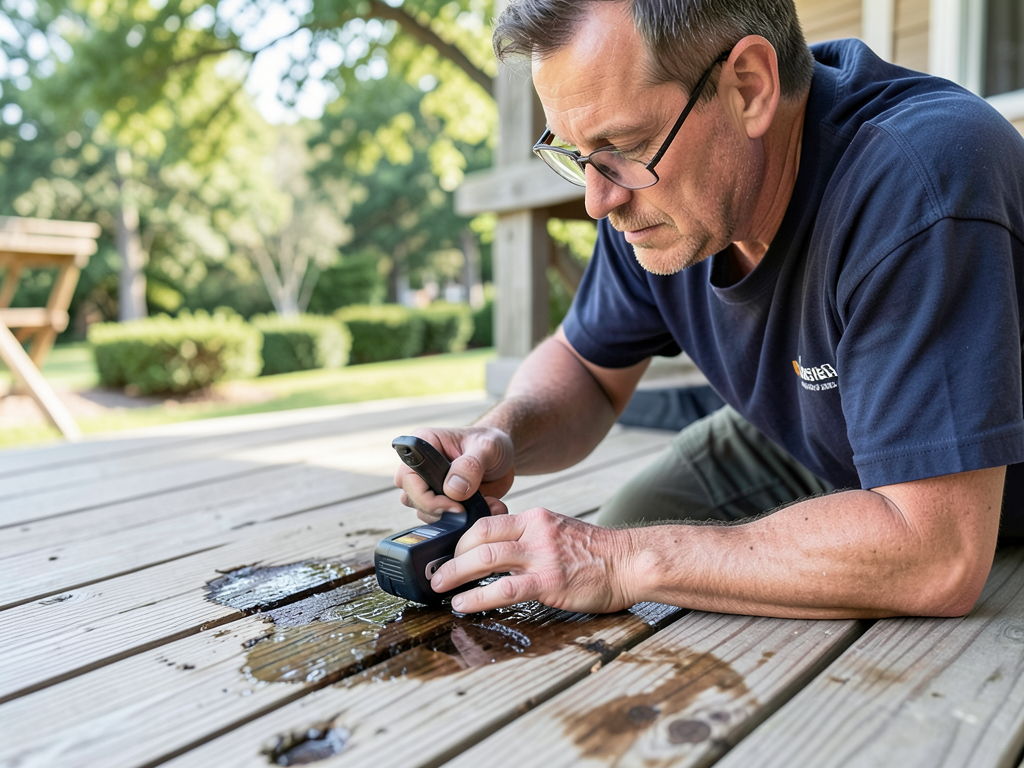
How to Find a Hidden Water Leak Under Your Marblehead Outdoor Deck Living in Marblehead means dealing with coastal moisture,…

How to Find a Hidden Water Leak Under Your Marblehead Outdoor Deck

How to Find a Hidden Water Leak Under Your Marblehead Outdoor Deck Living in Marblehead means dealing with coastal moisture,…

Saving a Luxury Walk In Closet and Designer Wardrobe After a Pipe Burst in Chestnut Hill

When a pipe bursts in your Chestnut Hill home the damage goes far beyond soaked carpets and warped baseboards. For…

Preparing Your Inland Needham Home for Hurricane Season Flooding

Preparing Your Inland Needham Home for Hurricane Season Flooding Living in Needham means enjoying quiet suburban streets and tree-lined neighborhoods.…

Contact Us

High indoor humidity damages your home and your health. Call First Choice Water Damage Restoration at (617) 789-8099 today for a professional moisture assessment. We will identify the source of your humidity problem and fix it correctly the first time.