Menu

Emergency Dehumidifier Rental in Boston – Industrial Equipment Delivered in Under 2 Hours

When water damage strikes your Boston property, waiting is not an option. Atlas Water Damage Restoration Providence deploys commercial-grade dehumidifiers and industrial drying equipment 24/7 to stop mold growth, prevent structural damage, and protect your investment before it's too late.

Slider Image 1
Slider Image 2
Slider Image 3
Slider Image 4
Slider Image 5
Slider Image 7
Slider Image 8
Slider Image 9
Slider Image 10
Slider Image 11

Why Boston Properties Need Emergency Dehumidifier Access Now

Boston's coastal climate creates a perfect storm for water damage disasters. High humidity levels from the Atlantic combine with sudden nor'easters, aging brick row homes in Back Bay, and outdated plumbing in Beacon Hill properties to create moisture nightmares that escalate fast.

You have a 24 to 48 hour window before mold colonies establish. After that, you're looking at remediation costs that triple and structural damage that insurance may dispute. The longer water sits in your South End condo or Dorchester triple-decker, the deeper it penetrates subflooring, drywall cavities, and load-bearing timbers.

Standard box-store dehumidifiers pull maybe 50 pints per day. They cannot handle flood conditions or commercial-scale water intrusion. You need industrial dehumidifier equipment rated for 150 to 300 pints daily, with refrigerant or desiccant technology matched to your specific humidity levels and temperature conditions.

Burst pipes in February freeze-thaw cycles demand different commercial drying equipment than July basement seepage from storm surge flooding near the Harbor. A 24 hour dehumidifier rental service means you get the right capacity delivered immediately, not when a big-box store opens tomorrow morning.

The difference between emergency response and waiting until business hours is the difference between drying out your property and gutting it to the studs. Boston properties, with their dense construction and limited ventilation in older buildings, trap moisture like a sponge. Stop the damage now or pay exponentially more later.

Why Boston Properties Need Emergency Dehumidifier Access Now
How Professional Dehumidifier Deployment Stops Damage Progression

How Professional Dehumidifier Deployment Stops Damage Progression

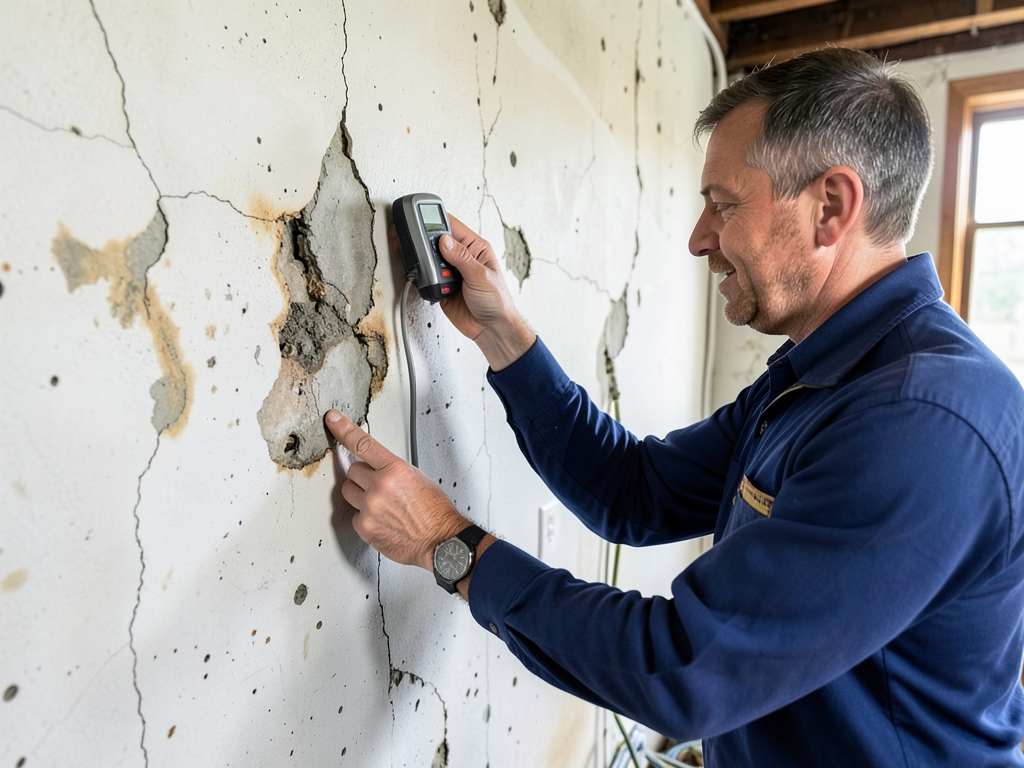
We do not drop off equipment and disappear. Atlas Water Damage Restoration Providence conducts a psychrometric assessment using thermal imaging cameras and moisture meters to map exactly where water has traveled through your structure. Water follows gravity and capillary action into places you cannot see.

We calculate the grain depression required to achieve your target drying standard, typically 12% moisture content or lower for wood framing and subflooring. Then we match dehumidifier class and capacity to your cubic footage and water class rating. A clean water supply line break (Class 1) requires different equipment than a sewage backup (Class 3) or a flooded basement with porous concrete (Class 4).

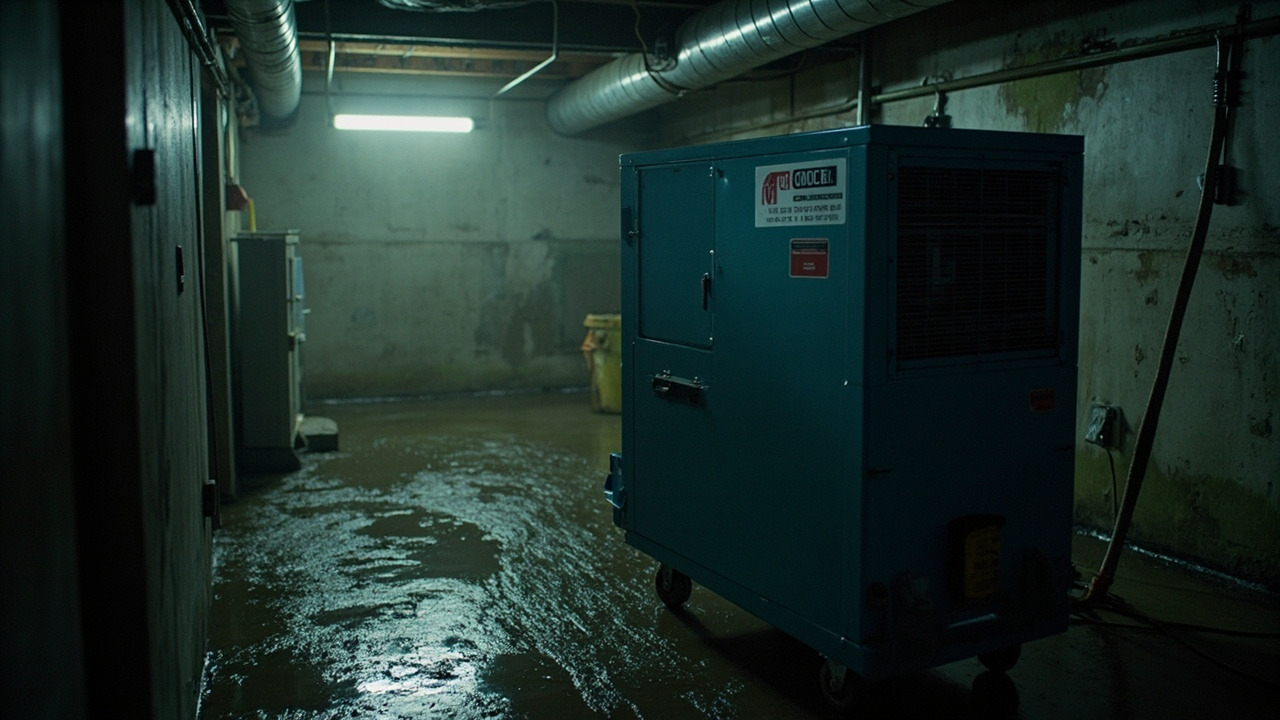
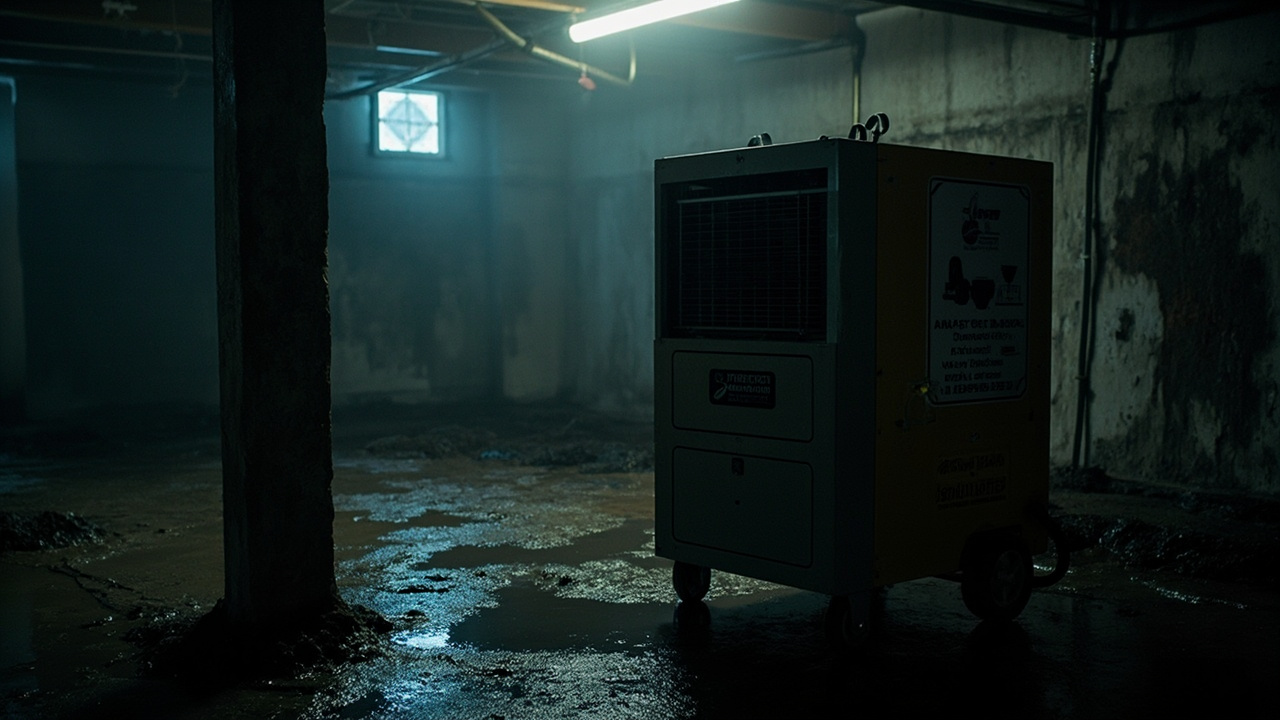
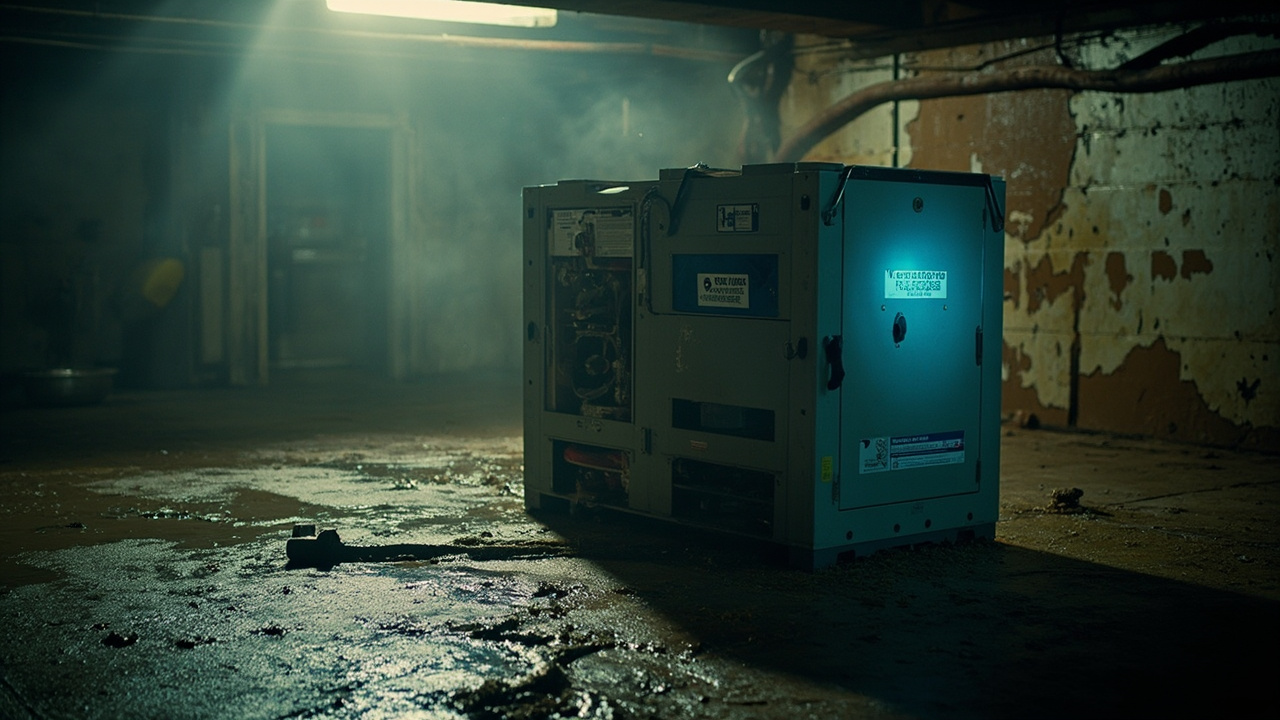
Our commercial dehumidifier rental fleet includes low-grain refrigerant (LGR) units that pull moisture down to 35% relative humidity, desiccant models for cold-weather applications below 60 degrees, and high-capacity units for warehouses or multi-unit buildings. We pair dehumidifiers with air movers in a strategic airflow pattern to maximize evaporation rates without spreading contaminants.

We monitor daily moisture readings and adjust equipment placement as drying progresses. Walls dry from the outside in. Ceilings dry slower than floors. Insulation holds water longer than drywall. We know where to look and when to escalate or scale back equipment.

Insurance companies require documentation. We provide moisture logs, equipment manifests, and psychrometric calculations that satisfy adjuster requirements and protect your claim. You get professional-grade flood dehumidifier rental service with the data trail to back it up, not a handshake and a bill.

What Happens When You Call for Emergency Equipment

Emergency Dehumidifier Rental in Boston – Industrial Equipment Delivered in Under 2 Hours
01

Immediate Assessment and Dispatch

The moment you call, we evaluate your water source, affected square footage, and property type. We dispatch a truck with industrial dehumidifiers, air movers, and moisture detection tools within 90 minutes. Our technicians arrive with multiple equipment options because we do not know exactly what you need until we measure conditions onsite. Speed matters, but precision matters more.
02

Equipment Staging and Placement

We position commercial drying equipment based on airflow dynamics and moisture concentration zones. Dehumidifiers go in central locations with cleared intake and exhaust paths. Air movers create a vortex that pushes saturated air into dehumidifier intake. We seal off unaffected areas to concentrate drying energy where you need it. Every placement decision is calculated, not random. You see results within hours, not days.
03

Monitoring and Equipment Adjustment

We return daily to take fresh moisture readings and document drying progress. As materials release water, we adjust dehumidifier settings and air mover angles to target remaining wet zones. When readings hit acceptable levels across three consecutive days, we remove equipment and provide final documentation for your insurance claim. You get a dry property and a paper trail that closes your claim fast.

Why Boston Properties Require Local Water Damage Expertise

Boston's building stock is not uniform. A brick triple-decker in Charlestown dries differently than a wood-frame colonial in Jamaica Plain or a concrete high-rise in the Seaport District. We know these construction methods because we work them daily.

Older neighborhoods like the North End have century-old masonry that wicks water through mortar joints into adjacent units. You cannot dry one condo without addressing shared walls. South Boston properties near the waterfront face chronic groundwater infiltration that demands continuous dehumidification during storm seasons. We understand these hyperlocal conditions because we live and work here.

Massachusetts building codes and insurance requirements are specific. Adjusters expect moisture documentation that meets IICRC S500 drying standards. We provide psychrometric data, thermal images, and daily logs formatted exactly how insurance companies require them. You do not get claim denials because of missing paperwork.

Our commercial dehumidifier rental inventory includes equipment sized for everything from a 500-square-foot South End studio to a 50,000-square-foot Allston warehouse. We do not send residential equipment to commercial jobs or overcharge homeowners for industrial capacity they do not need. You get right-sized solutions based on actual cubic footage and water class rating.

We also understand that Boston winters complicate drying. When exterior temperatures drop below freezing, refrigerant dehumidifiers lose efficiency. We switch to desiccant technology that works in cold conditions. We know when to heat the space first and when to extract water before applying drying equipment. Local knowledge prevents wasted time and failed drying attempts.

What to Expect from Professional Emergency Equipment Service

Rapid Deployment Anywhere in Boston

We commit to 90-minute response times for emergency dehumidifier rental requests across Boston, Cambridge, Somerville, Brookline, and surrounding communities. Our trucks stage equipment throughout the metro area so we reach you fast regardless of traffic or time of day. You call, we roll. We do not make you wait until morning or schedule you three days out. Water damage does not pause for business hours, and neither do we. Every minute counts when moisture is spreading through your property.

Comprehensive Moisture Assessment

We do not guess at equipment needs. Our technicians use thermal imaging cameras to identify hidden moisture in wall cavities, under flooring, and above ceilings. Moisture meters provide exact readings in wood, drywall, and concrete. We calculate cubic footage, measure relative humidity and temperature, and determine grain depression targets before deploying equipment. You get a written assessment that explains what we found, why we chose specific equipment, and what drying timeline to expect. No surprises, no upselling, just data-driven decisions.

Documented Drying Results

Insurance companies demand proof that your property returned to pre-loss moisture levels. We provide daily moisture logs, equipment runtime reports, and psychrometric calculations that satisfy adjuster requirements. Every reading is timestamped and mapped to specific locations in your property. When drying completes, you receive a final report showing before-and-after moisture content across all affected materials. This documentation protects your claim and proves you took immediate, professional action to mitigate damage. Your adjuster gets exactly what they need to approve your claim.

Post-Drying Verification and Support

We do not pull equipment the moment readings drop. We verify drying across three consecutive days to confirm moisture levels stabilized and will not rebound after we leave. If readings spike, we investigate why and address the source before removing equipment. After equipment pickup, we remain available to answer adjuster questions, provide additional documentation, or return for verification readings if your insurance company requests them. You get support through claim closure, not just equipment rental. We stay involved until your property is fully restored and your claim is settled.

Frequently Asked Questions

You Have Questions,
We Have Answers

Is it possible to rent a dehumidifier? +

Yes, you can rent industrial-grade dehumidifiers. This is the fastest way to control moisture after a flood, burst pipe, or water damage in Boston. Rental units remove significantly more water than consumer models, which matters in humid Northeast conditions. Professional restoration companies provide 24/7 emergency rentals with delivery, setup, and monitoring included. For homeowners dealing with basement flooding or sewage backups, renting commercial equipment stops mold growth fast. You get the power you need without buying expensive equipment you will only use once.

Is it worth renting a dehumidifier? +

Yes, renting is worth it during water emergencies. Boston's humid climate accelerates mold growth within 24 to 48 hours after water damage. Industrial dehumidifiers extract moisture faster than store-bought units, preventing secondary damage to walls, floors, and furniture. You avoid the upfront cost of buying commercial equipment. Rental companies handle delivery, setup, and removal. Insurance often covers emergency equipment rentals, making this a cost-effective solution. For one-time flooding events or while repairs are underway, renting gives you professional-grade drying power when you need it most.

Can you rent a dehumidifier from Home Depot? +

Home Depot offers residential dehumidifier rentals, but these are consumer-grade units. They work for minor dampness but lack the capacity for serious water damage in Boston homes. After flooding or pipe bursts, you need commercial desiccant or refrigerant dehumidifiers that remove hundreds of pints per day. Big-box store rentals typically max out at 50 to 70 pints daily. For emergency water damage, contact a professional restoration company that provides industrial equipment, moisture monitoring, and 24/7 support. Speed matters when preventing mold in humid New England conditions.

How much to hire a dehumidifier for a week? +

Weekly rental costs vary based on unit size and capacity. Expect charges to reflect commercial-grade equipment capable of removing 150 to 300 pints daily. Boston restoration companies often bundle dehumidifier rentals with air movers and moisture monitoring services. Insurance typically covers emergency equipment rentals after covered water damage events like burst pipes or storm flooding. For accurate pricing, contact local restoration professionals who can assess your specific situation. They will calculate the number of units needed based on square footage, water saturation levels, and humidity readings in your home.

Will mold grow in 60% humidity? +

Yes, mold can grow at 60% humidity. Ideal indoor humidity should stay between 30% and 50%. Boston's naturally humid climate makes moisture control harder, especially in basements and crawl spaces. Once humidity exceeds 55%, mold spores activate and begin colonizing damp surfaces within 24 to 48 hours. After water damage, you must drop humidity below 50% quickly. Porous materials like drywall, insulation, and wood absorb moisture fast. If you notice condensation, musty odors, or visible dampness, you need immediate dehumidification to prevent mold infestations.

What can I use instead of a dehumidifier? +

Nothing matches a dehumidifier for serious water damage. Small household fixes like fans, open windows, or desiccants like baking soda cannot remove enough moisture after flooding. Boston's humid air makes natural evaporation slow and unreliable. Air movers help circulate air but do not extract water vapor. For minor dampness, increasing ventilation or running exhaust fans provides temporary relief. However, after pipe bursts, basement floods, or storm damage, only industrial dehumidifiers remove moisture fast enough to prevent mold growth. Do not risk secondary damage by using inadequate methods during emergencies.

Is 70% humidity too high for a house? +

Yes, 70% humidity is dangerously high indoors. This level guarantees mold growth, wood rot, and structural damage in Boston homes. You will notice condensation on windows, musty odors, and peeling paint. Health risks include respiratory problems and allergic reactions. After water damage, humidity often spikes above 70%, creating perfect conditions for mold colonization within 24 hours. You must drop levels below 50% immediately using commercial dehumidifiers. Prolonged high humidity warps floors, damages furniture, and compromises building materials. Act fast to prevent thousands in secondary damage costs.

How long does it take for a dehumidifier to dry out a room? +

Drying time depends on saturation level, room size, and equipment capacity. Industrial dehumidifiers typically drop humidity to safe levels within 24 to 72 hours in Boston homes. A small room with minor dampness may dry in 12 to 24 hours. Severe flooding with saturated drywall and insulation takes three to five days. Professional restoration teams use moisture meters to track progress and adjust equipment placement. Do not turn off dehumidifiers too early. Hidden moisture in wall cavities or subfloors causes mold growth weeks later. Complete structural drying prevents long-term damage.

Does a dehumidifier help with mold? +

Yes, dehumidifiers help prevent mold by removing moisture mold needs to grow. However, dehumidifiers do not kill existing mold. If you already see mold growth after water damage in Boston, you need professional remediation. Dehumidifiers work best immediately after flooding or leaks, dropping humidity below 50% before mold spores activate. Use them alongside air movers and fans to create airflow that prevents mold colonization. For basements, crawl spaces, or areas with chronic dampness, dehumidifiers control conditions that allow mold to thrive in New England's humid climate.

How much does it cost to run a dehumidifier for 1 hour? +

Hourly costs depend on unit size and local electricity rates. Boston's average rate runs about 24 to 28 cents per kilowatt-hour. Small residential dehumidifiers use 300 to 500 watts, costing roughly 10 to 15 cents per hour. Commercial units draw 1,000 to 2,000 watts, costing 25 to 55 cents hourly. Running a large industrial dehumidifier for 24 hours costs approximately six to thirteen dollars daily. During water damage emergencies, focus on speed over cost. Delaying drying to save electricity money results in thousands in mold remediation and structural repairs later.

How Boston's Coastal Humidity Accelerates Water Damage Timelines

Boston sits on a peninsula surrounded by water, creating baseline humidity levels that hover between 60% and 80% year-round. When water intrusion adds moisture load on top of already-humid air, drying becomes exponentially harder. Mold spores that take 72 hours to germinate in dry climates can establish colonies in 24 hours here. The Harbor's salt air also accelerates corrosion in metal components, HVAC systems, and electrical panels exposed to water. You cannot use the same drying protocols here that work in arid climates. Boston demands aggressive dehumidification with industrial equipment designed for high-moisture environments, not consumer-grade units that struggle to pull humidity below 50%. Every hour you wait, the damage compounds faster than in drier regions.

Atlas Water Damage Restoration Providence has worked Boston properties for years, giving us deep familiarity with neighborhood-specific challenges. We know which Fenway basements flood during heavy rain, which Back Bay buildings have aging cast-iron waste stacks prone to failure, and which Allston triple-deckers lack proper vapor barriers. We also understand Massachusetts insurance claim procedures and work directly with adjusters from carriers that dominate the Boston market. When you hire local water damage professionals, you get crews who understand your building type, your neighborhood's quirks, and your insurance company's documentation requirements. You avoid the learning curve that comes with out-of-state restoration companies unfamiliar with Boston construction methods and local building codes.
Water Damage Restoration Services in The Boston Area

You can see our service area and our location on the map below. We are proud to serve the entire Boston area and surrounding communities. We're always ready to dispatch our team to your home or business, no matter where you are. We’re committed to a fast, reliable response and ensuring we’re always there when you need us most.

Address:
First Choice Water Damage Restoration Boston, 44 School St., Boston, MA, 02108

Additional Services We Offer

Our news updates

Latest Articles & News from The Blogs

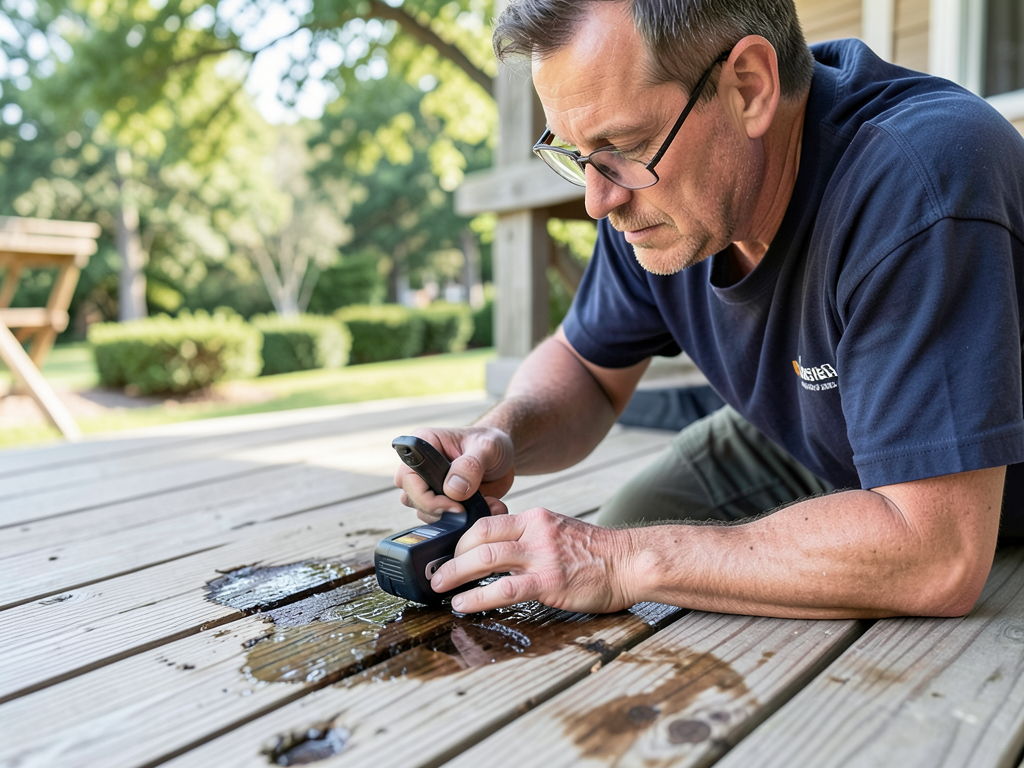
How to Find a Hidden Water Leak Under Your Marblehead Outdoor Deck Living in Marblehead means dealing with coastal moisture,…

How to Find a Hidden Water Leak Under Your Marblehead Outdoor Deck

How to Find a Hidden Water Leak Under Your Marblehead Outdoor Deck Living in Marblehead means dealing with coastal moisture,…

Saving a Luxury Walk In Closet and Designer Wardrobe After a Pipe Burst in Chestnut Hill

When a pipe bursts in your Chestnut Hill home the damage goes far beyond soaked carpets and warped baseboards. For…

Preparing Your Inland Needham Home for Hurricane Season Flooding

Preparing Your Inland Needham Home for Hurricane Season Flooding Living in Needham means enjoying quiet suburban streets and tree-lined neighborhoods.…

Contact Us

Call Atlas Water Damage Restoration Providence now at (617) 789-8099 for immediate emergency dehumidifier rental and deployment. We answer 24/7, dispatch within 90 minutes, and bring industrial drying equipment to your Boston property today. Do not wait for mold to take hold.