Menu

Carpet Water Extraction in Boston – Fast Response When Flooding Strikes Your Home or Business

Atlas Water Damage Restoration Providence delivers immediate carpet water extraction across Boston neighborhoods, using truck-mounted systems and rapid drying protocols to prevent mold, structural damage, and total carpet loss after flooding or pipe breaks.

Slider Image 1
Slider Image 2
Slider Image 3
Slider Image 4
Slider Image 5
Slider Image 7
Slider Image 8
Slider Image 9
Slider Image 10
Slider Image 11

Why Boston Carpet Flooding Requires Immediate Professional Extraction

Boston's freeze-thaw cycles create relentless stress on plumbing systems. When temperatures drop below freezing in January and February, then spike back into the 40s, pipes expand and contract. This cycle causes hairline cracks that turn into full ruptures, flooding basements and first floors across neighborhoods like Dorchester, Jamaica Plain, and Charlestown.

Old triple-deckers and brownstones in the South End and Back Bay often have original cast iron and galvanized steel pipes. These materials corrode over decades, and when they fail, they dump hundreds of gallons into carpet and padding before you even notice. Wet carpet extraction becomes urgent because Boston's humidity levels, which average 65% year-round, accelerate mold colonization. You have 24 to 48 hours before spores take hold in saturated fibers and subfloors.

Storm surges from nor'easters compound the problem. When heavy rain overwhelms aging combined sewer systems in older Boston neighborhoods, basement backup floods carpets with contaminated water. This is not clean water from a supply line. This is category three blackwater carrying bacteria, sewage, and chemical runoff from streets.

Delay costs you thousands. Soaked carpet padding acts like a sponge, wicking moisture into hardwood subfloors and wall cavities. The longer water sits, the more your flooring system degrades. Professional flooded carpet extraction stops this cascade before it forces full demolition and replacement. You need industrial truck-mounted extractors that pull moisture from deep within fibers and padding, not a rental shop-vac that skims the surface.

Why Boston Carpet Flooding Requires Immediate Professional Extraction
How Professional Carpet Water Removal Saves Your Floors

How Professional Carpet Water Removal Saves Your Floors

Emergency carpet water removal starts with source control. We shut off water supply, stop active flooding, and contain the affected area to prevent migration into adjoining rooms. This is not cleanup. This is damage mitigation engineering.

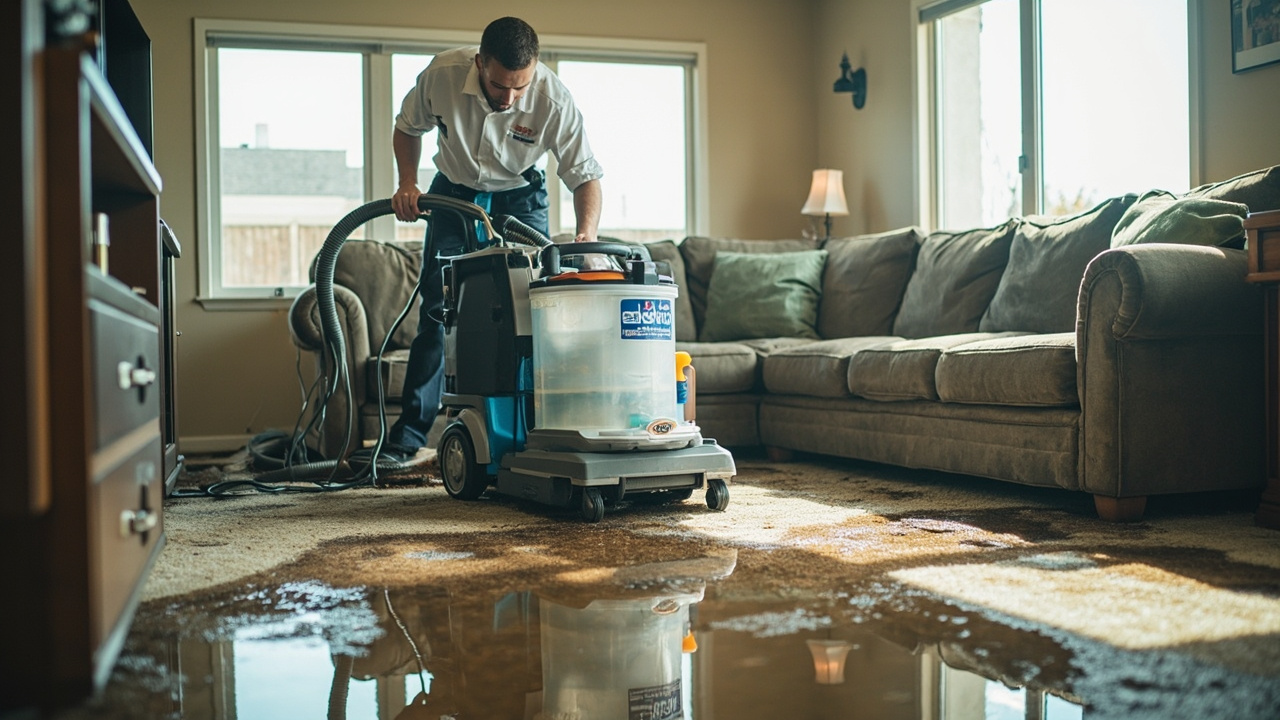
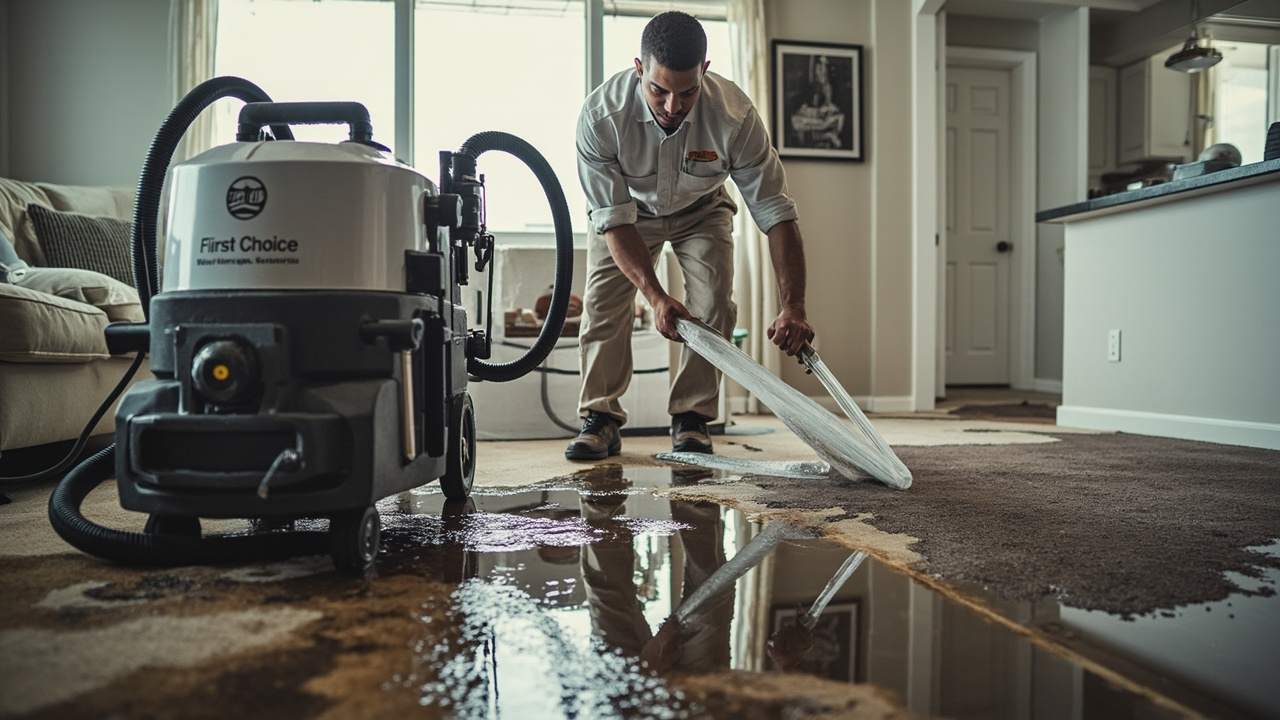
Our truck-mounted extraction units generate 400 to 500 pounds per square inch of suction. Portable extractors you rent cannot match this power. We use wands that penetrate carpet pile and padding, pulling water through extraction ports directly into waste tanks. This removes 95% of standing water in the first pass.

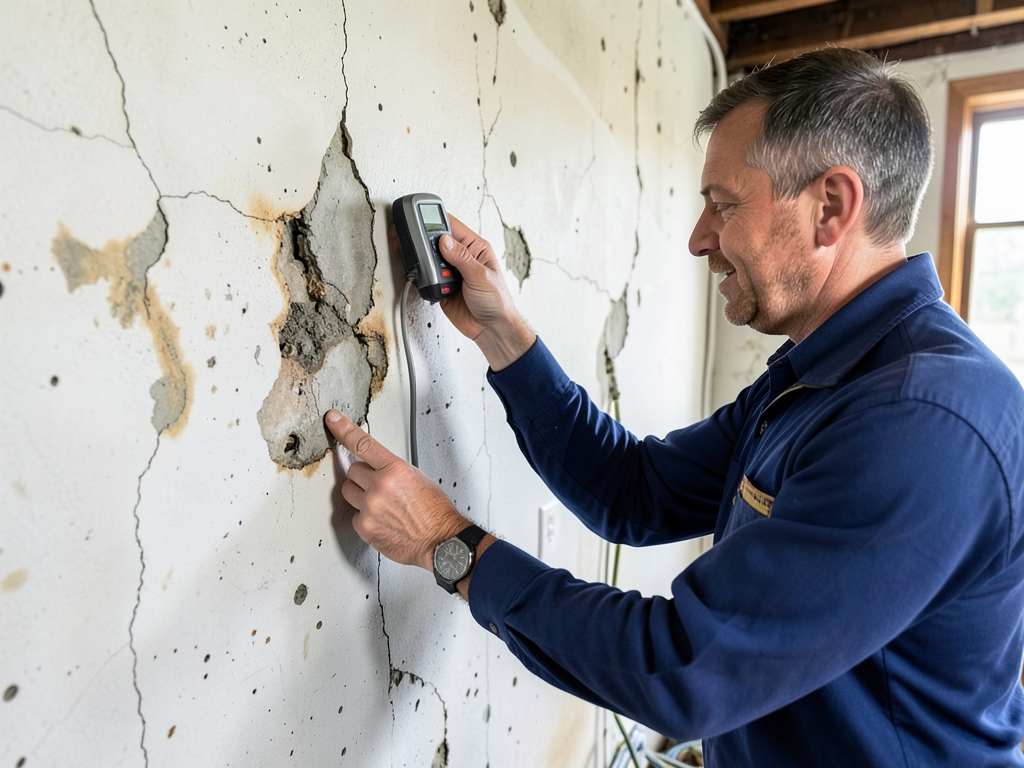
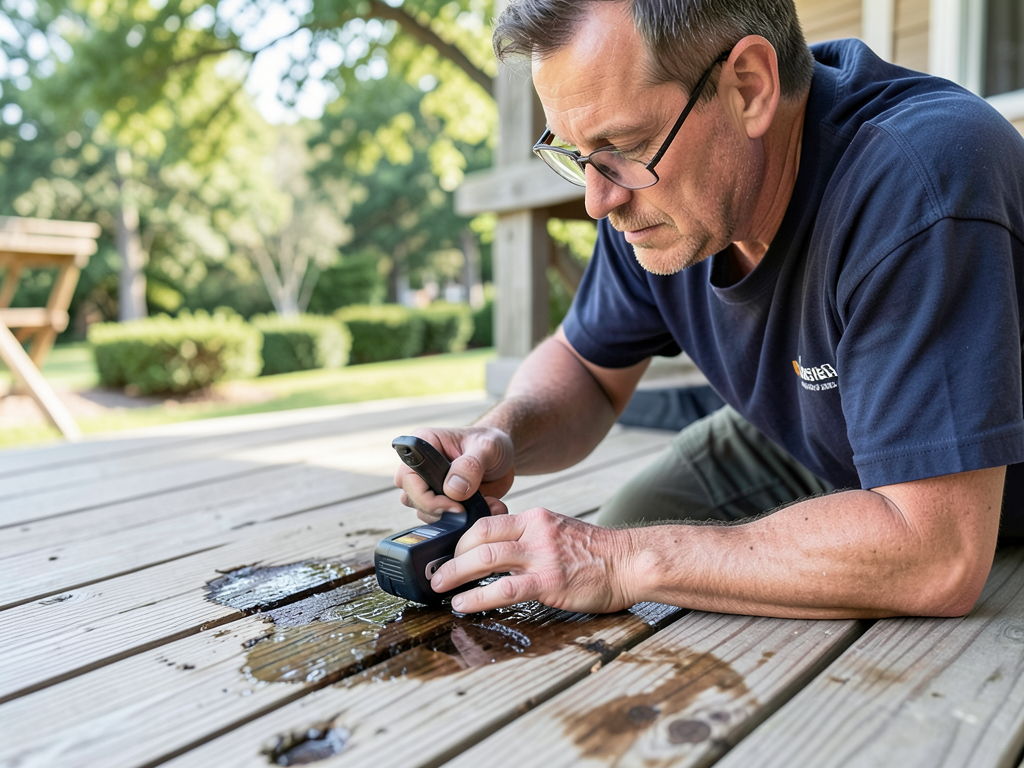
After extraction, we assess moisture content using calibrated hygrometers and infrared cameras. These tools reveal hidden saturation in subfloors and wall bases that visual inspection misses. We document readings to establish drying benchmarks and track progress.

We then deploy air movers and commercial dehumidifiers in a controlled airflow pattern. Air movers create rapid evaporation at the carpet surface. Dehumidifiers capture water vapor before it condenses on cooler surfaces like windows and exterior walls. This is psychrometrics, the science of controlling moisture in air. We calculate grain depression and vapor pressure to optimize drying speed without causing secondary damage like cupping in hardwood subfloors.

Water damage carpet extraction is not a rental machine project. You need operators who understand the difference between wool and nylon carpet fibers, how different backings react to moisture, and when padding is salvageable versus contaminated. We test pH levels in category two and three water to determine if antimicrobial treatment is required. We know when to pull carpet for subfloor drying and when we can dry in place. Experience prevents mistakes that turn a $2,000 extraction job into a $15,000 renovation.

What Happens During Emergency Carpet Extraction

Carpet Water Extraction in Boston – Fast Response When Flooding Strikes Your Home or Business
01

Immediate Water Removal

We arrive with truck-mounted extraction units and begin pulling standing water from carpet and padding within minutes of entering your property. Our technicians section off areas to maximize suction efficiency, working methodically from the wettest zones outward. We extract until moisture meters show fibers are at field capacity, the point where no more water can be mechanically removed.
02

Moisture Mapping and Assessment

After extraction, we map moisture distribution using penetrating and non-penetrating meters. We check subfloors, baseboards, and wall cavities for hidden saturation. Infrared cameras reveal temperature differentials that indicate trapped moisture. We document all readings and photograph affected areas for insurance claims. This data drives our drying strategy and helps you understand the full scope of water intrusion beyond visible carpet damage.
03

Controlled Drying and Monitoring

We position air movers and dehumidifiers based on room geometry and airflow modeling. Equipment runs continuously while we monitor moisture levels every 12 to 24 hours. We adjust equipment placement as drying progresses, targeting stubborn pockets of moisture. When all materials reach dry standard, typically three to five days for carpet over concrete and two to four days over wood subfloors, we remove equipment and conduct final verification testing.

Why Boston Property Owners Choose Local Water Damage Specialists

Atlas Water Damage Restoration Providence understands Boston's building stock. We work in century-old triple-deckers with horsehair plaster walls and modern high-rises with concrete slab floors. Each structure type requires different extraction and drying protocols.

Historic South End brownstones have wood joist floors with diagonal subfloor boards. When water saturates these systems, we must dry from above and below to prevent cupping and mold growth in joist cavities. Modern condos in the Seaport have concrete slabs with glue-down carpet. These require different drying times and dehumidification strategies because concrete holds moisture longer than wood.

We know Boston's insurance landscape. Most homeowners policies cover sudden and accidental water discharge, but exclude flood and sewer backup unless you carry specific endorsements. We document everything for your claim, including photos, moisture logs, and equipment inventories. We work directly with adjusters from Liberty Mutual, Arbella, and Safety Insurance, the carriers that dominate the Boston market. This speeds claim approval and gets you paid faster.

Our response time matters in a city where cross-town travel can take 45 minutes during rush hour. We stage equipment throughout the metro area to reach Jamaica Plain, Roslindale, and Hyde Park as quickly as downtown neighborhoods. When a pipe bursts at 2 AM, you need a crew that arrives before dawn, not a national franchise dispatching from a call center in another state.

Boston has strict lead paint and asbestos regulations in buildings constructed before 1978. We follow Massachusetts Department of Public Health protocols when disturbing building materials during water extraction. We know when to call in licensed inspectors and how to contain work areas to prevent exposure. This protects you from liability and keeps your project compliant with state environmental law.

What You Can Expect From Our Carpet Extraction Service

Response Time and Availability

We answer emergency calls 24 hours a day, 365 days a year. When you call our dispatch line, you speak with a technician who assesses your situation and provides an estimated arrival time. Most Boston-area responses happen within 60 to 90 minutes, depending on traffic and your location. We do not use answering services or offshore call centers. You get direct access to the team handling your project. Weekend and holiday responses carry no surcharge. Water does not wait for business hours, and neither do we.

Onsite Assessment and Planning

Our technician conducts a room-by-room inspection, identifying all affected materials and documenting moisture levels. We explain our findings in plain language and outline the extraction and drying plan. You receive a detailed scope of work before we start equipment. We discuss insurance coverage, answer questions about timelines, and address concerns about furniture, belongings, and daily disruption. This initial consultation typically takes 30 to 45 minutes and gives you complete transparency into what happens next and why each step matters.

Drying Results and Verification

Carpet drying typically completes in two to five days, depending on water category, saturation depth, and environmental conditions. We verify dryness using calibrated moisture meters, comparing readings against established dry standards for each material type. You receive a final moisture report documenting that all affected areas have returned to normal moisture content. This report satisfies insurance requirements and provides proof that drying was completed correctly. If secondary damage like mold growth appears after we finish, we return to investigate the source at no additional diagnostic charge.

Post-Extraction Support and Prevention

After extraction and drying, we provide recommendations to prevent future water damage. This might include advice on upgrading old shutoff valves, installing water alarms, or improving basement drainage. We do not sell you products or services you do not need. Our goal is education and prevention. If you experience another water event within 12 months, we prioritize your call and review our original work to ensure nothing was missed. We also connect you with trusted plumbers, electricians, and general contractors for repairs beyond our scope, saving you time searching for qualified trades in a tight Boston market.

Frequently Asked Questions

You Have Questions,
We Have Answers

How to extract water from carpet? +

Start by removing furniture and blotting visible water with towels. Use a wet/dry shop vacuum to extract moisture from the carpet fibers, working in overlapping passes. Pull up the carpet from tack strips if water has soaked through to the padding. Fans and dehumidifiers help dry what remains. In Boston's humid summers, moisture spreads fast and mold can colonize in 24 to 48 hours. For saturation beyond a small spill, call a professional with truck-mounted extraction equipment to pull water from deep in the pile and subfloor.

How much does it cost to get water out of carpet? +

Cost depends on water volume, carpet size, and contamination level. Clean water from a supply line costs less to extract than sewage backup. Most Boston professionals charge per square foot or per room, with emergency service adding urgency fees. Padding replacement adds expense. Insurance often covers sudden water events like burst pipes. Delaying extraction raises cost because mold remediation and subfloor repair become necessary. Get an on-site estimate before work begins so you understand the scope and can file accurate claims with your carrier.

What draws urine out of carpet? +

Enzyme cleaners break down uric acid crystals that cause odor and staining. Spray the enzyme solution directly on the affected area and let it dwell for 10 to 15 minutes so it penetrates carpet fibers and backing. Blot with clean towels, then extract with a wet vacuum. Avoid steam cleaners initially because heat sets the stain. For pet urine that has soaked padding or subfloor, extraction alone will not remove the smell. You may need padding replacement and subfloor sealing to stop odor permanently.

What's the difference between a carpet cleaner and a carpet extractor? +

A carpet cleaner uses brushes and detergent to scrub dirt from fibers, then pulls dirty water back into a recovery tank. It works well for routine maintenance. A carpet extractor uses high-pressure water injection and powerful suction to flush out embedded soil, allergens, and moisture from deep in the pile and backing. Extractors remove more water and dry faster. In Boston's older triple-deckers with dense wool carpets, extraction is the only method that reaches contamination below the surface and prevents musty odors.

How Boston's Aging Infrastructure Increases Carpet Water Damage Risk

Boston has the oldest housing stock in the country. More than 60% of residential buildings were constructed before 1940, and many retain original plumbing installed 80 to 100 years ago. Galvanized steel and cast iron pipes corrode from the inside out, creating weak spots that fail without warning. The city's combined sewer system, built in the 1800s, overwhelms during heavy rain, pushing sewage backup into basements across Roxbury, Mattapan, and East Boston. Carpet water extraction becomes a recurring need in these neighborhoods, where infrastructure improvements lag behind development. Understanding this local context helps property owners recognize that prevention is nearly impossible without full replumbing, making rapid response and expert extraction the only realistic defense against total carpet loss.

Working in Boston requires familiarity with historic preservation standards, lead paint protocols, and the unique challenges of accessing tight urban properties. Atlas Water Damage Restoration Providence has extracted water from carpets in Federal-style rowhouses on Beacon Hill, triple-deckers in Somerville, and modern condos in the Innovation District. We navigate narrow streets, coordinate with condo associations, and work within the constraints of shared-wall construction. Our technicians understand that you cannot just rip out carpet in a landmarked building without consulting preservation guidelines. Local expertise means we know which restoration approaches satisfy both building officials and insurance adjusters, keeping your project on track and compliant.
Water Damage Restoration Services in The Boston Area

You can see our service area and our location on the map below. We are proud to serve the entire Boston area and surrounding communities. We're always ready to dispatch our team to your home or business, no matter where you are. We’re committed to a fast, reliable response and ensuring we’re always there when you need us most.

Address:
First Choice Water Damage Restoration Boston, 44 School St., Boston, MA, 02108

Additional Services We Offer

Our news updates

Latest Articles & News from The Blogs

Professional Water Damage Restoration for Retail Stores in Harvard Square Harvard Square retail stores face unique water damage risks from…

Professional Water Damage Restoration for Retail Stores in Harvard Square

Professional Water Damage Restoration for Retail Stores in Harvard Square Harvard Square retail stores face unique water damage risks from…

How to Dry Out a Damp Crawl Space in Your Belmont Home (And Stop the Smell)

How to Dry Out a Damp Crawl Space in Your Belmont Home (And Stop the Smell) Musty odors creeping up…

Emergency Dishwasher Leak Cleanup for Busy Kitchens in Arlington

Emergency Dishwasher Leak Cleanup for Busy Kitchens in Arlington Did you walk into your kitchen and find water pooling around…

Contact Us

Water spreads fast. Mold grows faster. Call Atlas Water Damage Restoration Providence at (617) 789-8099 right now for immediate dispatch. We answer 24/7 and arrive ready to extract, dry, and save your carpet before damage becomes irreversible.