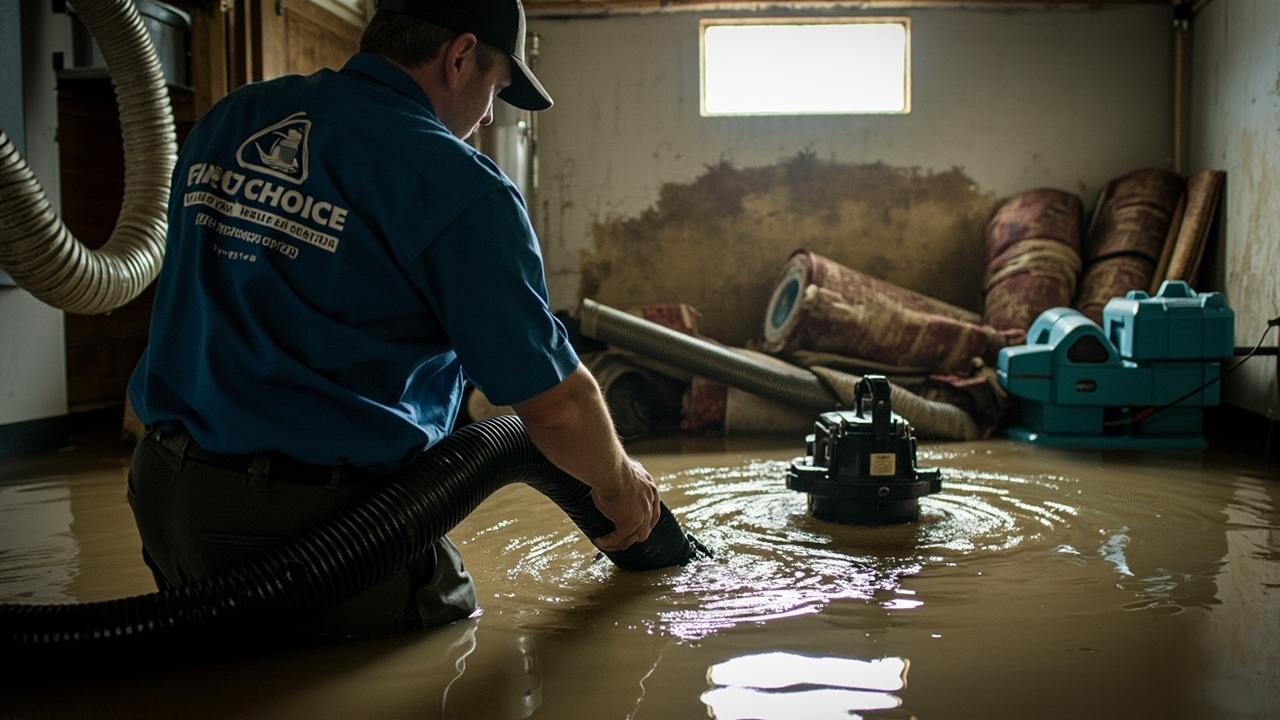
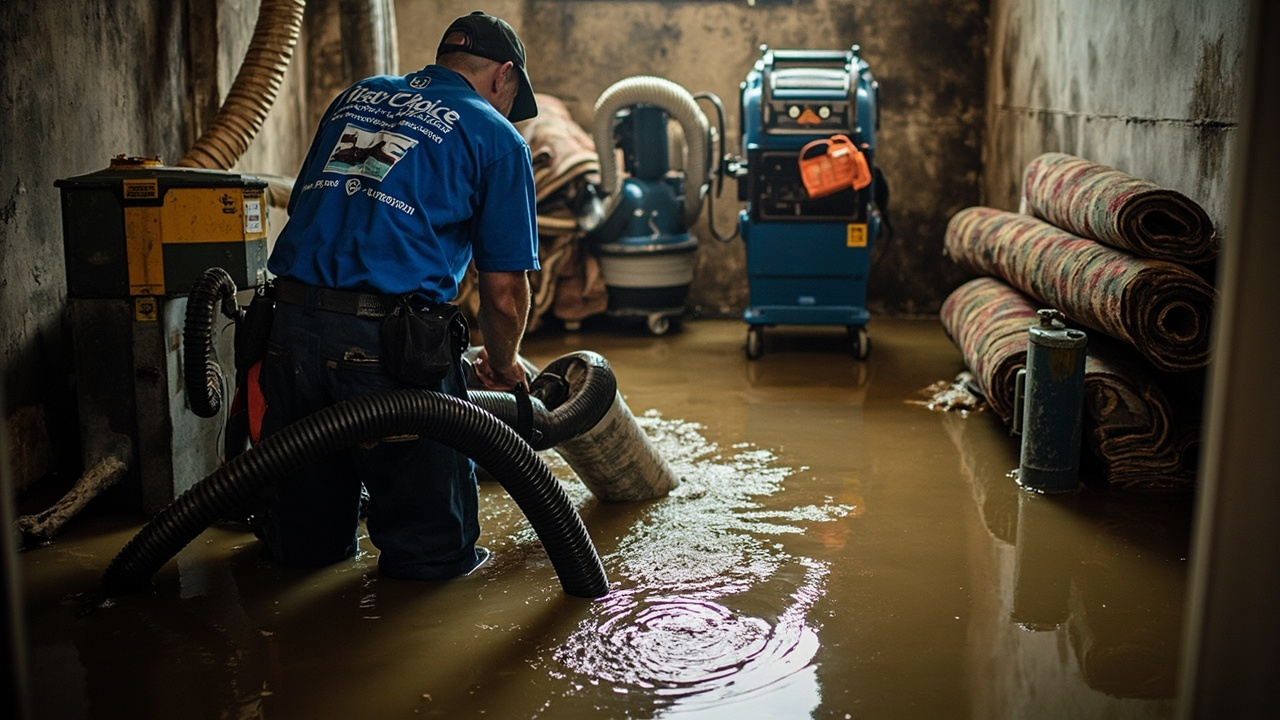
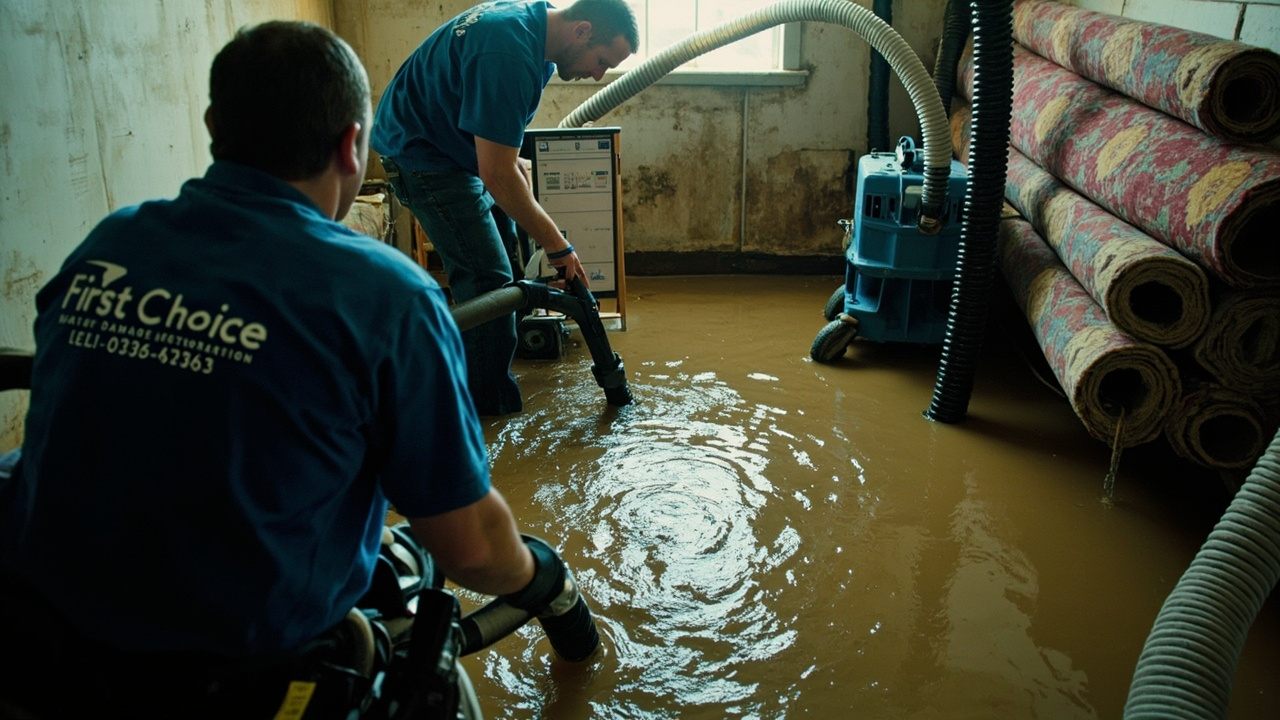
Boston sits at sea level on a peninsula surrounded by water, making it uniquely vulnerable to coastal flooding during nor'easters and king tides. The city's average humidity hovers near 70 percent year-round, creating ideal conditions for rapid mold growth after water intrusion. When flood water enters a Boston property, the ambient moisture slows natural evaporation, meaning water sits longer in building materials compared to drier climates. This compressed timeline between initial flooding and mold colonization means emergency water extraction must happen within hours, not days. The city's aging combined sewer infrastructure also means flood water often contains sewage, elevating health risks and requiring professional-grade sanitization that goes far beyond simple water removal.
Massachusetts building codes require proper moisture remediation and documentation for any water damage affecting structural components. Insurance companies in Boston expect detailed moisture logs, psychrometric calculations, and photographic evidence of proper drying procedures. Hiring a local water mitigation company means working with professionals who understand these regional expectations and maintain relationships with Boston-area adjusters. We know which local labs to use for post-remediation mold testing, which restoration techniques satisfy historic district preservation boards in Back Bay and Beacon Hill, and how to navigate the specific reporting requirements of Massachusetts insurers. Local expertise translates to faster claim approval and proper restoration.