



Brookline's dense housing stock and older building infrastructure create unique water damage challenges. Many properties in Coolidge Corner, Washington Square, and Brookline Village feature basements below the water table, making them vulnerable to groundwater intrusion during spring thaws and heavy rain events. The town sits at the confluence of Muddy River and several underground streams, which raise hydrostatic pressure during storms.
Massachusetts freeze-thaw cycles punish aging pipes in Brookline's historic homes. When temperatures drop below freezing, water expands inside copper and galvanized pipes. A single burst pipe can release 400 gallons per hour, flooding finished basements and damaging irreplaceable belongings. The town's proximity to the Charles River means humidity levels stay elevated year-round, accelerating mold growth after water events.
Brookline's building codes require proper water mitigation documentation for insurance claims. Massachusetts General Law Chapter 175 Section 99 governs property insurance claims, but insurers often deny coverage when homeowners delay professional remediation. Standing water penetrates subflooring within 24 hours, compromising structural integrity and creating long-term problems that cost exponentially more to fix than immediate extraction and drying.
First Choice Water Damage Restoration Boston has stabilized over 3,000 water emergencies across Brookline since establishing our rapid response protocol for Norfolk County properties. We maintain staged equipment at our facility specifically for Brookline dispatch, cutting response time to under 90 minutes for most neighborhoods. When you call at 2 AM with a flooded basement, you get a crew chief on the phone immediately, not an answering service.
Our technicians hold IICRC Water Damage Restoration certification and train specifically on the building types common to Brookline. We understand how water moves through triple-deckers, how to access crawl spaces in century-old Victorians, and how to protect hardwood floors in historic properties. This expertise prevents secondary damage that generic restoration companies cause through improper technique.
We coordinate directly with every major insurance carrier operating in Massachusetts. Our estimators document damage using Xactimate software, the industry standard that insurers accept without dispute. We photograph every stage of mitigation, maintain chain of custody for removed materials, and provide the detailed reporting that satisfies adjusters. This removes the administrative burden from property owners already dealing with displacement and stress.
Brookline property owners choose us because we stop the panic, stabilize the property, and handle the insurance process. We don't upsell unnecessary reconstruction. We extract water, dry the structure, remediate contamination, and restore your property to pre-loss condition. Our goal is to make the disaster disappear, not to maximize billable hours.

We dispatch crews to Brookline properties within 90 minutes of your call, 24 hours a day. Our trucks carry truck-mounted extraction units and commercial dehumidifiers to begin mitigation immediately. Fast response prevents mold growth and reduces total damage by stopping water migration through building materials.

We document every phase of water damage restoration using the same Xactimate software your insurance adjuster uses. Our estimates include all necessary line items with proper coding, preventing claim denials. We communicate directly with adjusters to expedite approval and get you back in your home faster.
Every crew member holds current Institute of Inspection, Cleaning and Restoration Certification for water damage restoration. This certification requires 40 hours of training in psychrometry, moisture detection, and microbial remediation. We follow ANSI/IICRC S500 standards for all water mitigation projects in Brookline.
We've restored water damage in every Brookline neighborhood from Chestnut Hill to Longwood. Our technicians understand local construction methods, from balloon-framed Victorians to mid-century garden apartments. This knowledge prevents structural damage during extraction and speeds the drying process through proper equipment placement.
Water damage restoration requires different approaches based on contamination level, affected materials, and urgency. A clean water leak from a supply line needs different treatment than a sewage backup or flood contamination. First Choice Water Damage Restoration Boston deploys the appropriate equipment and protocol for each situation.
Our service range covers every phase of water damage recovery, from emergency extraction through final reconstruction. We handle residential properties, commercial buildings, and multi-family housing throughout Brookline. Each restoration project begins with moisture mapping to identify all affected areas, including hidden water in wall cavities and subfloor spaces that lead to mold growth if missed.
We categorize water damage response into three service levels based on contamination. Category 1 involves clean water from supply lines and rainwater. Category 2 includes gray water from appliances and fixtures. Category 3 covers black water from sewage and flooding. Each category requires specific safety protocols and disposal procedures. Our crews arrive with personal protective equipment and containment barriers to prevent cross-contamination during restoration.
When water floods your Brookline property, immediate extraction prevents damage from spreading through capillary action. Our truck-mounted extractors remove thousands of gallons per hour from basements, crawl spaces, and living areas. We deploy submersible pumps for deep water and weighted extraction tools for carpets and padding. After bulk removal, we place air movers and commercial dehumidifiers to begin structural drying. Emergency board-up services protect properties with roof damage or broken windows.
Proper drying requires monitoring moisture levels in building materials until they return to normal range. We use thermal imaging cameras to detect hidden moisture behind walls and under floors. Moisture meters track drying progress in wood framing, drywall, and concrete. Our technicians calculate grain depression and vapor pressure to optimize dehumidifier placement. We maintain detailed drying logs that insurance adjusters require for claim approval. Most structures reach dry standard within three to five days.
Mold colonies establish within 48 hours of water exposure. Our remediation protocol follows Massachusetts Department of Public Health guidelines for mold cleanup. We establish negative air pressure containment to prevent spore migration, remove contaminated materials, and treat surfaces with antimicrobial agents. HEPA filtration captures airborne spores during demolition. After remediation, we verify clearance through third-party air quality testing. Properties with sewage contamination receive additional disinfection using EPA-registered biocides.
Brookline's housing stock presents specific water damage vulnerabilities based on building age and construction methods. Properties built before 1960 often have cast iron drain lines that corrode from the inside, causing sudden failures. Homes in flood zones near Muddy River face recurring groundwater problems during spring runoff. Even newer construction suffers damage when sump pumps fail during power outages.
The town's dense development means water damage in attached properties can affect multiple units. A burst pipe in one condominium spreads to units below through floor penetrations and wall chases. Multi-family buildings in Coolidge Corner and Brookline Village require rapid response to prevent tenant displacement and minimize liability exposure for property owners.
Seasonal freezing creates predictable damage patterns. Exterior hose bibs without frost-proof valves freeze first. Pipes in exterior walls and unheated spaces burst when insulation fails. Ice dams on north-facing roofs force water under shingles and into attic spaces, damaging ceilings and insulation.
Frozen pipes burst when ice expansion creates pressure that copper and PEX cannot withstand. A quarter-inch split releases hundreds of gallons before discovery. Supply line failures also occur when washing machine hoses age beyond their five-year service life. We respond to burst pipe emergencies within 90 minutes to stop flow and begin extraction.
Properties near Muddy River and in low-lying areas experience basement flooding during heavy rain and spring snowmelt. Failed sump pumps allow groundwater to rise through floor drains and foundation cracks. We extract standing water, dry the structure, and identify entry points. Chronic flooding requires waterproofing consultation to prevent recurrence.
Aging cast iron drain lines collapse internally, causing sewage backups into basements and first-floor bathrooms. Tree roots infiltrate clay sewer laterals, blocking flow during heavy use. Category 3 contamination requires specialized cleanup with antimicrobial treatment. We dispose of contaminated materials following Massachusetts hazardous waste protocols and disinfect all affected surfaces.
Water heaters fail catastrophically when anode rods corrode and tanks rust through. A 50-gallon tank releases its entire contents onto basement floors and into finished living spaces. Dishwashers leak when door gaskets fail. Refrigerator ice makers flood kitchens when supply tubes crack. We extract water quickly to prevent subfloor damage and cabinet deterioration.
Water damage creates chaos. You need someone to take control, explain what happens next, and execute a plan that stops the destruction. When you call First Choice Water Damage Restoration Boston, you speak directly with a crew chief who dispatches technicians to your Brookline property while still on the phone.
We walk you through immediate safety steps, like shutting off water supply and electricity to affected areas. Our team arrives with extraction equipment, moisture detection tools, and documentation supplies to begin mitigation. We assess damage, explain the restoration process, and provide a timeline for drying and repairs.
Communication continues throughout the project. We update you daily on drying progress, coordinate with your insurance adjuster, and schedule inspections. You receive detailed documentation including moisture readings, equipment logs, and photographic evidence. Our goal is to remove uncertainty during a stressful situation by providing clear information and consistent follow-through.
Our crew arrives within 90 minutes to stop water intrusion and assess affected areas. We use thermal imaging and moisture meters to map damage, including hidden water in walls and subfloors. You receive a verbal explanation of findings and recommended mitigation steps. We photograph all damage for insurance documentation and identify contents that require special handling or disposal.
Drying requires three to five days for most structures. We monitor moisture levels twice daily and adjust equipment placement to optimize airflow. You receive text or email updates showing current readings compared to dry standard. We explain what the numbers mean and when you can expect completion. Equipment runs continuously, but we minimize disruption by consolidating power usage and noise.
We prepare a detailed scope of loss using Xactimate estimating software that insurance adjusters accept without modification. Our team schedules adjuster inspections and provides all required documentation. After drying reaches completion, we verify results with final moisture readings and remove equipment. You receive a certificate of completion showing your property has returned to pre-loss condition.
Water damage restoration follows a proven sequence that stops damage progression, removes moisture, and restores your property. Each phase requires specific equipment and expertise to prevent problems that appear weeks or months later.
We stop the water source, extract standing water, and remove saturated materials that cannot be saved. Truck-mounted extractors pull thousands of gallons from carpets, padding, and hard surfaces. We move contents to dry areas and begin airflow to prevent mold establishment. Emergency board-up protects your property if windows or roof sections sustained damage. This phase happens within hours of your call.
Industrial dehumidifiers and air movers run continuously to remove moisture from building materials. We monitor hardwood floors, drywall, and framing twice daily using penetrating moisture meters. Thermal imaging identifies hidden water in wall cavities and ceiling spaces. We adjust equipment placement based on readings to optimize drying efficiency. Most structures reach dry standard within three to five days depending on materials and saturation level.
After verification that all materials have returned to normal moisture content, we clean and restore your property. Antimicrobial treatment prevents microbial growth on affected surfaces. We reinstall contents, replace removed materials, and complete any necessary reconstruction. Final inspection confirms your property has returned to pre-loss condition. You receive documentation showing completion and clearance for insurance claim closure.
Professional water damage restoration follows scientific principles of psychrometry and building science. The Institute of Inspection, Cleaning and Restoration Certification publishes the ANSI/IICRC S500 Standard for Professional Water Damage Restoration, which governs proper mitigation procedures. This standard defines moisture measurement protocols, equipment specifications, and drying goals based on material type.
Water migrates through building materials via three mechanisms: gravity flow, capillary action, and vapor diffusion. Gravity moves bulk water downward through floors and wall cavities. Capillary action draws water horizontally through porous materials like drywall and concrete. Vapor diffusion occurs when humid air contacts cooler surfaces, depositing moisture through condensation. Effective drying addresses all three mechanisms.
Restoration technicians use specific humidity ratio and grain depression calculations to determine dehumidifier capacity and placement. These psychrometric measurements compare absolute moisture in the air to the moisture content in building materials. The goal is to create a vapor pressure gradient that pulls moisture from wet materials into the air, where dehumidifiers remove it. This process continues until materials reach their equilibrium moisture content for the local climate.
Massachusetts requires water damage restoration companies to follow Department of Public Health regulations for mold prevention. When materials remain wet beyond 48 hours, mold colonization begins. The 48-hour window drives our rapid response protocol and continuous monitoring schedule. We measure moisture every 12 hours and adjust drying equipment to prevent conditions that support microbial growth.
Insurance carriers require specific documentation to approve water damage claims. We photograph all affected areas before mitigation begins, document the water source and category, and maintain daily moisture logs. Our estimates include all necessary procedures coded to match insurance company standards. This documentation prevents claim disputes and speeds approval.
We use penetrating moisture meters that measure water content deep in wood and concrete without surface contact. Thermal imaging cameras detect temperature differentials caused by evaporative cooling, revealing hidden moisture in walls and ceilings. These tools identify all affected areas, including water that migrated far from the visible damage source.
Category 1 water comes from clean sources like supply lines and rain. Category 2 gray water contains contamination from appliances and toilet overflow without feces. Category 3 black water includes sewage and flooding with high contamination levels. Each category requires different safety protocols, disposal methods, and antimicrobial treatment. Insurance coverage varies by category.
Structural drying duration depends on material porosity, saturation level, and environmental conditions. Hardwood floors require slower drying than carpet to prevent cupping. Plaster absorbs more water than drywall and takes longer to dry. Dense materials like concrete need weeks to reach dry standard. We calculate expected drying time based on these factors.
Massachusetts insurers require specific documentation to process water damage claims. We provide photographic evidence of damage, moisture readings showing progression to dry standard, equipment logs proving continuous drying, and detailed estimates using Xactimate software. This documentation package satisfies adjuster requirements and prevents claim delays or denials based on insufficient proof.
Professional water damage restoration process demonstration for Brookline, Massachusetts properties. Video covers emergency water extraction procedures, structural drying techniques using dehumidifiers and air movers, moisture detection methods including thermal imaging, and insurance documentation requirements. Explains the three-phase mitigation approach from stabilization through final restoration. Includes information on response times, equipment specifications, and IICRC S500 standard compliance for water damage cleanup in residential and commercial properties.
First Choice Water Damage Restoration Boston maintains rapid response capabilities throughout Brookline and surrounding Norfolk County communities. Our dispatch center coordinates crews to reach properties in Coolidge Corner, Brookline Village, Washington Square, Chestnut Hill, Longwood, and South Brookline within 90 minutes of emergency calls.
Coolidge Corner's commercial and residential mix requires specialized approach. Water damage in street-level retail spaces affects businesses and residential units above. We coordinate access through building managers and deploy containment barriers to allow businesses to remain operational during drying. The dense housing stock means quick response prevents damage from spreading to adjacent properties.
Brookline Village properties near Muddy River face recurring groundwater problems during spring runoff and heavy rain events. We've restored dozens of basements in this neighborhood and understand the drainage patterns that cause flooding. Our crews know which properties have chronic sump pump issues and which streets flood first when the river rises.
Washington Square and Chestnut Hill feature larger single-family homes with finished basements and multiple bathrooms. These properties sustain significant damage when pipes burst because water spreads across large square footage before discovery. We deploy multiple extraction units and dehumidifiers to handle high-volume situations efficiently.
South Brookline's proximity to Route 9 gives us quick access from our staging facility. We serve the apartment complexes and triple-deckers common to this area, where water damage in upper units cascades through floor penetrations to units below. Multi-family restoration requires coordination with multiple property owners and tenants. Our team manages this complexity while maintaining rapid mitigation pace.
The Longwood Medical Area presents unique challenges with institutional buildings and high-rise residential properties. We maintain commercial-grade equipment specifically for large-scale water events in these structures. Our technicians hold clearances to work in medical facilities and understand infection control protocols required near hospital campuses.
We also serve adjacent communities including Allston, Brighton, Newton, and Jamaica Plain. Water doesn't respect municipal boundaries, and neither does our service area. Properties near town lines receive the same 90-minute response time as central Brookline locations.
Yes. Water damage restoration is worth it because untreated water spreads fast, causing structural rot, mold growth, and electrical hazards. In Brookline homes, where many properties feature older plaster walls and hardwood floors, water seeps into hidden cavities and compromises framing. Professional restoration extracts water, dries structural components, and prevents secondary damage that costs exponentially more to fix later. Delaying restoration turns a manageable situation into a full gut job. If you care about your property value and family health, restoration is not optional.
Water damage repair costs in Brookline range widely based on water category, affected square footage, and structural involvement. Clean water extraction from a supply line failure costs less than sewage backup cleanup. You pay for water removal, drying equipment rental, antimicrobial treatment, and reconstruction. Most residential jobs fall between moderate and significant expense depending on how long water sat. Insurance often covers sudden failures but not neglect. Get a detailed estimate after inspection. Waiting inflates costs as damage spreads through walls and subfloors.
Repairing a water-damaged floor depends on flooring type and saturation level. Hardwood floors common in Brookline homes can sometimes be saved if dried quickly, but cupped or buckled boards need replacement. Subfloor damage adds cost. Laminate and engineered wood rarely survive saturation. Tile floors may survive, but grout and underlayment often need work. Costs climb when water reaches floor joists or causes microbial growth underneath. Address damage within 24 to 48 hours to maximize salvage potential and minimize replacement expenses.
Yes. Water damage restoration is worth it because untreated water spreads fast, causing structural rot, mold growth, and electrical hazards. In Brookline homes, where many properties feature older plaster walls and hardwood floors, water seeps into hidden cavities and compromises framing. Professional restoration extracts water, dries structural components, and prevents secondary damage that costs exponentially more to fix later. Delaying restoration turns a manageable situation into a full gut job. If you care about your property value and family health, restoration is not optional.
Water damage repair costs in Brookline range widely based on water category, affected square footage, and structural involvement. Clean water extraction from a supply line failure costs less than sewage backup cleanup. You pay for water removal, drying equipment rental, antimicrobial treatment, and reconstruction. Most residential jobs fall between moderate and significant expense depending on how long water sat. Insurance often covers sudden failures but not neglect. Get a detailed estimate after inspection. Waiting inflates costs as damage spreads through walls and subfloors.
Repairing a water-damaged floor depends on flooring type and saturation level. Hardwood floors common in Brookline homes can sometimes be saved if dried quickly, but cupped or buckled boards need replacement. Subfloor damage adds cost. Laminate and engineered wood rarely survive saturation. Tile floors may survive, but grout and underlayment often need work. Costs climb when water reaches floor joists or causes microbial growth underneath. Address damage within 24 to 48 hours to maximize salvage potential and minimize replacement expenses.
Stop the water source immediately if safe to do so. Shut off the main water valve or circuit breaker if flooding is electrical. Move valuables to dry areas and remove standing water with towels or a wet vacuum. Open windows if weather permits to increase airflow. Do not use household fans if you suspect mold. Document everything with photos for insurance. Call a water damage restoration company in Brookline right away. The first 24 hours determine whether you save or replace materials. Speed matters more than anything.
Most homeowner policies cover sudden and accidental water damage, like burst pipes or appliance failures. Insurance typically pays for water extraction, drying, and repairs. Coverage excludes flood events, which require separate flood insurance, and gradual damage from neglect or deferred maintenance. In Brookline, older homes with aging plumbing may face scrutiny if the insurer suspects pre-existing issues. File your claim immediately, document all damage with photos, and keep receipts. A restoration company can work directly with your adjuster to streamline approval and payment.
Mold begins growing within 24 to 48 hours in damp conditions. Brookline's humid climate accelerates this timeline. Mold spores are always present in the air but need moisture to colonize. Once water saturates drywall, insulation, or wood framing, mold spreads rapidly behind walls where you cannot see it. Temperature between 60 and 80 degrees creates ideal conditions. If you wait longer than two days to dry affected areas, assume mold contamination has started. Professional drying equipment and antimicrobial treatment become necessary to prevent health risks and structural decay.
Coverage depends on the water source. Insurance typically covers water damage inside walls from sudden pipe bursts or appliance leaks. It does not cover damage from external flooding, roof leaks you ignored, or long-term seepage from poor maintenance. In Brookline, where many homes have plaster walls that hide damage, insurers may dispute claims if they believe you waited too long to report the issue. Document damage immediately with photos and timestamps. A restoration professional can help interpret your policy and communicate findings to your adjuster.
Yes, if the damage qualifies under your policy terms. Insurers pay for sudden, accidental water events like burst pipes, washing machine overflows, or water heater failures. They deny claims for floods, gradual leaks, or maintenance neglect. In Brookline, older homes with original plumbing may face claim denials if the insurer argues the failure was foreseeable. Review your policy exclusions before filing. Respond quickly to water events, document everything, and hire a licensed restoration company to create a professional estimate. Prompt action improves claim approval rates significantly.
Water damage is expensive because it affects multiple building systems at once. Water spreads through walls, floors, and ceilings, saturating insulation, framing, and finishes. You pay for specialized extraction equipment, industrial dehumidifiers running for days, antimicrobial treatments, and reconstruction labor. In Brookline homes with plaster walls and hardwood floors, restoration requires skilled tradespeople. Mold remediation adds cost if you delay. Insurance fraud inflates pricing industry-wide. Emergency response and 24/7 availability cost more than scheduled work. The longer water sits, the more systems fail, multiplying your total repair bill exponentially.
Homeowners insurance covers floor damage if caused by a sudden, accidental water event like a pipe burst or appliance malfunction. Policies exclude flood damage and gradual leaks from poor maintenance. In Brookline, where many homes have valuable hardwood floors, insurers scrutinize claims closely to determine if damage was preventable. Coverage includes water extraction, floor drying, and replacement if materials are unsalvageable. Subfloor and joist repairs may also be covered. File claims immediately, document conditions with photos, and provide restoration estimates. Delays give insurers reason to deny coverage.
Stop the water source immediately if safe to do so. Shut off the main water valve or circuit breaker if flooding is electrical. Move valuables to dry areas and remove standing water with towels or a wet vacuum. Open windows if weather permits to increase airflow. Do not use household fans if you suspect mold. Document everything with photos for insurance. Call a water damage restoration company in Brookline right away. The first 24 hours determine whether you save or replace materials. Speed matters more than anything.
Most homeowner policies cover sudden and accidental water damage, like burst pipes or appliance failures. Insurance typically pays for water extraction, drying, and repairs. Coverage excludes flood events, which require separate flood insurance, and gradual damage from neglect or deferred maintenance. In Brookline, older homes with aging plumbing may face scrutiny if the insurer suspects pre-existing issues. File your claim immediately, document all damage with photos, and keep receipts. A restoration company can work directly with your adjuster to streamline approval and payment.
Mold begins growing within 24 to 48 hours in damp conditions. Brookline's humid climate accelerates this timeline. Mold spores are always present in the air but need moisture to colonize. Once water saturates drywall, insulation, or wood framing, mold spreads rapidly behind walls where you cannot see it. Temperature between 60 and 80 degrees creates ideal conditions. If you wait longer than two days to dry affected areas, assume mold contamination has started. Professional drying equipment and antimicrobial treatment become necessary to prevent health risks and structural decay.
Coverage depends on the water source. Insurance typically covers water damage inside walls from sudden pipe bursts or appliance leaks. It does not cover damage from external flooding, roof leaks you ignored, or long-term seepage from poor maintenance. In Brookline, where many homes have plaster walls that hide damage, insurers may dispute claims if they believe you waited too long to report the issue. Document damage immediately with photos and timestamps. A restoration professional can help interpret your policy and communicate findings to your adjuster.
Yes, if the damage qualifies under your policy terms. Insurers pay for sudden, accidental water events like burst pipes, washing machine overflows, or water heater failures. They deny claims for floods, gradual leaks, or maintenance neglect. In Brookline, older homes with original plumbing may face claim denials if the insurer argues the failure was foreseeable. Review your policy exclusions before filing. Respond quickly to water events, document everything, and hire a licensed restoration company to create a professional estimate. Prompt action improves claim approval rates significantly.
Water damage is expensive because it affects multiple building systems at once. Water spreads through walls, floors, and ceilings, saturating insulation, framing, and finishes. You pay for specialized extraction equipment, industrial dehumidifiers running for days, antimicrobial treatments, and reconstruction labor. In Brookline homes with plaster walls and hardwood floors, restoration requires skilled tradespeople. Mold remediation adds cost if you delay. Insurance fraud inflates pricing industry-wide. Emergency response and 24/7 availability cost more than scheduled work. The longer water sits, the more systems fail, multiplying your total repair bill exponentially.
Homeowners insurance covers floor damage if caused by a sudden, accidental water event like a pipe burst or appliance malfunction. Policies exclude flood damage and gradual leaks from poor maintenance. In Brookline, where many homes have valuable hardwood floors, insurers scrutinize claims closely to determine if damage was preventable. Coverage includes water extraction, floor drying, and replacement if materials are unsalvageable. Subfloor and joist repairs may also be covered. File claims immediately, document conditions with photos, and provide restoration estimates. Delays give insurers reason to deny coverage.
You can see our service area and our location on the map below. We are proud to serve the entire Boston area and surrounding communities. We're always ready to dispatch our team to your home or business, no matter where you are. We’re committed to a fast, reliable response and ensuring we’re always there when you need us most.
Address:
Brookline, MA, 2445
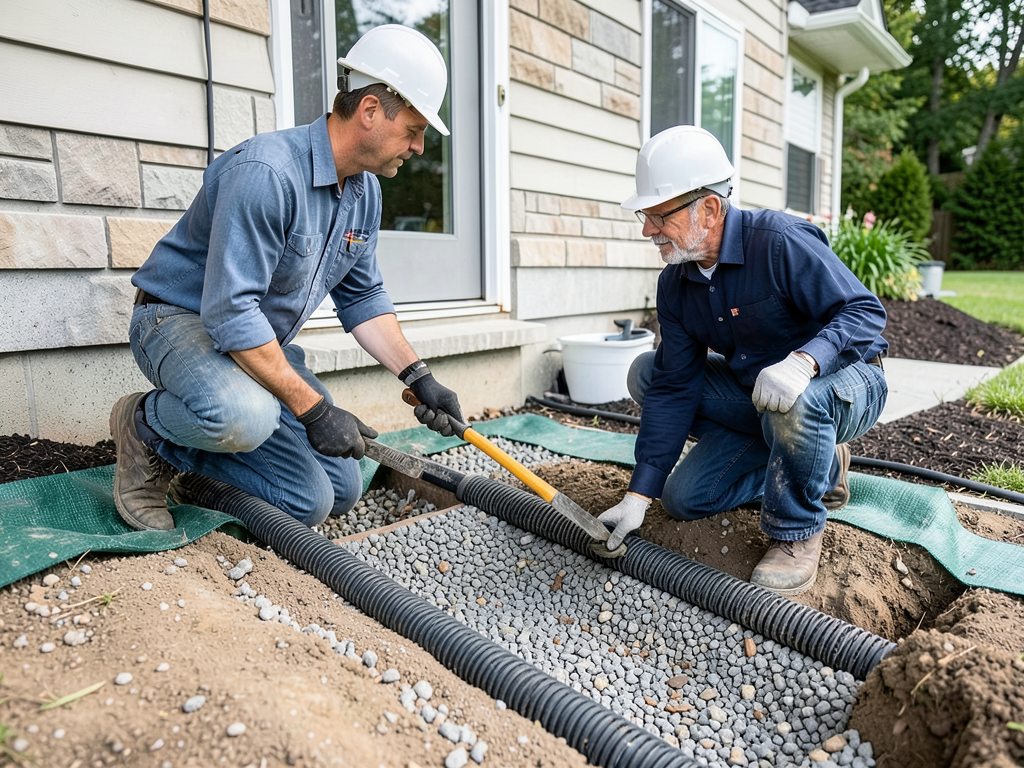
Using Smart Landscaping to Keep Surface Water Away from Your Concord Foundation Your Concord home sits on land shaped by ancient glaciers and fed by seasonal rains. Every year, snowmelt from the Middlesex County watershed…
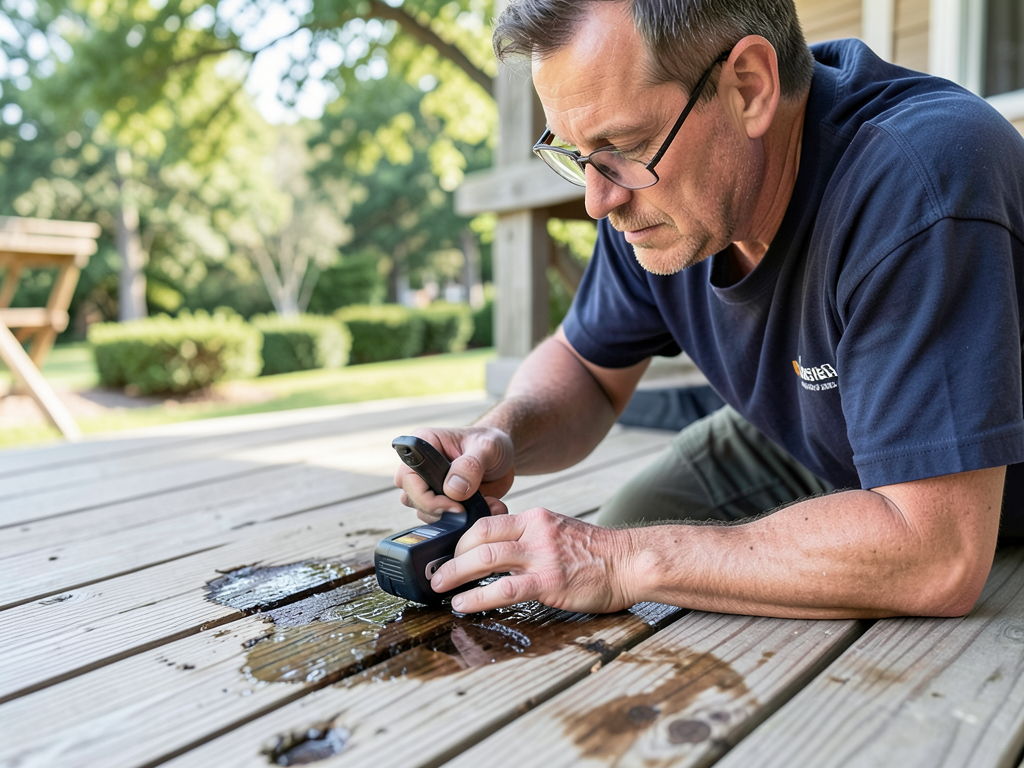
How to Find a Hidden Water Leak Under Your Marblehead Outdoor Deck Living in Marblehead…
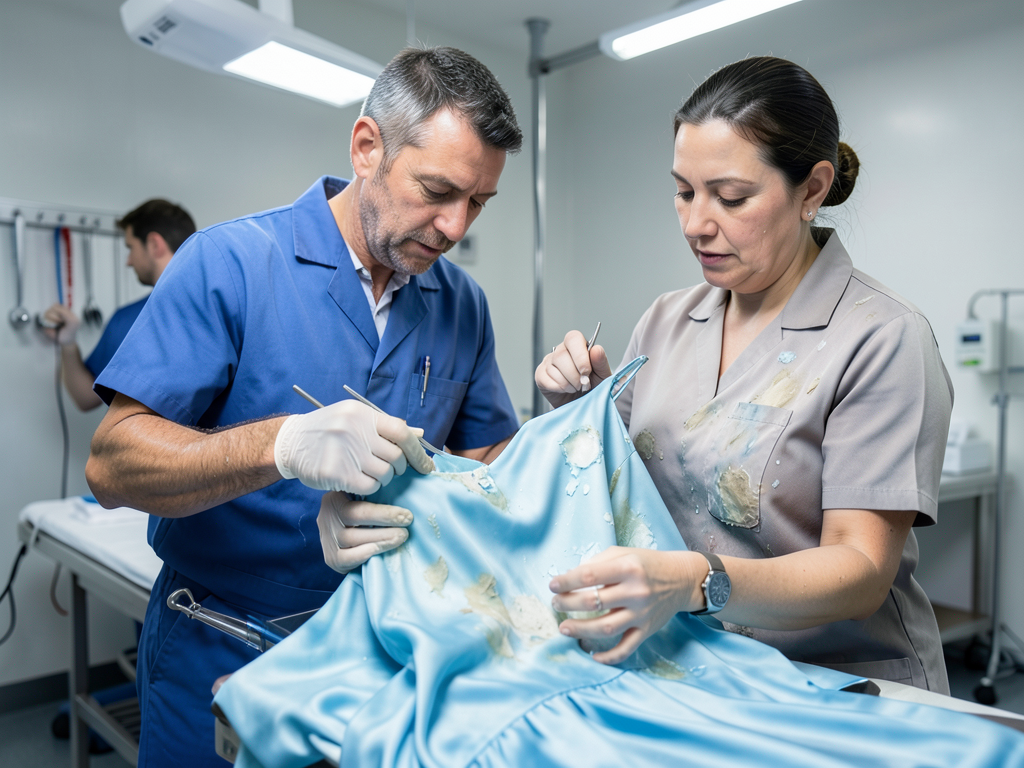
When a pipe bursts in your Chestnut Hill home the damage goes far beyond soaked…
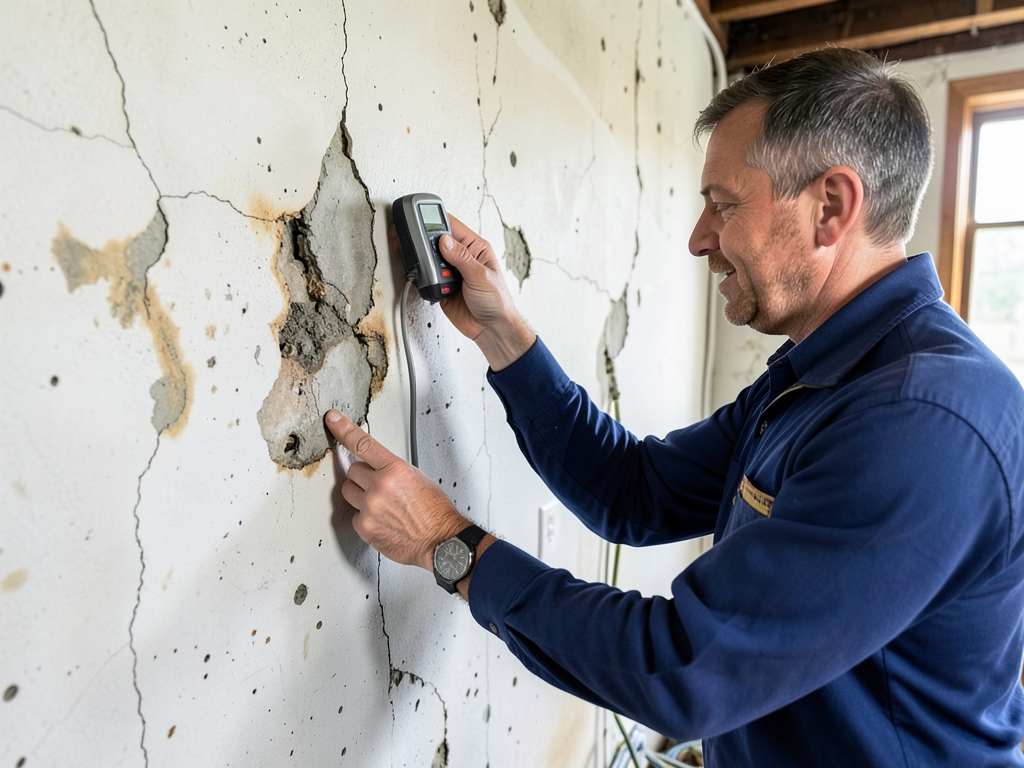
Preparing Your Inland Needham Home for Hurricane Season Flooding Living in Needham means enjoying quiet…
Every minute of delay increases damage and cost. Call First Choice Water Damage Restoration Boston now at (617) 789-8099 for immediate dispatch to your Brookline property. Our crew chief answers 24/7 and begins coordinating your emergency response while you're still on the phone.