
Your Roslindale basement smells like a sewer after it rains because water is forcing sewer gases back through your plumbing system. This happens when heavy rain overwhelms Boston’s combined sewer system or when water pressure pushes gases through dry traps and cracked pipes. The odor signals a serious issue that can expose your family to methane, hydrogen sulfide, and harmful bacteria. Boston Water and Sewer Commission.
Roslindale homes built before 1950 often have clay sewer lines that crack and allow groundwater infiltration. When rain saturates the soil, the increased pressure pushes contaminated water and gases back toward your home through the path of least resistance – your basement drains and toilets. This is not just an unpleasant smell but a Category 3 water contamination emergency requiring professional remediation. Professional sump pump failure cleanup for Newton homeowners.
Why Rain Triggers Sewer Odors in Roslindale Homes
Roslindale sits in a bowl-shaped area where several small brooks once flowed toward the Neponset River. This topography creates unique drainage challenges during heavy rainfall. When stormwater overwhelms the municipal system, pressure builds in the pipes and forces gases and contaminated water backward through your home’s plumbing.
The Boston Water and Sewer Commission reports that Roslindale experiences higher rates of sewer surcharge during nor’easters compared to elevated neighborhoods like West Roxbury. The area’s clay soil retains water like a sponge, maintaining elevated groundwater levels for days after storms end. Steps to Take After a Flood.
Older homes in Roslindale’s Bellevue Hill and American Legion Highway areas often have cast iron sewer stacks that corrode from the inside out. These hidden failures allow sewer gases to escape into wall cavities and eventually into living spaces. The problem worsens when rainwater saturates the ground and increases external pressure on compromised pipes.
Many Roslindale basements have floor drains that connect directly to the main sewer line without backwater valves. During heavy rain events, these drains become the easiest escape route for pressurized sewage. The result is standing water mixed with waste that produces the characteristic rotten egg smell of hydrogen sulfide.
Common Culprits: From Dry P-Traps to Cracked Main Lines
Floor drain traps evaporate when unused for weeks or months. Roslindale homes with seasonal residents or unused basement spaces often have completely dry traps that allow sewer gases to flow freely. A simple water test can confirm this – pour a few gallons into the drain and check if the smell disappears within 24 hours.. Read more about How to Check if Your New Quincy Home Has a History of Water Damage.
Plumbing vent stacks get blocked by leaves, animal nests, and ice dams. Roslindale’s mature tree canopy creates perfect conditions for vent obstructions. When vents cannot release pressure, sewer gases back up through toilets and drains instead. This problem intensifies during fall when leaves accumulate in roof gutters and downspouts.
Tree roots invade sewer lines through tiny cracks and joints. Roslindale’s oak and maple trees send roots searching for water during dry spells. Once inside pipes, roots create blockages that trap waste and cause backups. During rain events, the added pressure forces contaminated water through foundation cracks into basements.
Cracked sewer main lines allow groundwater infiltration. A simple dye test can identify if your sewer line is compromised. Add food coloring to a toilet tank and check if colored water appears in your basement drain during the next rain. This indicates a cross-connection where stormwater enters your sewer system.. Read more about The Connection Between Large Trees and Sewer Line Backups in Milton.
Failed sump pump check valves allow backflow. Many Roslindale homes have sump pumps that discharge into the sewer system – a practice now prohibited by Boston code but still common in older installations. When these pumps fail, contaminated water cycles back through the system creating persistent odors.
Health Risks of Sewer Gas Exposure
Hydrogen sulfide, the gas responsible for the rotten egg smell, poses serious health risks at concentrations as low as 10 parts per million. Short-term exposure causes eye irritation, respiratory distress, and headaches. Long-term exposure to lower concentrations can damage the central nervous system and lead to chronic health problems.
Sewer gas contains methane, which is highly flammable at concentrations above 5 percent. A single spark from a water heater or electrical switch can ignite accumulated gas. This creates an explosion hazard that many homeowners underestimate until it’s too late.
Category 3 water contamination carries pathogens including E. coli, salmonella, and hepatitis A. These microorganisms survive in porous materials like carpet, drywall, and insulation. Even after visible water removal, these materials continue releasing harmful spores and bacteria into the air. EPA sewer system information.
Children and elderly family members face higher risks from sewer gas exposure. Their developing or compromised immune systems cannot effectively fight the bacteria and viruses present in contaminated environments. Pets are also vulnerable and may show symptoms before humans notice problems.
The EPA recommends immediate evacuation if sewer gas concentrations create persistent headaches or nausea. These symptoms indicate dangerous levels of exposure that require professional remediation before re-entry is safe. Getting immediate help for a burst pipe in your Back Bay brownstone.
Professional Remediation vs. DIY Fixes
Professional sewage cleanup follows IICRC S500 standards for Category 3 water damage. This process includes containment barriers, negative air pressure, and antimicrobial treatments that eliminate 99.9 percent of harmful microorganisms. DIY approaches using household cleaners cannot achieve these safety levels. IICRC S500 standards.
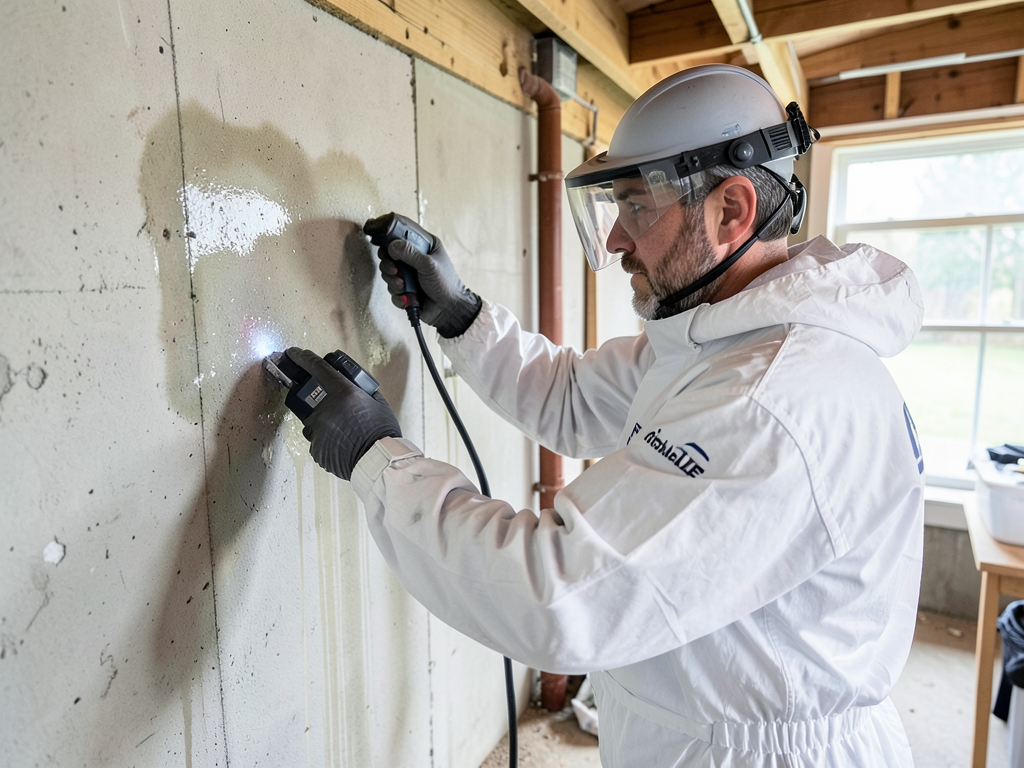
Professional teams use infrared cameras to detect moisture behind walls and under floors. This technology reveals contamination extent that visual inspection misses. Hidden moisture pockets continue breeding bacteria and producing odors long after surface cleaning appears complete.
Structural drying requires industrial equipment that removes moisture from building materials at the molecular level. Standard fans and dehumidifiers cannot extract water trapped in wood framing and concrete foundations. Professional drying prevents secondary damage like wood rot and concrete spalling. Managing industrial water damage and flood cleanup in Chelsea.
Antimicrobial treatments used by certified restoration companies are EPA-registered and specifically formulated for sewage contamination. These products penetrate porous surfaces and create protective barriers that prevent future microbial growth. Consumer-grade disinfectants wash away and provide no lasting protection.
Insurance coverage for sewage backup varies significantly. Most standard homeowner policies exclude sewage damage unless you carry specific riders. Professional restoration companies work directly with insurance adjusters to document damage and justify coverage for necessary repairs.
Diagnostic Checklist for Roslindale Homeowners
Check floor drains first. Remove the drain cover and shine a flashlight inside. If you see standing water, the trap is functioning. If the pipe appears dry or you see debris, the trap has failed and needs immediate attention.
Inspect plumbing vents from the ground. Look for visible blockages, damaged pipes, or missing vent caps. Vent pipes should extend at least 12 inches above the roof surface. Shorter vents often get overwhelmed during heavy rain.
Test for backflow by flushing toilets while someone watches basement drains. If water bubbles up through floor drains when toilets flush, you have a venting or blockage issue that worsens during rain events.
Check basement walls for moisture stains or efflorescence – the white powdery residue that indicates water infiltration. These signs suggest foundation cracks that allow groundwater entry during rain storms.
Listen for gurgling sounds in drains when using water fixtures. This indicates air trapped in pipes, often caused by partial blockages that worsen when stormwater enters the system.
Prevention Strategies for Roslindale Properties
Install backwater valves on all basement floor drains and fixtures below grade. Boston code now requires these devices for new construction, but many older homes lack this critical protection. Backwater valves automatically close when water tries to flow backward, preventing sewage backup.
Replace clay sewer lines with modern PVC piping. Clay pipes last 50-60 years before failing, and many Roslindale homes exceed this age. PVC pipes resist root intrusion and maintain proper flow even when groundwater levels rise.
Maintain plumbing vents by scheduling annual cleaning. Professional vent cleaning removes debris, nests, and ice buildup that can block gas escape routes. Clean vents reduce the likelihood of sewer gas backup during heavy rain.
Grade soil away from foundation walls to direct rainwater away from your home. The ground should slope at least 6 inches over 10 feet from your foundation. This simple landscaping change significantly reduces hydrostatic pressure against basement walls.
Install a battery backup for your sump pump. Power outages often accompany severe storms that cause the most damage. A backup system ensures continuous protection when you need it most.
Local Infrastructure and Roslindale’s Unique Challenges
Roslindale’s sewer infrastructure dates to the 1920s, with many pipes still using original vitrified clay construction. These pipes connect to Boston’s combined sewer system, which handles both sanitary waste and stormwater in the same pipes. During heavy rain, this system exceeds capacity and causes backups throughout the neighborhood. How to handle a sudden sewage backup in your Somerville home.
The area around the Roslindale Village commuter rail station sits in a low-lying area where historic brooks once drained toward the Neponset River. This topography creates natural collection points for stormwater, increasing pressure on nearby sewer lines during rainfall.
Washington Street and its tributaries experience the highest rates of sewer surcharge in Roslindale during nor’easters. The combination of old infrastructure, flat terrain, and concentrated development creates perfect conditions for basement backups and gas infiltration.
The Boston Water and Sewer Commission has identified Roslindale as a priority area for infrastructure upgrades, with several projects planned over the next decade. However, these improvements will not address the immediate risks facing homeowners with aging private sewer lines.
Local building codes require permits for any sewer line repairs or replacements. Working with licensed professionals ensures compliance with Boston regulations and prevents costly fines or failed inspections that could affect property values.
Emergency Response Steps
Evacuate immediately if you smell strong sewer odors combined with dizziness, nausea, or eye irritation. These symptoms indicate dangerous gas concentrations that require professional assessment before re-entry.
Shut off HVAC systems to prevent circulating contaminated air throughout your home. Turn off pilot lights on gas appliances to eliminate ignition sources for methane gas.
Document damage with photos and videos before beginning cleanup. This documentation supports insurance claims and helps restoration professionals assess the scope of necessary repairs.
Remove children, elderly family members, and pets from the affected area immediately. These vulnerable populations face higher risks from exposure to sewer gases and pathogens.
Call (617) 789-8099 for 24/7 emergency response. Professional teams arrive within 60 minutes with proper safety equipment and containment procedures to prevent cross-contamination.
Cost Factors and Insurance Considerations
Sewer backup damage restoration costs range from $2,000 to $15,000 depending on contamination extent and affected materials. Category 3 water damage requires complete removal of porous materials, significantly increasing restoration costs compared to clean water incidents.
Standard homeowner insurance policies exclude sewage backup unless you purchase specific riders. These riders typically cost $50 to $150 annually but can save tens of thousands in restoration costs when needed.
Professional assessment fees often get credited toward restoration work if you hire the same company. This makes initial inspections cost-effective even if you ultimately handle repairs yourself.
Permit fees for sewer line repairs range from $200 to $500 in Boston. Licensed contractors include these costs in their estimates, but DIY repairs can result in unexpected expenses and code violations.
Emergency service premiums apply to after-hours calls, but the additional cost often justifies itself through faster response times that minimize secondary damage like mold growth.
Long-term Solutions for Roslindale Homes
Full sewer line replacement costs $3,000 to $7,000 but eliminates recurring backup problems. Modern PVC lines last 50+ years and resist the root intrusion that plagues clay pipes in Roslindale’s mature neighborhoods.
Foundation waterproofing systems cost $5,000 to $15,000 but provide comprehensive protection against groundwater infiltration. These systems include exterior membranes, interior drainage channels, and sump pumps that work together to keep basements dry.
Plumbing system upgrades including vent stack replacement and trap installation cost $2,000 to $4,000 but address the root causes of sewer gas infiltration. These improvements prevent problems rather than just treating symptoms.
Landscape drainage improvements including French drains and regrading cost $3,000 to $8,000 but redirect water away from your foundation. These changes reduce hydrostatic pressure that forces gases through plumbing systems.
Annual maintenance contracts with restoration companies cost $300 to $500 annually but include priority service and discounted rates for emergency calls. This investment provides peace of mind and faster response when problems occur.
Frequently Asked Questions
Why does my basement only smell like sewer after heavy rain?
Heavy rain increases pressure in the municipal sewer system and saturates soil around your home’s foundation. This pressure forces sewer gases through dry traps, cracked pipes, or failed backwater valves that remain sealed during dry conditions.
Is sewer gas smell dangerous or just unpleasant?
Sewer gas poses serious health risks including hydrogen sulfide poisoning, methane explosion hazards, and exposure to harmful pathogens. The characteristic rotten egg smell indicates dangerous gas concentrations that require immediate professional attention.
Can I fix a sewer smell problem myself?
Minor issues like dry traps can be resolved with DIY methods, but persistent sewer smells indicate Category 3 water contamination requiring professional remediation. DIY approaches cannot achieve the safety standards necessary for sewage cleanup.
How quickly should I respond to a sewer smell in my basement?
Respond immediately. Sewer gas exposure poses health risks, and water contamination worsens by the hour. Call (617) 789-8099 for 24/7 emergency response to prevent escalating damage and protect your family’s health.
Will my insurance cover sewer backup damage?
Standard policies exclude sewage backup unless you carry specific riders. These riders cost $50 to $150 annually but provide essential coverage for the $2,000 to $15,000 restoration costs typical of Category 3 water damage.
How can I prevent future sewer backups in my Roslindale home?
Install backwater valves, replace aging clay pipes with PVC, maintain plumbing vents, grade soil away from your foundation, and consider foundation waterproofing. These improvements address the root causes of sewer gas infiltration and backup problems.
Don’t wait for the next storm to turn your basement into a health hazard. The sewer smell you notice today indicates a serious problem that will only worsen with the next heavy rainfall. Roslindale’s aging infrastructure and unique topography create perfect conditions for basement contamination that threatens your family’s health and your home’s value.
Professional restoration teams understand the specific challenges facing Roslindale homes built before modern building codes. We provide comprehensive solutions that eliminate odors, remove contamination, and prevent future problems through proper remediation techniques and infrastructure improvements.
Call (617) 789-8099 today to schedule your inspection. Our certified technicians arrive within 60 minutes with the equipment and expertise to diagnose your specific problem and provide immediate solutions. Don’t risk your family’s health or your home’s structural integrity by ignoring these warning signs.
Pick up the phone and call (617) 789-8099 before the next storm hits. The cost of professional remediation pales compared to the health risks, property damage, and potential liability of untreated sewage contamination in your home.
You may also find this helpful. Why Your Sump Pump Keeps Running Even When It Is Not Raining in Braintree.
{
“@context”: “https://schema.org”,
“@type”: “BlogPosting”,
“headline”: “Why your basement smells like a sewer after it rains in Roslindale”,
“description”: “Discover why your Roslindale basement smells like a sewer after rain and learn about the serious health risks. Professional sewage cleanup available 24/7.”,
“wordCount”: 2484,
“datePublished”: “2026-03-22T07:07:00.000Z”,
“dateModified”: “2026-03-22T07:07:00.000Z”,
“inLanguage”: “en-US”,
“mainEntityOfPage”: {
“@type”: “WebPage”,
“@id”: “https://firstchoicewaterdamagerestorationboston.com”
},
“publisher”: {
“@type”: “LocalBusiness”,
“name”: “First Choice Water Damage Restoration Boston”,
“url”: “https://firstchoicewaterdamagerestorationboston.com”
},
“author”: {
“@type”: “Organization”,
“name”: “First Choice Water Damage Restoration Boston”,
“url”: “https://firstchoicewaterdamagerestorationboston.com”
},
“image”: {
“@type”: “ImageObject”,
“url”: “https://firstchoicewaterdamagerestorationboston.com/wp-content/uploads/2026/03/why-your-basement-smells-like-a-sewer-after-it-rai-1.png”
}
}
{
“@context”: “https://schema.org”,
“@type”: “LocalBusiness”,
“name”: “First Choice Water Damage Restoration Boston”,
“url”: “https://firstchoicewaterdamagerestorationboston.com”,
“address”: {
“@type”: “PostalAddress”,
“addressLocality”: “Boston”
},
“areaServed”: {
“@type”: “City”,
“name”: “Boston”
}
}
{
“@context”: “https://schema.org”,
“@type”: “FAQPage”,
“mainEntity”: [
{
“@type”: “Question”,
“name”: “Why does my basement only smell like sewer after heavy rain?”,
“acceptedAnswer”: {
“@type”: “Answer”,
“text”: “Heavy rain increases pressure in the municipal sewer system and saturates soil around your home’s foundation. This pressure forces sewer gases through dry traps, cracked pipes, or failed backwater valves that remain sealed during dry conditions.”
}
},
{
“@type”: “Question”,
“name”: “Is sewer gas smell dangerous or just unpleasant?”,
“acceptedAnswer”: {
“@type”: “Answer”,
“text”: “Sewer gas poses serious health risks including hydrogen sulfide poisoning, methane explosion hazards, and exposure to harmful pathogens. The characteristic rotten egg smell indicates dangerous gas concentrations that require immediate professional attention.”
}
},
{
“@type”: “Question”,
“name”: “Can I fix a sewer smell problem myself?”,
“acceptedAnswer”: {
“@type”: “Answer”,
“text”: “Minor issues like dry traps can be resolved with DIY methods, but persistent sewer smells indicate Category 3 water contamination requiring professional remediation. DIY approaches cannot achieve the safety standards necessary for sewage cleanup.”
}
},
{
“@type”: “Question”,
“name”: “How quickly should I respond to a sewer smell in my basement?”,
“acceptedAnswer”: {
“@type”: “Answer”,
“text”: “Respond immediately. Sewer gas exposure poses health risks, and water contamination worsens by the hour. Call (617) 789-8099 for 24/7 emergency response to prevent escalating damage and protect your family’s health.”
}
},
{
“@type”: “Question”,
“name”: “Will my insurance cover sewer backup damage?”,
“acceptedAnswer”: {
“@type”: “Answer”,
“text”: “Standard policies exclude sewage backup unless you carry specific riders. These riders cost $50 to $150 annually but provide essential coverage for the $2,000 to $15,000 restoration costs typical of Category 3 water damage.”
}
},
{
“@type”: “Question”,
“name”: “How can I prevent future sewer backups in my Roslindale home?”,
“acceptedAnswer”: {
“@type”: “Answer”,
“text”: “Install backwater valves, replace aging clay pipes with PVC, maintain plumbing vents, grade soil away from your foundation, and consider foundation waterproofing. These improvements address the root causes of sewer gas infiltration and backup problems.”
}
}
]
}
{
“@context”: “https://schema.org”,
“@type”: “BreadcrumbList”,
“itemListElement”: [
{
“@type”: “ListItem”,
“position”: 1,
“name”: “Home”,
“item”: “https://firstchoicewaterdamagerestorationboston.com”
},
{
“@type”: “ListItem”,
“position”: 2,
“name”: “Blog”,
“item”: “https://firstchoicewaterdamagerestorationboston.com/blog”
},
{
“@type”: “ListItem”,
“position”: 3,
“name”: “Why your basement smells like a sewer after it rains in Roslindale”
}
]
}
{
“@context”: “https://schema.org”,
“@type”: “Service”,
“serviceType”: “Water Damage Restoration”,
“provider”: {
“@type”: “LocalBusiness”,
“name”: “First Choice Water Damage Restoration Boston”,
“url”: “https://firstchoicewaterdamagerestorationboston.com”
},
“areaServed”: {
“@type”: “City”,
“name”: “Boston”
},
“description”: “Discover why your Roslindale basement smells like a sewer after rain and learn about the serious health risks. Professional sewage cleanup available 24/7.”
}