
What to Do When Your HVAC Humidifier Leaks Through the Floor in Burlington
When water starts seeping through your floor from a furnace humidifier, every minute counts. In Burlington homes, these leaks often begin silently near the HVAC unit in basements or utility closets, then spread under floorboards, through drywall, and into insulation before you notice visible damage. The humid New England climate already challenges moisture control, and a malfunctioning humidifier can quickly turn a small drip into thousands in structural repairs.
The first priority is stopping the water source while protecting your floors from permanent damage. Burlington’s mix of older homes near the Middlesex Turnpike corridor and newer developments around the Burlington Mall means plumbing configurations vary widely. Some homes have bypass humidifiers integrated with the furnace, while others use power humidifiers with dedicated water lines. Both can fail, but the failure points differ. Professional sump pump failure cleanup for Newton homeowners.
Common Causes of Furnace Humidifier Leaks
Understanding what went wrong helps you communicate with technicians and prevent repeat failures. The most frequent culprits in Burlington homes include:. Read more about The Real Risk of PEX Pipe Failures in Newer Stoneham Homes.
- Solenoid Valve Failure
The electronic valve that controls water flow to the humidifier can stick open due to mineral buildup or electrical failure. When this happens, water continues flowing even when the furnace is off, creating a constant drip onto your floor.
- Clogged Drain Lines
Scale and mineral deposits from hard water block the drain tube that carries away excess water. Instead of draining properly, water backs up and overflows from the humidifier housing.
- Evaporator Pad Issues
The pad that holds water for evaporation can become saturated or misaligned, causing water to spill over the sides instead of being drawn into the air stream.
- High Water Pressure
Burlington’s municipal water pressure sometimes spikes, overwhelming the humidifier’s pressure regulator. This forces water through seals and gaskets designed for lower pressure.
EPA WaterSense guidelines recommend checking all water-using appliances quarterly, but most homeowners discover humidifier problems only after visible damage appears. By then, moisture may have traveled several feet from the source.

Technical Diagram: Cross-section showing solenoid valve location, drain line routing, and typical water flow paths in a bypass humidifier system.
Immediate Steps to Stop Water Damage in Your Burlington Home
Before calling for professional help, take these actions to minimize damage. Time is critical because moisture begins wicking into porous materials within 24-48 hours, creating ideal conditions for mold growth under EPA mold prevention standards.
- Locate the Humidifier Water Supply Valve
This is typically a small blue or red handle valve on the 1/4-inch copper line feeding the humidifier. Turn it clockwise until it stops. If you can’t find it, trace the water line from the humidifier back to where it connects to your home’s main water supply. How to handle a sudden sewage backup in your Somerville home.
- Shut Off the Furnace Power
Switch off the circuit breaker labeled “Furnace” or “HVAC” at your electrical panel. This prevents the system from cycling on and potentially causing more water flow through the solenoid valve.
- Remove Standing Water
Use towels, mops, or a wet vacuum to remove visible water. Focus on areas where water may have pooled against walls or under appliances.
- Protect Floor Surfaces
Place aluminum foil under furniture legs to prevent rust stains. Remove area rugs and any items that could stain wet flooring.
- Increase Air Circulation
Set up fans to blow across wet areas. This helps evaporate surface moisture while you wait for professional drying equipment.
Many Burlington homes have finished basements where leaks go unnoticed for days. The sound of dripping water may be masked by the furnace running, and water can travel along floor joists before emerging in unexpected locations. Check behind storage boxes, under stairs, and along wall bases for hidden moisture.
Why Humidifier Leaks Require Professional Restoration
Stopping the leak is only half the battle. Water that has already spread through your floor system requires specialized equipment and techniques to prevent long-term damage. Here’s why DIY cleanup often falls short:
| DIY Approach | Professional Restoration | Key Difference |
|---|---|---|
| Surface water removal with towels | Industrial extraction and moisture mapping | Detects hidden moisture in walls and subfloors |
| Household fans for drying | Commercial dehumidifiers and air movers | Removes moisture from building materials |
| No moisture testing | Moisture meters and thermal imaging | Confirms when materials are truly dry |
| Risk of incomplete drying | Monitored drying process | Prevents mold growth and structural damage |
Water traveling through floor systems in Burlington homes often follows paths created by plumbing chases, electrical conduits, and HVAC ductwork. A leak near your furnace might appear 15 feet away near an exterior wall because water followed the path of least resistance through your home’s structural cavities.
The IICRC S500 Standard for water damage restoration requires three days minimum for proper structural drying in most residential scenarios. This timeline ensures moisture content in materials returns to safe levels, preventing mold colonization and material degradation.
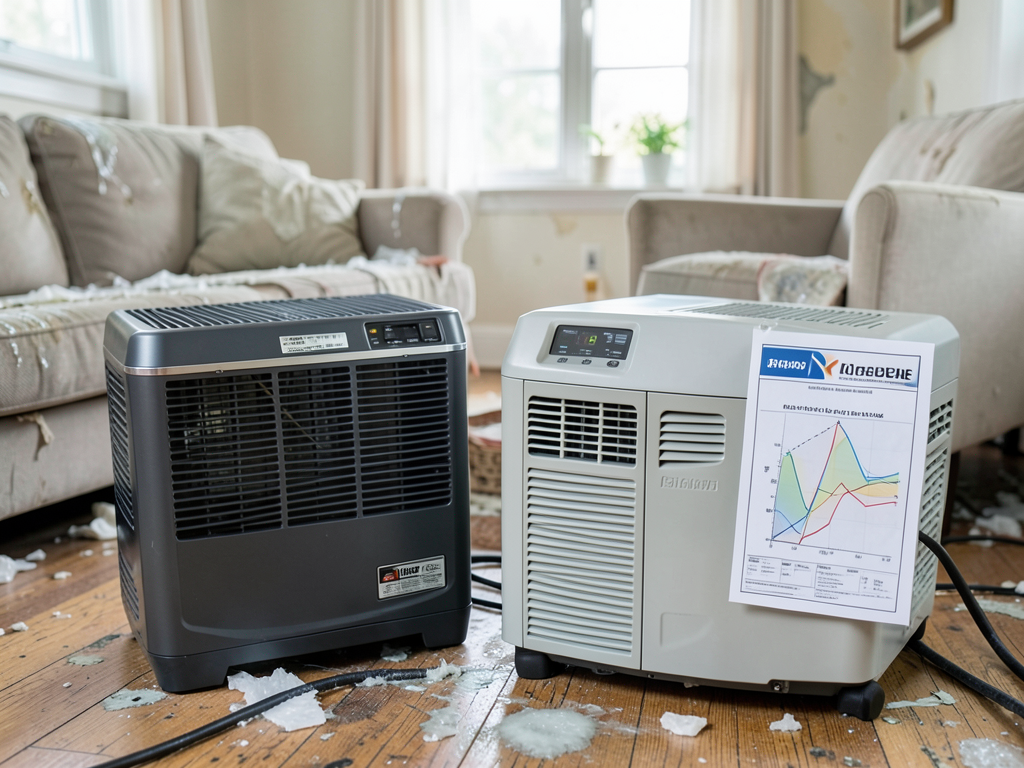
Moisture Detection Equipment: Technician using thermal imaging camera and moisture meter to locate hidden water in wall cavities and subfloor areas.
Our Burlington Water Damage Mitigation Process
First Choice Water Damage Restoration Boston follows a systematic approach that addresses both immediate water removal and long-term prevention of secondary damage. Our process is specifically calibrated for Burlington’s building stock and climate conditions. Getting immediate help for a burst pipe in your Back Bay brownstone.
- Emergency Inspection and Assessment
Within 60 minutes of your call, our IICRC-certified technicians arrive with moisture detection equipment. We map the extent of water migration using thermal imaging and moisture meters, identifying all affected areas even those hidden from view.
- Water Extraction and Removal
Using truck-mounted extraction units, we remove standing water and deeply embedded moisture from carpets, padding, and subfloors. This step alone can remove up to 95% of the water before drying begins.
- Demolition of Unsalvageable Materials
We remove wet drywall, insulation, and flooring materials that cannot be restored. This prevents mold growth in hidden areas and allows access to structural cavities for thorough drying.
- Structural Drying
Industrial dehumidifiers and high-velocity air movers create conditions that draw moisture from building materials. We monitor progress daily using moisture meters, adjusting equipment placement for optimal results. Managing industrial water damage and flood cleanup in Chelsea.
- Cleaning and Sanitization
All affected surfaces receive antimicrobial treatment to prevent mold growth. We use EPA-registered disinfectants that are safe for your family and pets.
- Reconstruction and Restoration
Once drying is complete, we replace removed materials and restore your home to its pre-loss condition. This includes new drywall, flooring, and any necessary painting or finishing work.
Burlington’s proximity to the Charles River and its position in the Mystic River watershed means groundwater levels can fluctuate seasonally. Homes in low-lying areas near the Burlington Reservoir may experience additional moisture challenges during spring thaws or heavy rains, making thorough drying even more critical.
Insurance Claims for HVAC Leaks
Many Burlington homeowners worry about insurance coverage for humidifier-related water damage. The distinction between sudden damage and gradual deterioration often determines coverage eligibility.
Sudden discharge from a failed solenoid valve or burst water line is typically covered under standard homeowners policies. However, damage from long-term neglect or lack of maintenance may be excluded. This is why immediate response matters – it demonstrates you took reasonable steps to prevent further damage. Steps to Take After a Flood.
Our team documents all damage using industry-standard protocols, including moisture readings, photos, and detailed reports. We provide this documentation directly to your insurance adjuster, streamlining the claims process. Many Burlington residents appreciate that we can often bill insurance companies directly, reducing out-of-pocket expenses during an already stressful time.
The Massachusetts Division of Insurance recommends documenting all communications with your insurance company and keeping receipts for emergency repairs. We help you maintain this documentation throughout the restoration process.
Before and After Restoration: Side-by-side comparison showing water-damaged flooring and walls before restoration, and the same area fully restored with new materials.
Preventing Future Humidifier Leaks
After restoration is complete, preventing future leaks becomes your next priority. Simple maintenance steps can extend the life of your humidifier and protect your home from repeat incidents.
- Replace the evaporator pad annually before heating season begins
- Check the drain line for clogs each spring and fall
- Test the solenoid valve by observing water flow when the furnace cycles on
- Install a water alarm near your furnace to provide early leak detection
- Consider upgrading to a newer humidifier model with automatic shut-off features
Many Burlington homes built between 1980 and 2000 still use original HVAC equipment that may be nearing the end of its service life. If your humidifier is over 15 years old, replacement might be more cost-effective than repeated repairs.
Water hardness in Burlington, which draws from the Massachusetts Water Resources Authority system, can accelerate mineral buildup in humidifier components. Installing a whole-house water softener or using distilled water in your humidifier can significantly extend component life.
Why Burlington Homeowners Trust Our Rapid Response
When water threatens your home, you need a team that understands local building practices and can arrive quickly. Our technicians live and work throughout the Burlington area, from the neighborhoods near the Wayside Commons shopping center to the developments along the Middlesex Turnpike.
We maintain fully stocked response vehicles positioned throughout Middlesex County, allowing us to reach most Burlington addresses within 45-60 minutes. Our familiarity with local architecture – from split-level ranches to contemporary colonials – means we know where to look for hidden moisture and how to protect your home’s unique features during restoration.
Every technician on our team holds current IICRC certifications in water damage restoration and continues training on the latest equipment and techniques. We understand that a humidifier leak in your home isn’t just about property damage – it’s about protecting your family’s health and your biggest investment.
Take Action Before More Damage Occurs
Water damage from a humidifier leak won’t fix itself. Each hour that passes allows moisture to spread deeper into your home’s structure, increasing repair costs and creating conditions for mold growth. The musty smell that appears days later is often the first sign that hidden damage has already occurred.
Our emergency response team is ready to help Burlington homeowners handle these situations quickly and professionally. We provide clear communication throughout the process, from the initial assessment to the final walkthrough when your home is restored to pre-loss condition.
Don’t let a small humidifier leak turn into a major renovation project. Call (617) 789-8099 today to schedule your inspection. Our team will arrive promptly, assess the damage, and create a restoration plan that protects your home and your peace of mind.
Pick up the phone and call (617) 789-8099 before the next storm hits. Burlington’s changing seasons can make existing moisture problems worse, and we’re here to help you stay ahead of potential damage.
Frequently Asked Questions
How long does it take to dry out water damage from a humidifier leak?
Most residential water damage requires 3-5 days for complete structural drying using professional equipment. The exact timeline depends on the extent of water migration, materials affected, and environmental conditions in your home.
Will my insurance cover humidifier leak damage?
Sudden discharge from mechanical failure is typically covered under standard homeowners policies. However, damage from lack of maintenance or gradual deterioration may be excluded. We document all damage and can assist with your insurance claim process.
Can I stay in my home during the restoration process?
In most cases, yes. Our restoration work is designed to minimize disruption to your daily life. We contain work areas and use air filtration equipment to maintain indoor air quality. We’ll let you know if any areas need to be vacated temporarily.
How can I tell if moisture has spread beyond the visible area?
Hidden moisture often causes paint bubbling, warping floorboards, or musty odors days after the initial leak. Professional moisture meters and thermal imaging can detect water in wall cavities and under flooring that isn’t visible to the naked eye.
What should I do if I notice my humidifier leaking again after restoration?
Immediately shut off the water supply to the humidifier and contact us right away. Even small recurring leaks can cause significant damage over time. Our team can assess whether repair or replacement of your humidifier system is the best long-term solution.
For more information about water damage prevention and restoration, visit the EPA WaterSense program or the IICRC’s homeowner resources.
You may also find this helpful. Spotting the Warning Signs of a Water Leak Under Your Acton Home Slab.
You may also find this helpful. Why Your Back Bay Refrigerator Icemaker Line is Leaking and How to Stop It.
{
“@context”: “https://schema.org”,
“@type”: “BlogPosting”,
“headline”: “What to Do When Your HVAC Humidifier Leaks Through the Floor in Burlington”,
“description”: “Is your furnace humidifier leaking in Burlington? Learn immediate shut-off steps, why leaks spread, and how our IICRC-certified team prevents mold and structural damage.”,
“wordCount”: 2068,
“datePublished”: “2026-05-29T15:46:00.000Z”,
“dateModified”: “2026-05-29T15:46:00.000Z”,
“inLanguage”: “en-US”,
“mainEntityOfPage”: {
“@type”: “WebPage”,
“@id”: “https://firstchoicewaterdamagerestorationboston.com”
},
“publisher”: {
“@type”: “LocalBusiness”,
“name”: “First Choice Water Damage Restoration Boston”,
“url”: “https://firstchoicewaterdamagerestorationboston.com”
},
“author”: {
“@type”: “Organization”,
“name”: “First Choice Water Damage Restoration Boston”,
“url”: “https://firstchoicewaterdamagerestorationboston.com”
},
“image”: {
“@type”: “ImageObject”,
“url”: “https://firstchoicewaterdamagerestorationboston.com/wp-content/uploads/2026/03/what-to-do-when-your-hvac-humidifier-leaks-through-1.png”
}
}
{
“@context”: “https://schema.org”,
“@type”: “LocalBusiness”,
“name”: “First Choice Water Damage Restoration Boston”,
“url”: “https://firstchoicewaterdamagerestorationboston.com”,
“address”: {
“@type”: “PostalAddress”,
“addressLocality”: “Boston”
},
“areaServed”: {
“@type”: “City”,
“name”: “Boston”
}
}
{
“@context”: “https://schema.org”,
“@type”: “FAQPage”,
“mainEntity”: [
{
“@type”: “Question”,
“name”: “How long does it take to dry out water damage from a humidifier leak?”,
“acceptedAnswer”: {
“@type”: “Answer”,
“text”: “Most residential water damage requires 3-5 days for complete structural drying using professional equipment. The exact timeline depends on the extent of water migration, materials affected, and environmental conditions in your home.”
}
},
{
“@type”: “Question”,
“name”: “Will my insurance cover humidifier leak damage?”,
“acceptedAnswer”: {
“@type”: “Answer”,
“text”: “Sudden discharge from mechanical failure is typically covered under standard homeowners policies. However, damage from lack of maintenance or gradual deterioration may be excluded. We document all damage and can assist with your insurance claim process.”
}
},
{
“@type”: “Question”,
“name”: “Can I stay in my home during the restoration process?”,
“acceptedAnswer”: {
“@type”: “Answer”,
“text”: “In most cases, yes. Our restoration work is designed to minimize disruption to your daily life. We contain work areas and use air filtration equipment to maintain indoor air quality. We’ll let you know if any areas need to be vacated temporarily.”
}
},
{
“@type”: “Question”,
“name”: “How can I tell if moisture has spread beyond the visible area?”,
“acceptedAnswer”: {
“@type”: “Answer”,
“text”: “Hidden moisture often causes paint bubbling, warping floorboards, or musty odors days after the initial leak. Professional moisture meters and thermal imaging can detect water in wall cavities and under flooring that isn’t visible to the naked eye.”
}
},
{
“@type”: “Question”,
“name”: “What should I do if I notice my humidifier leaking again after restoration?”,
“acceptedAnswer”: {
“@type”: “Answer”,
“text”: “Immediately shut off the water supply to the humidifier and contact us right away. Even small recurring leaks can cause significant damage over time. Our team can assess whether repair or replacement of your humidifier system is the best long-term solution.”
}
}
]
}
{
“@context”: “https://schema.org”,
“@type”: “HowTo”,
“name”: “Common Humidifier Leak Causes”,
“step”: [
{
“@type”: “HowToStep”,
“position”: 1,
“name”: “Solenoid Valve Failure”,
“text”: “The electronic valve that controls water flow to the humidifier can stick open due to mineral buildup or electrical failure. When this happens, water continues flowing even when the furnace is off, creating a constant drip onto your floor.”
},
{
“@type”: “HowToStep”,
“position”: 2,
“name”: “Clogged Drain Lines”,
“text”: “Scale and mineral deposits from hard water block the drain tube that carries away excess water. Instead of draining properly, water backs up and overflows from the humidifier housing.”
},
{
“@type”: “HowToStep”,
“position”: 3,
“name”: “Evaporator Pad Issues”,
“text”: “The pad that holds water for evaporation can become saturated or misaligned, causing water to spill over the sides instead of being drawn into the air stream.”
},
{
“@type”: “HowToStep”,
“position”: 4,
“name”: “High Water Pressure”,
“text”: “Burlington’s municipal water pressure sometimes spikes, overwhelming the humidifier’s pressure regulator. This forces water through seals and gaskets designed for lower pressure.”
}
],
“image”: “https://firstchoicewaterdamagerestorationboston.com/wp-content/uploads/2026/03/what-to-do-when-your-hvac-humidifier-leaks-through-1.png”
}
{
“@context”: “https://schema.org”,
“@type”: “BreadcrumbList”,
“itemListElement”: [
{
“@type”: “ListItem”,
“position”: 1,
“name”: “Home”,
“item”: “https://firstchoicewaterdamagerestorationboston.com”
},
{
“@type”: “ListItem”,
“position”: 2,
“name”: “Blog”,
“item”: “https://firstchoicewaterdamagerestorationboston.com/blog”
},
{
“@type”: “ListItem”,
“position”: 3,
“name”: “What to Do When Your HVAC Humidifier Leaks Through the Floor in Burlington”
}
]
}
{
“@context”: “https://schema.org”,
“@type”: “Service”,
“serviceType”: “Water Damage Restoration”,
“provider”: {
“@type”: “LocalBusiness”,
“name”: “First Choice Water Damage Restoration Boston”,
“url”: “https://firstchoicewaterdamagerestorationboston.com”
},
“areaServed”: {
“@type”: “City”,
“name”: “Boston”
},
“description”: “Is your furnace humidifier leaking in Burlington? Learn immediate shut-off steps, why leaks spread, and how our IICRC-certified team prevents mold and structural damage.”
}