
What to do when your Dorchester basement floods after a heavy storm
Heavy storms hit Dorchester hard every spring and fall. When water rushes down your street and pools around your foundation, your basement can flood within minutes. The first 24 hours matter most. Fast action can save your belongings and prevent mold growth. Here’s what to do right now.. Read more about The best way to clean up after a water heater explosion in Quincy.
Stop the water and protect yourself first
Before you step into standing water, shut off electricity to the basement. Water conducts electricity and creates a deadly shock hazard. Wear rubber boots and gloves. If you smell gas or see sparks, leave immediately and call the fire department. EPA mold guidelines.
Identify the water source. If it’s coming from outside through foundation cracks or window wells, the storm has overwhelmed your drainage. If it’s from a burst pipe or water heater, shut off your main water valve. For sewage backup, which often occurs in Dorchester’s older combined sewer areas, do not touch the water without proper protection.. Read more about What to expect from professional water damage services in Roxbury.
Document everything before cleanup
Take photos and videos of all damage before removing anything. Insurance companies need evidence of the initial condition. Capture water levels, damaged items, and structural issues. This documentation speeds up your claim process later.. Read more about Emergency basement water removal services in West Roxbury.
Move valuables to higher ground if water is still rising. Elevate furniture on blocks or remove it entirely. The longer items sit in water, the more damage they sustain.
Extract water immediately
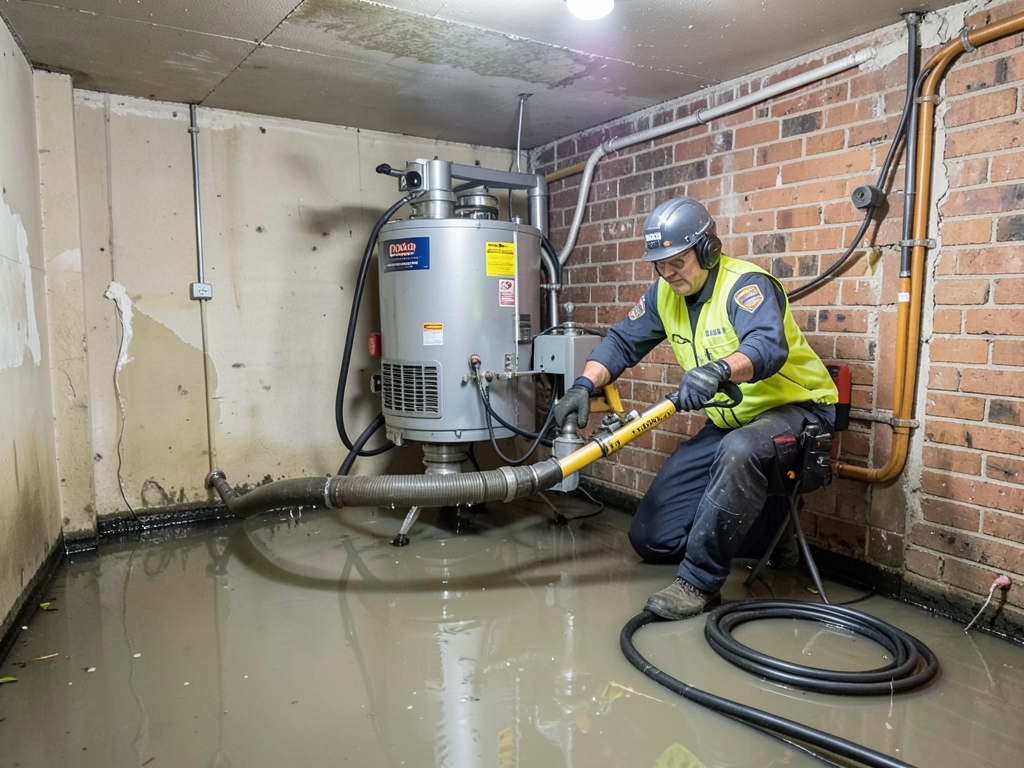
Time is critical. Water spreads quickly and seeps into porous materials. Use a wet vacuum if you have one, but for anything more than a few inches deep, professional extraction equipment is necessary. Standard household vacuums can’t handle significant water volume and may cause electrical hazards.
Professional water extraction uses truck-mounted pumps that remove thousands of gallons per hour. This prevents water from wicking up walls and into insulation. The extraction process also includes removing damaged carpet padding and other materials that trap moisture.
Start drying within hours
Once standing water is gone, the real battle begins. Moisture remains trapped in walls, floors, and contents. Without proper drying, mold can start growing within 24-48 hours according to EPA guidelines.
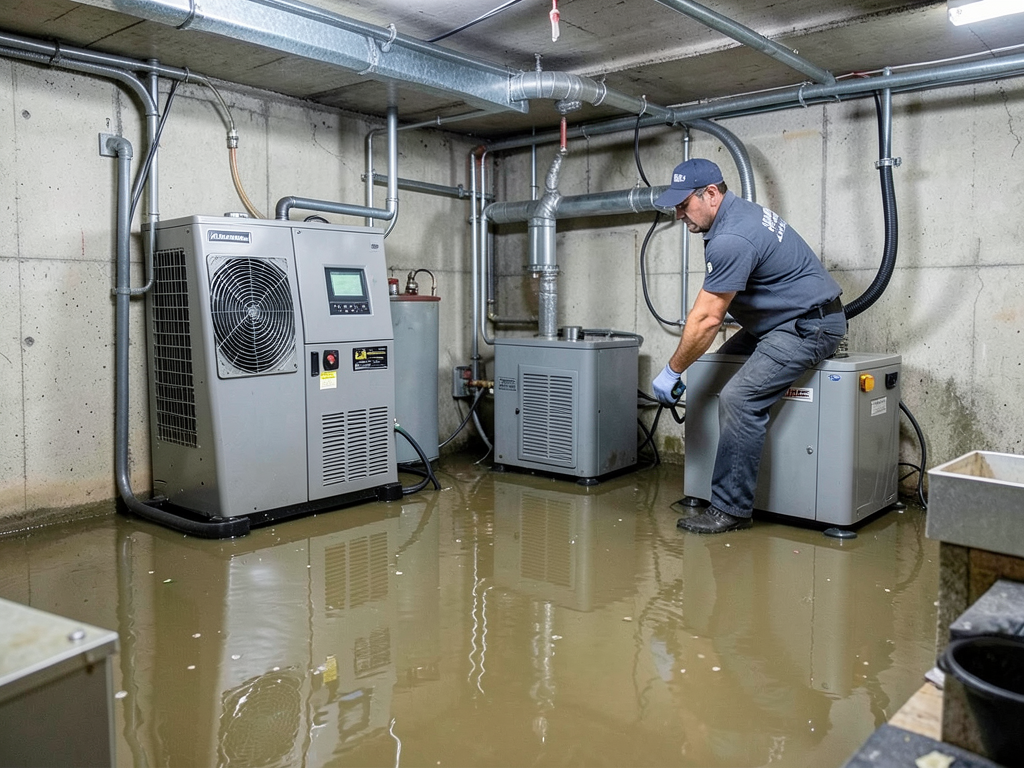
Professional drying uses industrial air movers and dehumidifiers. These machines create airflow patterns that evaporate moisture from surfaces and materials. Technicians monitor moisture levels with specialized meters to ensure complete drying. They check wall cavities, under flooring, and inside cabinets where moisture hides.
Temperature and humidity control matter. Warm, dry air accelerates evaporation. Professional equipment can reduce humidity to 30-40%, well below the 60% threshold where mold thrives.
Clean and sanitize thoroughly
Flood water carries contaminants. Storm water picks up bacteria, chemicals, and debris from streets and yards. Sewage backup introduces pathogens and creates Category 3 water damage, the most hazardous classification under IICRC S500 standards.
Professional cleaning uses antimicrobial treatments that kill bacteria and prevent mold growth. Technicians clean all affected surfaces, including areas you might not think need it. They treat HVAC systems to prevent contamination spread through your home’s air circulation.
Disposal of contaminated materials follows Massachusetts Department of Environmental Protection guidelines. Items like carpet, drywall, and insulation that contact contaminated water typically require removal and proper disposal.
Prevent future flooding
Dorchester’s location near the Neponset River and its aging infrastructure make basements vulnerable to flooding. Many homes built before 1950 have foundations that crack under hydrostatic pressure. The Boston Water and Sewer Commission reports that combined sewer overflows affect older neighborhoods during heavy rains. Boston Water and Sewer Commission.
Install a sump pump with battery backup if you don’t have one. Test it monthly. Clean your gutters and extend downspouts at least six feet from your foundation. Grade soil away from your house to direct water flow. Seal foundation cracks with hydraulic cement.
Consider a backwater valve to prevent sewage backup. These devices automatically close when water tries to flow back into your home. They’re especially important in Dorchester’s combined sewer areas where storm and sanitary sewers share pipes.
Know when to call professionals
DIY cleanup works for minor spills under 10 square feet. For anything larger, or if water touched electrical systems, walls, or HVAC equipment, call professionals. Water spreads beyond visible areas and causes hidden damage that leads to expensive repairs later.
Professional restoration companies arrive within 60 minutes in most Boston areas. They bring industrial equipment and follow industry standards that ensure complete restoration. They also handle insurance claims, documenting damage and communicating directly with adjusters.. Read more about Why local Boston homeowners trust us for emergency flood pumping.
The cost of professional cleanup ranges from $1,500 to $6,000 for typical basement floods, depending on water volume and contamination level. This investment prevents structural damage that could cost tens of thousands later.
Don’t wait for the next storm
Dorchester residents know our weather patterns. Heavy rains follow winter thaws. Spring nor’easters bring coastal flooding. Summer thunderstorms dump inches of rain in hours. Your basement is vulnerable every time these events occur.
Have a restoration company’s number saved in your phone. When water starts rising, you don’t want to search for help. Professional companies offer 24/7 emergency response because water damage doesn’t wait for business hours.
Consider a maintenance inspection before storm season. Technicians can identify vulnerabilities in your drainage system and recommend preventive measures. They check sump pumps, inspect foundation drainage, and assess your home’s flood risk level.
Frequently Asked Questions
How long does basement flood cleanup take?
Initial water extraction takes 2-4 hours. Complete drying requires 3-5 days with professional equipment. Total restoration, including repairs and reconstruction, typically takes 1-2 weeks depending on damage extent.
Will my insurance cover basement flooding?
Standard homeowners insurance covers sudden internal water damage like burst pipes. It typically excludes groundwater flooding and sewer backup. You need separate flood insurance for storm-related basement flooding. Check your policy details and consider adding coverage if you’re in a high-risk area.
Can I stay in my home during cleanup?
For minor flooding in unfinished basements, you might stay upstairs. For extensive damage or contamination, especially with sewage, you should relocate temporarily. The noise from drying equipment and air quality concerns make staying uncomfortable even when structurally safe.
What should I do if I find mold after a flood?
Do not disturb visible mold. Disturbing it releases spores into the air. Seal off the area and call professionals immediately. Mold remediation requires specialized containment, air filtration, and removal procedures to prevent spread throughout your home.
How can I prevent mold growth after a flood?
Remove standing water within 24 hours. Start professional drying within 48 hours. Maintain indoor humidity below 50% during restoration. Discard porous materials that contacted contaminated water. Use antimicrobial treatments on all affected surfaces.
Take action now before the next storm hits
Don’t let a flooded basement become a health hazard or destroy your home’s value. Every hour of delay increases damage and restoration costs. Dorchester’s weather patterns guarantee another heavy storm is coming.
First Choice Water Damage Restoration Boston responds 24/7 to basement flooding emergencies throughout Dorchester and surrounding Boston neighborhoods. Our certified technicians arrive within 60 minutes with industrial equipment to extract water, dry structures, and prevent mold growth.
We work directly with your insurance company to streamline claims and get you back to normal faster. Our team understands Dorchester’s unique flooding challenges from aging infrastructure and combined sewer systems.
Call (617) 789-8099 now for emergency basement flood cleanup in Dorchester. Don’t wait until water damages become irreversible. Fast action saves your belongings and your home’s structure.
Pick up the phone and call (617) 789-8099 before the next storm hits. Your home deserves immediate professional attention when flooding threatens your family’s health and safety.
You may also find this helpful. Restoring your property after storm damage in Charlestown.
{
“@context”: “https://schema.org”,
“@type”: “BlogPosting”,
“headline”: “What to do when your Dorchester basement floods after a heavy storm”,
“description”: “Don’t let a flooded basement in Dorchester turn into a disaster. Learn what to do immediately after a storm and why fast professional cleanup is critical.”,
“wordCount”: 1262,
“datePublished”: “2026-02-13T09:22:00.000Z”,
“dateModified”: “2026-02-13T09:22:00.000Z”,
“inLanguage”: “en-US”,
“mainEntityOfPage”: {
“@type”: “WebPage”,
“@id”: “https://firstchoicewaterdamagerestorationboston.com”
},
“publisher”: {
“@type”: “LocalBusiness”,
“name”: “First Choice Water Damage Restoration Boston”,
“url”: “https://firstchoicewaterdamagerestorationboston.com”
},
“author”: {
“@type”: “Organization”,
“name”: “First Choice Water Damage Restoration Boston”,
“url”: “https://firstchoicewaterdamagerestorationboston.com”
},
“image”: {
“@type”: “ImageObject”,
“url”: “https://firstchoicewaterdamagerestorationboston.com/wp-content/uploads/2026/03/what-to-do-when-your-dorchester-basement-floods-af-1.png”
}
}
{
“@context”: “https://schema.org”,
“@type”: “LocalBusiness”,
“name”: “First Choice Water Damage Restoration Boston”,
“url”: “https://firstchoicewaterdamagerestorationboston.com”,
“address”: {
“@type”: “PostalAddress”,
“addressLocality”: “Boston”
},
“areaServed”: {
“@type”: “City”,
“name”: “Boston”
}
}
{
“@context”: “https://schema.org”,
“@type”: “FAQPage”,
“mainEntity”: [
{
“@type”: “Question”,
“name”: “How long does basement flood cleanup take?”,
“acceptedAnswer”: {
“@type”: “Answer”,
“text”: “Initial water extraction takes 2-4 hours. Complete drying requires 3-5 days with professional equipment. Total restoration, including repairs and reconstruction, typically takes 1-2 weeks depending on damage extent.”
}
},
{
“@type”: “Question”,
“name”: “Will my insurance cover basement flooding?”,
“acceptedAnswer”: {
“@type”: “Answer”,
“text”: “Standard homeowners insurance covers sudden internal water damage like burst pipes. It typically excludes groundwater flooding and sewer backup. You need separate flood insurance for storm-related basement flooding. Check your policy details and consider adding coverage if you’re in a high-risk area.”
}
},
{
“@type”: “Question”,
“name”: “Can I stay in my home during cleanup?”,
“acceptedAnswer”: {
“@type”: “Answer”,
“text”: “For minor flooding in unfinished basements, you might stay upstairs. For extensive damage or contamination, especially with sewage, you should relocate temporarily. The noise from drying equipment and air quality concerns make staying uncomfortable even when structurally safe.”
}
},
{
“@type”: “Question”,
“name”: “What should I do if I find mold after a flood?”,
“acceptedAnswer”: {
“@type”: “Answer”,
“text”: “Do not disturb visible mold. Disturbing it releases spores into the air. Seal off the area and call professionals immediately. Mold remediation requires specialized containment, air filtration, and removal procedures to prevent spread throughout your home.”
}
},
{
“@type”: “Question”,
“name”: “How can I prevent mold growth after a flood?”,
“acceptedAnswer”: {
“@type”: “Answer”,
“text”: “Remove standing water within 24 hours. Start professional drying within 48 hours. Maintain indoor humidity below 50% during restoration. Discard porous materials that contacted contaminated water. Use antimicrobial treatments on all affected surfaces.”
}
}
]
}
{
“@context”: “https://schema.org”,
“@type”: “BreadcrumbList”,
“itemListElement”: [
{
“@type”: “ListItem”,
“position”: 1,
“name”: “Home”,
“item”: “https://firstchoicewaterdamagerestorationboston.com”
},
{
“@type”: “ListItem”,
“position”: 2,
“name”: “Blog”,
“item”: “https://firstchoicewaterdamagerestorationboston.com/blog”
},
{
“@type”: “ListItem”,
“position”: 3,
“name”: “What to do when your Dorchester basement floods after a heavy storm”
}
]
}
{
“@context”: “https://schema.org”,
“@type”: “Service”,
“serviceType”: “Water Damage Restoration”,
“provider”: {
“@type”: “LocalBusiness”,
“name”: “First Choice Water Damage Restoration Boston”,
“url”: “https://firstchoicewaterdamagerestorationboston.com”
},
“areaServed”: {
“@type”: “City”,
“name”: “Boston”
},
“description”: “Don’t let a flooded basement in Dorchester turn into a disaster. Learn what to do immediately after a storm and why fast professional cleanup is critical.”
}