
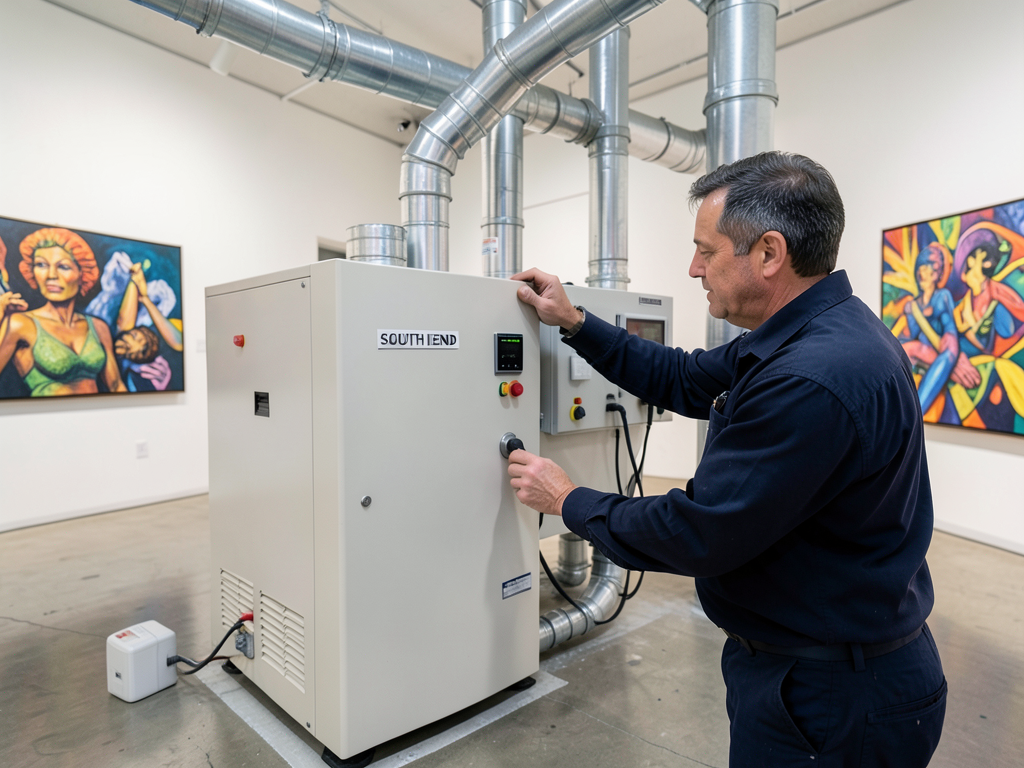
Protecting Fine Art and Gallery Spaces from Humidity Damage in the South End
The South End’s historic brick buildings and coastal climate create a perfect storm for fine art damage. High humidity levels in Boston’s 02118 and 02116 zip codes can cause canvas sagging, mold growth on paper, and wood panel warping within days. Fine art needs stable conditions between 45-55% relative humidity and 65-70°F temperature to prevent irreversible damage.
Museum-quality humidity control goes far beyond standard dehumidifiers. Professional systems use precision sensors, desiccant technology, and 24/7 monitoring to maintain consistent conditions even during Boston’s humid summers and freeze-thaw winters. The South End’s proximity to the Charles River and Back Bay Fens creates microclimate challenges that require specialized solutions. Professional sump pump failure cleanup for Newton homeowners.
Fine art collections in South End brownstones face unique threats from aging plumbing systems and historic building materials. Many structures built before 1940 contain porous masonry that absorbs moisture during heavy rains. This creates condensation on interior walls where artwork hangs, leading to foxing on prints and canvas deterioration.
Professional humidity control for art spaces involves more than just equipment installation. It requires understanding the specific materials in your collection, the building’s construction, and Boston’s seasonal weather patterns. A watercolor on paper needs different conditions than an oil painting on canvas or a wooden sculpture.. Read more about Why Your Jamaica Plain Water Pipes are Sweating and How to Stop the Drip.
The cost of proper humidity control is minimal compared to restoration of damaged artwork. A single watercolor restoration can cost thousands while prevention through professional monitoring costs a fraction of that annually. South End galleries and collectors need systems that can detect problems before visible damage occurs.. Read more about What to Do When Your HVAC Humidifier Leaks Through the Floor in Burlington.
Emergency response becomes critical when humidity spikes suddenly. A burst pipe in a neighboring unit or a failed HVAC system can raise humidity from safe levels to dangerous 70%+ in hours. Professional restoration teams use industrial desiccant dehumidifiers and precise monitoring to stabilize conditions before permanent damage occurs. How to handle a sudden sewage backup in your Somerville home.
South End art spaces benefit from local expertise in historic building preservation. Understanding how Boston’s 1970s building code addressed moisture control in masonry structures helps prevent modern humidity problems. Many South End properties require customized solutions that work with existing architecture rather than against it.
Smart monitoring technology now allows real-time tracking of humidity levels through smartphone apps. Collectors receive alerts when conditions drift outside safe ranges, enabling immediate intervention. This technology is especially valuable for South End brownstones where temperature variations between floors can create humidity differentials. Getting immediate help for a burst pipe in your Back Bay brownstone.
Professional humidity control services include regular maintenance and calibration of monitoring equipment. Sensors drift over time, and calibration ensures accuracy. Annual service checks prevent system failures during critical periods like Boston’s humid July and August months.
The South End’s arts community relies on specialized knowledge of both art preservation and building science. Local providers understand the specific challenges of maintaining stable conditions in historic structures while meeting modern preservation standards. This expertise comes from years of working with Boston’s unique climate and building stock.
Insurance considerations also play a role in humidity control decisions. Many fine art policies require documented climate control measures. Professional monitoring provides the documentation insurers need to process claims if damage does occur despite preventive measures.
Energy efficiency matters for long-term humidity control. Modern museum-grade systems use variable-speed compressors and smart controls to minimize energy use while maintaining precise conditions. This is especially important in South End buildings where electrical capacity may be limited by historic preservation requirements.
Training for staff and collectors helps maintain proper conditions between professional service visits. Understanding basic humidity principles and warning signs allows early intervention before problems escalate. This education component is often overlooked but critical for long-term success.
The South End’s vibrant arts scene deserves protection that matches the value of its collections. Professional humidity control isn’t just about equipment; it’s about preserving cultural heritage for future generations. The investment in proper systems pays dividends in preserved artwork and peace of mind.
Call (617) 789-8099 today to schedule your humidity assessment. Our South End specialists understand the unique challenges of protecting fine art in Boston’s historic buildings. Don’t wait until humidity damage becomes visible to take action.
Understanding Boston’s Humidity Challenges for Art Preservation
Boston’s coastal location creates year-round humidity challenges that threaten fine art collections. The South End experiences average relative humidity levels of 65-75% during summer months, well above the 45-55% range recommended for most artwork. This persistent moisture in the air creates conditions where mold can grow on paper within 48 hours.
Winter presents different challenges. Cold exterior walls in South End brownstones can drop below dew point, causing condensation where artwork hangs. This hidden moisture damage often goes unnoticed until canvas sagging or paper discoloration becomes visible. Professional humidity control systems must address both seasonal extremes.
The Charles River and Back Bay Fens create localized humidity pockets throughout the South End. Properties near these water bodies experience higher moisture levels than those further inland. This geographic variation means humidity control solutions must be customized for each location rather than using one-size-fits-all approaches.
Historic building materials in South End properties absorb and release moisture differently than modern construction. Original wood framing, plaster walls, and brick masonry create a complex moisture management challenge. Professional systems must work with these materials rather than fighting against their natural properties.
Urban heat island effects in Boston can raise nighttime temperatures by several degrees compared to surrounding areas. This temperature variation affects relative humidity levels and creates conditions where condensation forms on cool surfaces. Understanding these microclimatic factors is essential for effective humidity control.
Professional humidity control for art spaces requires continuous monitoring and adjustment. Systems must respond to weather changes, occupancy patterns, and seasonal variations. The South End’s proximity to the ocean means rapid humidity changes can occur when wind patterns shift, requiring responsive control systems.
Energy costs for humidity control in Boston can be significant, especially for larger collections. Modern systems use smart controls to minimize energy use while maintaining precise conditions. This efficiency becomes especially important in historic buildings where electrical upgrades may be limited by preservation requirements.
The cost of humidity damage to fine art extends beyond the artwork itself. Restoration work often requires removing pieces from display, disrupting gallery operations and potentially affecting revenue. Prevention through professional humidity control protects both the art and the business operations of South End galleries.
Professional humidity control services include emergency response capabilities. When systems fail or unexpected moisture events occur, rapid response prevents cascading damage. This 24/7 availability is essential for protecting valuable collections that cannot tolerate even brief exposure to improper conditions.
Training for art handlers and gallery staff helps maintain proper conditions between professional service visits. Understanding basic humidity principles and warning signs allows early intervention before problems escalate. This education component is often overlooked but critical for long-term success.
The South End’s arts community benefits from local expertise in both art preservation and building science. Providers who understand Boston’s specific climate challenges can offer solutions that work effectively in this unique environment. This localized knowledge comes from years of experience with South End properties.
Call (617) 789-8099 to learn how our humidity control specialists can protect your fine art collection. We understand the specific challenges facing South End galleries and collectors and can provide customized solutions that preserve your valuable artwork.
Museum-Grade Equipment for South End Art Spaces
Museum-grade humidity control equipment differs significantly from standard residential dehumidifiers. Professional systems use desiccant technology that can maintain precise humidity levels regardless of outside conditions. These systems can achieve 35-45% relative humidity in summer when standard units struggle to reach 50%.
Desiccant dehumidifiers use silica gel wheels to remove moisture from air without cooling it first. This allows them to operate effectively in cold conditions where refrigerant-based systems would freeze. For South End properties with basement storage or ground-floor galleries, this capability is essential.
Precision sensors in museum-grade systems measure humidity to within 1% accuracy. This level of control prevents the gradual drift that occurs with standard equipment. For fine art, even small variations in humidity can cause materials to expand and contract, leading to stress and eventual damage.
Smart controls in professional systems learn occupancy patterns and weather forecasts to optimize operation. They can pre-condition spaces before humidity spikes or reduce operation during periods of stable conditions. This intelligent operation reduces energy costs while maintaining optimal preservation conditions.
Redundant systems provide backup protection for valuable collections. If primary equipment fails, secondary units automatically activate to maintain conditions. This redundancy is standard in museum installations but rare in residential applications, making it a key differentiator for professional services.
Remote monitoring allows 24/7 oversight of humidity conditions. Systems send alerts when conditions drift outside preset ranges, enabling immediate intervention. For South End collectors who travel frequently, this remote capability provides peace of mind that their collections remain protected.
Air filtration in museum-grade systems removes particulates that can damage artwork. HEPA filtration captures mold spores, dust, and other contaminants that standard systems miss. This additional protection is especially important in urban environments like the South End where outdoor air quality can vary significantly. EPA mold guidelines.
Integration with existing HVAC systems allows comprehensive environmental control. Professional systems can work with or replace existing equipment to achieve optimal conditions. This integration is essential in South End brownstones where space for additional equipment may be limited.
Energy recovery ventilators in museum systems capture heat and moisture from exhaust air to pre-condition incoming air. This technology reduces energy consumption while maintaining air quality. For South End properties where energy costs are a concern, this efficiency is a significant benefit.
Professional installation ensures systems operate as designed. Proper ductwork design, equipment sizing, and control programming are essential for achieving museum-grade conditions. DIY installation or using general contractors often results in systems that cannot maintain the precision required for fine art preservation.
Maintenance contracts for museum-grade equipment include regular calibration and performance verification. Sensors drift over time, and calibration ensures continued accuracy. This ongoing service is essential for maintaining the conditions that protect valuable artwork investments.
Call (617) 789-8099 to discuss museum-grade humidity control options for your South End art space. Our specialists can design systems that protect your collection while working within the constraints of historic Boston buildings.
Emergency Response for Humidity Damage in South End Properties
Emergency humidity damage requires immediate professional response to prevent permanent artwork loss. When humidity spikes above 65% or temperature fluctuates more than 5 degrees rapidly, materials in fine art begin to expand and contract at different rates. This differential movement causes cracking, warping, and delamination within hours.
Professional emergency teams arrive within 60 minutes of notification. They bring industrial-grade desiccant dehumidifiers capable of removing 100+ pints of moisture per day from affected spaces. These high-capacity units can stabilize conditions in large gallery spaces or multiple rooms affected by a single event. Managing industrial water damage and flood cleanup in Chelsea.
Initial assessment includes moisture mapping using thermal imaging cameras and hygrometers. Technicians identify not just obvious problem areas but also hidden moisture in wall cavities and under flooring where artwork may be stored. This comprehensive approach ensures all affected areas receive treatment.
Containment strategies prevent humidity from spreading to unaffected areas. Physical barriers, negative air pressure, and targeted dehumidification isolate the problem while protecting adjacent spaces. This containment is especially important in South End brownstones where air moves freely between connected units.
Documenting damage conditions provides essential information for insurance claims and restoration planning. Professional teams photograph affected artwork, measure humidity levels, and record temperature data. This documentation proves invaluable when working with insurers or restoration specialists who may not see the damage immediately after the event. Steps to Take After a Flood.
Specialized drying chambers can be created for particularly sensitive artwork. These controlled environments allow precise manipulation of temperature and humidity to stabilize materials without causing additional stress. For South End galleries with mixed media collections, this targeted approach prevents one artwork’s treatment from affecting others.
Monitoring during emergency response continues 24/7 until conditions stabilize. Technicians track humidity levels, temperature, and airflow patterns to ensure the environment returns to safe ranges. This constant oversight prevents the secondary damage that often occurs when conditions fluctuate during recovery.
Coordination with art conservators becomes essential for valuable or damaged pieces. Professional teams work directly with conservation specialists to ensure drying protocols match the specific needs of each artwork type. This collaboration prevents well-intentioned drying efforts from causing additional harm.
Post-emergency recommendations help prevent future incidents. Teams identify system vulnerabilities, recommend equipment upgrades, and suggest operational changes to reduce risk. For South End properties, this might include upgrading plumbing in adjacent units or improving building envelope performance.
Insurance coordination streamlines the recovery process. Professional teams understand how to document damage for insurance purposes and can communicate effectively with adjusters. This expertise reduces the administrative burden on gallery owners during an already stressful time.
Preventive measures installed after emergency response provide long-term protection. These might include upgraded monitoring systems, backup power supplies, or improved building systems that reduce the likelihood of future incidents. The goal is not just recovery but improved resilience.
Call (617) 789-8099 for emergency humidity damage response in the South End. Our teams are ready 24/7 to protect your fine art collection from the damaging effects of sudden humidity changes.
Cost Considerations for Professional Humidity Control
Professional humidity control represents a significant investment but pales compared to potential artwork restoration costs. A comprehensive system for a 1,500 square foot gallery space typically costs between $15,000 and $30,000 installed. This investment protects artwork that may be worth hundreds of thousands or millions of dollars.
Energy costs for museum-grade systems average $100-200 monthly for typical gallery spaces. Modern systems use smart controls to minimize operation during stable conditions while maintaining readiness for rapid response. This efficiency helps offset the higher upfront costs compared to standard dehumidification.
Maintenance contracts for professional systems cost $500-1,000 annually. These contracts include sensor calibration, filter replacement, and performance verification. Regular maintenance prevents the system failures that could expose artwork to damaging conditions during critical periods.
Emergency response services typically charge $500-1,000 for after-hours calls plus equipment and labor costs. While this seems expensive, it’s minimal compared to the potential loss of artwork value from delayed response. Many collectors view this as essential insurance for their collections.
Insurance premium reductions may offset some humidity control costs. Many fine art insurers offer discounts for documented climate control measures. These savings can amount to 10-15% of annual premiums, providing ongoing financial benefits that help justify the initial investment.. Read more about Saving a Luxury Walk In Closet and Designer Wardrobe After a Pipe Burst in Chestnut Hill.
Energy efficiency improvements in modern systems provide long-term cost savings. Variable-speed compressors and smart controls can reduce energy use by 30-50% compared to older equipment. These savings accumulate over the system’s 15-20 year lifespan, improving the overall return on investment.
Space requirements for professional equipment must be considered in cost planning. Museum-grade systems require dedicated mechanical spaces and may need electrical upgrades. In South End brownstones, these requirements can add $5,000-10,000 to installation costs due to the challenges of working in historic structures.
Monitoring system costs range from $500 for basic setups to $5,000 for comprehensive remote monitoring with mobile alerts. These systems provide the early warning that prevents damage, making them essential rather than optional for serious collectors. The peace of mind they provide is difficult to quantify but valuable.
Training costs for staff or family members who will operate the systems typically run $500-1,000. This training ensures proper response to system alerts and basic troubleshooting capabilities. Well-trained users can prevent many minor issues from escalating into major problems.
Financing options make professional systems more accessible. Many providers offer payment plans that spread costs over several years. When compared to the potential loss from a single humidity event, these financing options become more attractive for serious collectors.
The value preservation aspect of humidity control often justifies the investment. Artwork typically appreciates over time, and maintaining optimal conditions helps preserve this appreciation. For collections with significant monetary or sentimental value, this preservation aspect alone can justify professional humidity control.
Call (617) 789-8099 to discuss humidity control options that fit your budget and collection needs. We can help you understand the costs and benefits of professional systems for your South End art space.
Local South End Success Stories and Case Studies
A South End gallery on West Dedham Street experienced chronic humidity problems despite using standard dehumidifiers. The 1890s brick building’s porous masonry absorbed moisture during rainy periods, causing canvas paintings to develop mold spots. Professional assessment revealed the need for desiccant dehumidification and vapor barrier installation in the basement.
The solution involved installing a 200-pint per day desiccant unit with dedicated ductwork to the main gallery space. Smart controls maintained 48% relative humidity year-round, eliminating the mold problems. The gallery owner reported no artwork damage in the three years since installation, compared to annual restoration costs before the upgrade.
A private collector on Union Park experienced a pipe burst in an adjacent unit that raised humidity to 72% overnight. The emergency response team arrived within 45 minutes and set up containment barriers to protect unaffected artwork. Industrial dehumidifiers stabilized conditions within 12 hours, preventing damage to a $250,000 watercolor collection.
The incident revealed inadequate monitoring in the collector’s space. Post-emergency installation included a comprehensive monitoring system with mobile alerts. The collector now receives notifications when humidity drifts outside 45-55% range, allowing intervention before conditions become dangerous.
A South End art storage facility on Harrison Avenue struggled with seasonal humidity swings that affected inventory quality. Standard systems couldn’t maintain consistent conditions during Boston’s humid summers. Professional assessment recommended a dedicated outdoor air system with enthalpy wheels to precondition incoming air.
The new system maintains 50% relative humidity year-round while reducing energy costs by 35%. The facility owner reports improved artwork condition and reduced insurance claims since installation. The system paid for itself within three years through energy savings and prevented damage costs.
A historic brownstone on Montgomery Street converted its ground floor to gallery space while preserving the residential upper floors. The challenge involved maintaining museum conditions in the gallery without affecting the residential comfort above. The solution used zoned systems with dedicated controls for each space.
The installation required careful ductwork routing through existing wall cavities to preserve historic character. Smart controls coordinate between zones to prevent cross-contamination while maintaining optimal conditions in each space. The gallery now hosts traveling exhibitions requiring precise climate control.
A South End artist collective on Shawmut Avenue needed affordable humidity control for multiple artists’ workspaces. The solution involved a centralized system with individual zone controls for each artist’s area. This shared approach reduced individual costs while providing professional-grade environmental control.
The collective reports improved artwork quality and reduced material waste since installation. Artists working with sensitive materials like paper and wood report fewer failures due to environmental conditions. The system has become a selling point for attracting new members to the collective.
A South End law firm with significant artwork collection in its offices needed discreet humidity control. The solution involved integrating controls with existing HVAC systems and using low-profile equipment that maintained the professional appearance of the space. Remote monitoring provides the firm’s facilities team with real-time environmental data.
The installation preserved the artwork while maintaining comfortable conditions for staff and clients. The firm reports improved client satisfaction and reduced artwork maintenance costs since installation. The system’s reliability has eliminated concerns about artwork damage during non-business hours.
Call (617) 789-8099 to learn how we’ve helped South End galleries, collectors, and businesses protect their valuable artwork through professional humidity control. Our local experience means we understand the specific challenges of Boston’s historic buildings and coastal climate.
Frequently Asked Questions
What humidity level is safe for fine art storage?
Most fine art requires 45-55% relative humidity for safe long-term storage. Paper artwork needs slightly lower levels around 40-50%, while oil paintings can tolerate 45-60%. Rapid humidity changes are more damaging than slightly incorrect levels, so stability matters more than hitting exact numbers.
How quickly can humidity damage artwork?
Damage can begin within 24-48 hours of exposure to improper conditions. Mold can grow on paper at 70% relative humidity within two days. Canvas can develop mold spots within a week at high humidity. The damage often starts invisibly and becomes apparent only after significant deterioration occurs.
Can I use regular dehumidifiers for art spaces?
Standard dehumidifiers cannot maintain the precise conditions required for fine art. They typically achieve 50-60% relative humidity but cannot maintain stable conditions within 1-2% accuracy. Museum-grade systems use desiccant technology and precision controls that standard units lack, making them essential for valuable collections.
How much does professional humidity control cost?
Complete systems for gallery spaces typically cost $15,000-30,000 installed. This includes equipment, installation, controls, and initial setup. Monthly energy costs average $100-200, with annual maintenance around $500-1,000. Emergency response services cost $500-1,000 for after-hours calls.
Do I need humidity control if I have air conditioning?
Standard air conditioning provides some dehumidification but cannot maintain the precise conditions required for fine art. AC systems are designed for human comfort, not artwork preservation. They typically cannot achieve or maintain the 45-55% relative humidity range that protects most artwork from damage.
How often should humidity control equipment be serviced?
Professional systems need quarterly inspections and annual comprehensive service. Quarterly checks include filter replacement and basic system verification. Annual service involves sensor calibration, control programming verification, and performance testing. This maintenance schedule prevents the system failures that could damage artwork.
What happens if humidity control fails at night or on weekends?
Without monitoring, humidity problems can go unnoticed for hours or days. Professional systems include 24/7 monitoring with mobile alerts that notify you immediately of problems. Emergency response teams are available around the clock to address failures before they cause permanent damage to artwork.
Can humidity control help with insurance requirements?
Many fine art insurers require documented climate control measures for coverage. Professional humidity control systems provide the documentation insurers need, including monitoring records and maintenance logs. Some insurers offer premium discounts for properly documented climate control, potentially offsetting system costs.
How do I know if my current humidity levels are safe?
Professional assessment using precision hygrometers can measure your current conditions. Signs of problems include condensation on windows, musty odors, or visible mold growth. For valuable collections, professional monitoring provides continuous data rather than occasional spot checks, catching problems before they cause damage.
What makes South End buildings unique for humidity control?
South End buildings feature historic brick construction, porous masonry, and often lack modern vapor barriers. Their proximity to the Charles River and Back Bay Fens creates localized humidity challenges. Many structures have mixed-use configurations requiring zoned systems that maintain different conditions in adjacent spaces.
Protecting Your Investment Through Professional Humidity Control
Fine art represents both financial and cultural investments that deserve professional protection. South End’s historic buildings and coastal climate create unique challenges that require specialized knowledge and equipment. Standard dehumidification cannot provide the precise conditions needed to preserve valuable artwork for future generations.
The cost of professional humidity control is minimal compared to artwork restoration or replacement. A comprehensive system protects not just individual pieces but entire collections from the damaging effects of Boston’s humidity swings. This protection preserves both monetary value and cultural heritage.
Professional systems offer benefits beyond simple moisture removal. Smart controls, remote monitoring, and emergency response capabilities provide comprehensive protection that adapts to changing conditions. This sophisticated approach prevents the gradual damage that often goes unnoticed until it becomes severe.
Local expertise matters when protecting South End art spaces. Understanding Boston’s specific climate patterns, building construction methods, and seasonal variations allows for customized solutions that work effectively in this unique environment. Generic approaches often fail to address the specific challenges of historic Boston properties.
Investment in professional humidity control pays dividends through preserved artwork value, reduced restoration costs, and peace of mind. For serious collectors and gallery owners, this protection is not optional but essential for responsible collection management. The technology exists to provide this protection effectively and efficiently.
Emergency response capabilities provide critical protection when unexpected events occur. Whether from plumbing failures, HVAC malfunctions, or severe weather, rapid professional response can prevent permanent damage to valuable collections. This 24/7 availability is essential for protecting irreplaceable artwork.
Training and education help maintain proper conditions between professional service visits. Understanding basic humidity principles and warning signs allows early intervention before problems escalate. This knowledge component is often overlooked but critical for long-term success in artwork preservation.
The South End’s vibrant arts community deserves protection that matches the value of its collections. Professional humidity control isn’t just about equipment; it’s about preserving cultural heritage for future generations. The investment in proper systems pays dividends in preserved artwork and peace of mind.
Call (617) 789-8099 today to schedule your humidity assessment. Our South End specialists understand the unique challenges of protecting fine art in Boston’s historic buildings. Don’t wait until humidity damage becomes visible to take action. Protect your valuable artwork with professional museum-grade humidity control. For more information, visit IICRC S500 standards.
You may also find this helpful. Navigating Historical Commission Rules for Water Damage Repairs in Beacon Hill.
{
“@context”: “https://schema.org”,
“@type”: “BlogPosting”,
“headline”: “Protecting Fine Art and Gallery Spaces from Humidity Damage in the South End”,
“description”: “Learn how Boston’s South End humidity threatens fine art and how museum-grade climate control protects valuable collections from moisture damage.”,
“wordCount”: 4198,
“datePublished”: “2026-06-04T11:24:00.000Z”,
“dateModified”: “2026-06-04T11:24:00.000Z”,
“inLanguage”: “en-US”,
“mainEntityOfPage”: {
“@type”: “WebPage”,
“@id”: “https://firstchoicewaterdamagerestorationboston.com”
},
“publisher”: {
“@type”: “LocalBusiness”,
“name”: “First Choice Water Damage Restoration Boston”,
“url”: “https://firstchoicewaterdamagerestorationboston.com”
},
“author”: {
“@type”: “Organization”,
“name”: “First Choice Water Damage Restoration Boston”,
“url”: “https://firstchoicewaterdamagerestorationboston.com”
},
“image”: {
“@type”: “ImageObject”,
“url”: “https://firstchoicewaterdamagerestorationboston.com/wp-content/uploads/2026/03/protecting-fine-art-and-gallery-spaces-from-humidi-1.png”
}
}
{
“@context”: “https://schema.org”,
“@type”: “LocalBusiness”,
“name”: “First Choice Water Damage Restoration Boston”,
“url”: “https://firstchoicewaterdamagerestorationboston.com”,
“address”: {
“@type”: “PostalAddress”,
“addressLocality”: “Boston”
},
“areaServed”: {
“@type”: “City”,
“name”: “Boston”
}
}
{
“@context”: “https://schema.org”,
“@type”: “FAQPage”,
“mainEntity”: [
{
“@type”: “Question”,
“name”: “What humidity level is safe for fine art storage?”,
“acceptedAnswer”: {
“@type”: “Answer”,
“text”: “Most fine art requires 45-55% relative humidity for safe long-term storage. Paper artwork needs slightly lower levels around 40-50%, while oil paintings can tolerate 45-60%. Rapid humidity changes are more damaging than slightly incorrect levels, so stability matters more than hitting exact numbers.”
}
},
{
“@type”: “Question”,
“name”: “How quickly can humidity damage artwork?”,
“acceptedAnswer”: {
“@type”: “Answer”,
“text”: “Damage can begin within 24-48 hours of exposure to improper conditions. Mold can grow on paper at 70% relative humidity within two days. Canvas can develop mold spots within a week at high humidity. The damage often starts invisibly and becomes apparent only after significant deterioration occurs.”
}
},
{
“@type”: “Question”,
“name”: “Can I use regular dehumidifiers for art spaces?”,
“acceptedAnswer”: {
“@type”: “Answer”,
“text”: “Standard dehumidifiers cannot maintain the precise conditions required for fine art. They typically achieve 50-60% relative humidity but cannot maintain stable conditions within 1-2% accuracy. Museum-grade systems use desiccant technology and precision controls that standard units lack, making them essential for valuable collections.”
}
},
{
“@type”: “Question”,
“name”: “How much does professional humidity control cost?”,
“acceptedAnswer”: {
“@type”: “Answer”,
“text”: “Complete systems for gallery spaces typically cost $15,000-30,000 installed. This includes equipment, installation, controls, and initial setup. Monthly energy costs average $100-200, with annual maintenance around $500-1,000. Emergency response services cost $500-1,000 for after-hours calls.”
}
},
{
“@type”: “Question”,
“name”: “Do I need humidity control if I have air conditioning?”,
“acceptedAnswer”: {
“@type”: “Answer”,
“text”: “Standard air conditioning provides some dehumidification but cannot maintain the precise conditions required for fine art. AC systems are designed for human comfort, not artwork preservation. They typically cannot achieve or maintain the 45-55% relative humidity range that protects most artwork from damage.”
}
},
{
“@type”: “Question”,
“name”: “How often should humidity control equipment be serviced?”,
“acceptedAnswer”: {
“@type”: “Answer”,
“text”: “Professional systems need quarterly inspections and annual comprehensive service. Quarterly checks include filter replacement and basic system verification. Annual service involves sensor calibration, control programming verification, and performance testing. This maintenance schedule prevents the system failures that could damage artwork.”
}
},
{
“@type”: “Question”,
“name”: “What happens if humidity control fails at night or on weekends?”,
“acceptedAnswer”: {
“@type”: “Answer”,
“text”: “Without monitoring, humidity problems can go unnoticed for hours or days. Professional systems include 24/7 monitoring with mobile alerts that notify you immediately of problems. Emergency response teams are available around the clock to address failures before they cause permanent damage to artwork.”
}
},
{
“@type”: “Question”,
“name”: “Can humidity control help with insurance requirements?”,
“acceptedAnswer”: {
“@type”: “Answer”,
“text”: “Many fine art insurers require documented climate control measures for coverage. Professional humidity control systems provide the documentation insurers need, including monitoring records and maintenance logs. Some insurers offer premium discounts for properly documented climate control, potentially offsetting system costs.”
}
},
{
“@type”: “Question”,
“name”: “How do I know if my current humidity levels are safe?”,
“acceptedAnswer”: {
“@type”: “Answer”,
“text”: “Professional assessment using precision hygrometers can measure your current conditions. Signs of problems include condensation on windows, musty odors, or visible mold growth. For valuable collections, professional monitoring provides continuous data rather than occasional spot checks, catching problems before they cause damage.”
}
},
{
“@type”: “Question”,
“name”: “What makes South End buildings unique for humidity control?”,
“acceptedAnswer”: {
“@type”: “Answer”,
“text”: “South End buildings feature historic brick construction, porous masonry, and often lack modern vapor barriers. Their proximity to the Charles River and Back Bay Fens creates localized humidity challenges. Many structures have mixed-use configurations requiring zoned systems that maintain different conditions in adjacent spaces.”
}
}
]
}
{
“@context”: “https://schema.org”,
“@type”: “BreadcrumbList”,
“itemListElement”: [
{
“@type”: “ListItem”,
“position”: 1,
“name”: “Home”,
“item”: “https://firstchoicewaterdamagerestorationboston.com”
},
{
“@type”: “ListItem”,
“position”: 2,
“name”: “Blog”,
“item”: “https://firstchoicewaterdamagerestorationboston.com/blog”
},
{
“@type”: “ListItem”,
“position”: 3,
“name”: “Protecting Fine Art and Gallery Spaces from Humidity Damage in the South End”
}
]
}
{
“@context”: “https://schema.org”,
“@type”: “Service”,
“serviceType”: “Water Damage Restoration”,
“provider”: {
“@type”: “LocalBusiness”,
“name”: “First Choice Water Damage Restoration Boston”,
“url”: “https://firstchoicewaterdamagerestorationboston.com”
},
“areaServed”: {
“@type”: “City”,
“name”: “Boston”
},
“description”: “Learn how Boston’s South End humidity threatens fine art and how museum-grade climate control protects valuable collections from moisture damage.”
}