
How Radiant Floor Heating Changes the Way You Dry Out a Flooded Room in Lincoln
When water floods a room with radiant floor heating, the drying process becomes far more complex than standard water damage restoration. The embedded heating elements, whether hydronic PEX tubing or electric coils, create unique challenges that require specialized equipment and expertise. In Lincoln homes, where radiant systems are increasingly common in high-end renovations, understanding these differences can mean the difference between a successful restoration and long-term structural damage. The most reliable flood restoration companies serving South Boston right now.
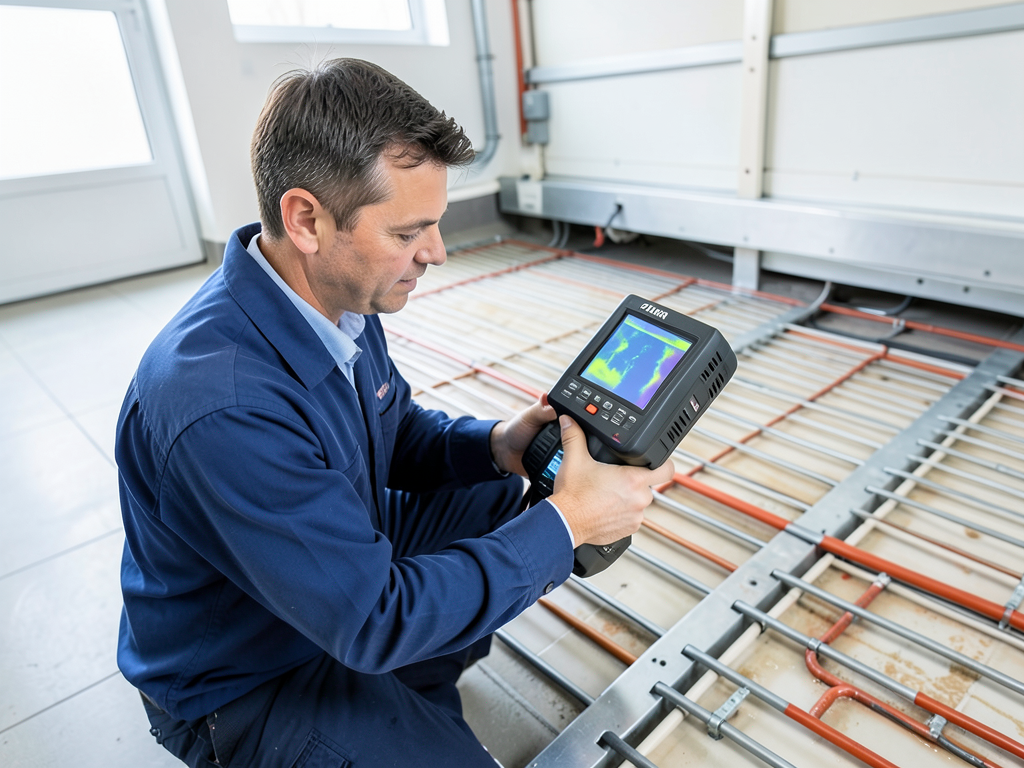
Radiant floor systems trap moisture beneath the surface, creating hidden pockets that standard fans and dehumidifiers cannot reach. The thermal mass of concrete or subfloor materials retains water, and the heating elements can either help or hinder the drying process depending on how they’re managed. This is why professional restoration teams use thermal imaging cameras and moisture mapping to create a precise drying strategy rather than relying on surface-level readings. Professional sump pump failure cleanup for Newton homeowners.
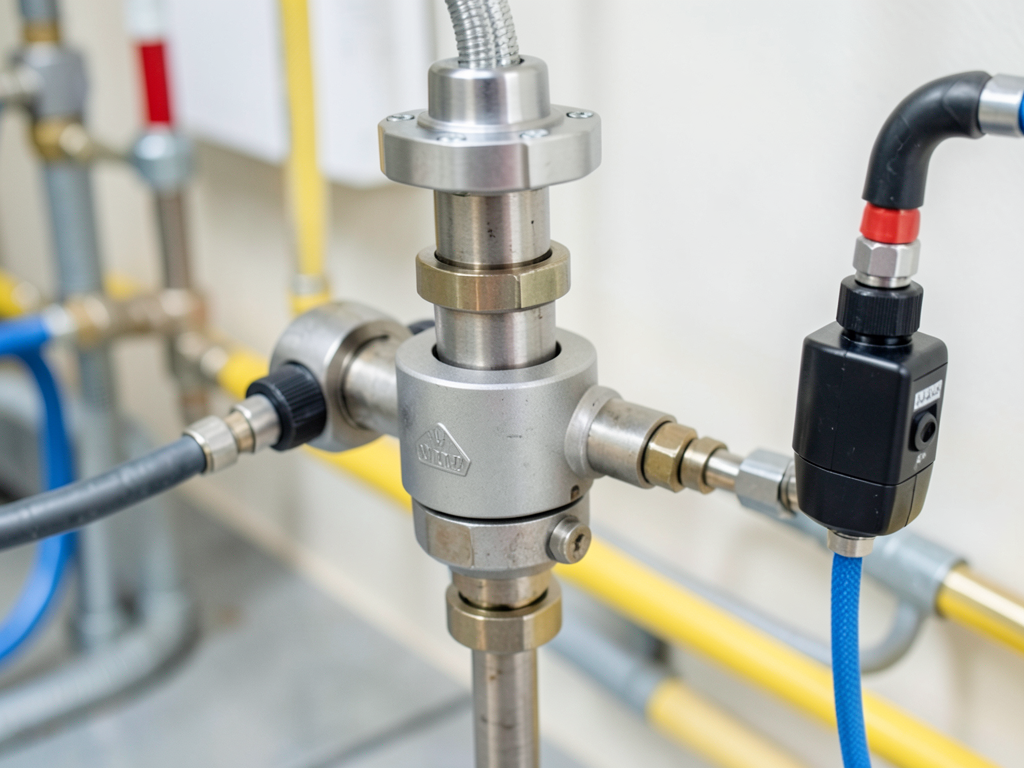
The first critical step involves identifying whether you have a hydronic system with PEX tubing or an electric radiant system. Hydronic systems pose a greater risk because a leak in the PEX tubing continues to introduce water into the space, while electric systems stop conducting moisture once power is cut. Both systems require different approaches to pressure testing and leak detection, with hydronic systems often needing manifold isolation to pinpoint the exact location of a failure.
Temperature management becomes crucial during the drying process. Radiant heating systems typically operate between 80-90 degrees Fahrenheit, but drying protocols may require temporary adjustments to prevent hardwood floor warping or tile adhesive failure. Our Boston restoration teams use precision thermal monitoring to maintain optimal drying temperatures while protecting the integrity of your flooring materials.
Moisture migration patterns in radiant-heated floors follow unique paths. Water moves laterally through the subfloor and can travel significant distances from the original leak source. This is why surface drying alone often fails in radiant-heated spaces. Professional restoration involves creating a comprehensive drying map that accounts for the entire thermal envelope of the room.. Read more about How to Save Your Expensive Marble Floors from Permanent Staining After a Leak in Brookline.
The presence of radiant heating also affects mold growth patterns. The consistent warmth can accelerate mold development in hidden areas, making rapid response even more critical. Our teams use antimicrobial treatments specifically formulated for use in radiant-heated spaces, ensuring that the elevated temperatures don’t compromise the effectiveness of the remediation process.
Insurance considerations add another layer of complexity. Many homeowners’ policies have specific provisions for radiant heating systems, and documentation of the drying process must demonstrate that all embedded components were properly addressed. This includes thermal imaging documentation, moisture readings at multiple depths, and detailed logs of temperature management throughout the restoration.
Material-specific restoration becomes essential when dealing with radiant-heated floors. Hardwood over radiant heat requires different moisture content targets than tile or engineered flooring. Our restoration protocols include material-specific drying curves that account for the thermal properties of each flooring type and its interaction with the underlying heating system.
The restoration timeline typically extends longer than standard water damage cases due to the need for careful temperature management and the removal of moisture from thermal mass materials. While a standard flooded room might dry in 3-5 days, radiant-heated spaces often require 7-10 days of controlled drying to ensure complete moisture removal without damaging the heating system or flooring materials.. Read more about Managing a Flooded Mudroom or Entryway in Your Sudbury Home After a Storm.
Post-restoration testing is critical for radiant-heated spaces. This includes pressure testing the entire heating system, verifying even heat distribution across the floor surface, and conducting final moisture readings at multiple depths. These tests ensure that the restoration not only addressed the immediate water damage but also preserved the functionality of your radiant heating investment. Getting immediate help for a burst pipe in your Back Bay brownstone.
Understanding these complexities is why attempting DIY drying of a radiant-heated floor often leads to costly mistakes. The combination of trapped moisture, embedded heating elements, and material-specific drying requirements makes professional restoration not just recommended but necessary for protecting your home and your investment.
The Hidden Dangers of Radiant Heat Water Damage
Radiant floor heating systems create unique water damage scenarios that many homeowners don’t anticipate until it’s too late. The very feature that makes these systems so comfortable—their ability to evenly distribute heat across an entire floor surface—also makes them particularly vulnerable to water damage complications.
When water infiltrates a radiant-heated floor, it doesn’t just sit on the surface. The moisture travels through the concrete slab, subfloor materials, and around the heating elements, creating a complex network of damp areas that are invisible to the naked eye. This hidden moisture can persist for weeks or months if not properly addressed, leading to mold growth, structural weakening, and eventual system failure.
The thermal properties of radiant heating systems also affect how water behaves in these spaces. The consistent warmth can cause water to evaporate more quickly from surface areas while leaving deeper moisture pockets untouched. This creates a dangerous situation where the floor appears dry but still contains significant moisture that continues to damage materials from within.
Another critical factor is the potential for electrical hazards in electric radiant systems. Water and electricity create an extremely dangerous combination, and the embedded nature of these heating elements means that damage may not be immediately apparent. Professional restoration teams use specialized testing equipment to verify the integrity of electric radiant systems before, during, and after the drying process. Steps to Take After a Flood.
The age and installation quality of your radiant system also play crucial roles in the restoration process. Older systems may have degraded PEX tubing or compromised electrical connections that become exposed during water damage events. Our Boston teams have encountered numerous cases where the water damage revealed pre-existing issues that required immediate attention to prevent future failures.
Material compatibility becomes another significant concern. Not all flooring materials are designed to withstand the moisture levels and temperature fluctuations that occur during professional restoration. Hardwood floors over radiant heat are particularly susceptible to cupping, warping, and splitting if the drying process isn’t carefully controlled.
The presence of vapor barriers, which are common in radiant-heated installations, can trap moisture and create condensation issues that complicate the restoration process. These barriers, designed to improve heating efficiency, can actually hinder proper drying if not accounted for in the restoration strategy.
Understanding these hidden dangers is why our restoration process always begins with a comprehensive assessment using thermal imaging and moisture mapping. This diagnostic approach allows us to identify all affected areas, including those that might not be immediately visible, and develop a restoration plan that addresses both the immediate water damage and the unique challenges posed by your radiant heating system.
Professional Restoration Process for Radiant Heated Floors
Our professional restoration process for radiant-heated floors follows a systematic approach that addresses the unique challenges these systems present. The process begins with emergency water extraction and immediate system isolation to prevent further damage.
The first critical step involves pressure testing the radiant heating system to identify any leaks in the PEX tubing or electrical components. For hydronic systems, we isolate the manifold and apply controlled pressure to determine if the system can maintain integrity. Any pressure drops indicate active leaks that must be addressed before the drying process can begin.
Thermal imaging plays a central role in our diagnostic process. Using FLIR thermal cameras, our technicians create a detailed moisture map of the affected area, identifying temperature variations that indicate moisture presence. This technology allows us to see beneath the surface of your flooring materials and locate hidden moisture pockets that would otherwise go undetected.
Once the assessment is complete, we develop a customized drying strategy that accounts for your specific flooring materials, the type of radiant system installed, and the extent of water damage. This strategy includes precise temperature targets, humidity levels, and airflow patterns designed to promote efficient moisture removal without damaging your heating system or flooring.
The drying phase employs specialized equipment including desiccant dehumidifiers, low-profile air movers, and precision temperature control units. Unlike standard water damage restoration, radiant-heated floor drying requires maintaining specific temperature gradients to prevent thermal shock to materials while promoting moisture migration toward the dehumidification equipment.
Throughout the drying process, we conduct daily moisture readings at multiple depths using penetrating moisture meters. These readings help us track progress and adjust our drying strategy as needed. The goal is achieving moisture content levels that meet industry standards for your specific flooring materials while ensuring the radiant heating system remains functional.
Antimicrobial treatment is applied during the drying process to prevent mold growth in the warm, moist environment created by the radiant heating system. These treatments are specifically formulated for use in heated spaces and won’t interfere with the operation of your heating system once restoration is complete.
The final phase involves comprehensive testing of the entire radiant heating system. This includes verifying even heat distribution, checking for any remaining moisture that could cause future problems, and ensuring all electrical connections are safe and functional. We also provide detailed documentation of the entire restoration process for insurance purposes.
Our Boston-based teams understand the specific challenges posed by New England’s climate and building practices. The freeze-thaw cycles common in our region can stress radiant heating systems, making professional restoration even more critical when water damage occurs. We bring this local expertise to every restoration project, ensuring your home receives the specialized care it needs.
Preventing Future Radiant Heat Water Damage
Prevention is always more cost-effective than restoration when it comes to radiant floor heating systems. Understanding the common failure points and implementing proactive measures can significantly reduce your risk of experiencing water damage in these specialized systems.
Regular maintenance of your radiant heating system is essential. For hydronic systems, this includes annual pressure testing to identify small leaks before they become major problems. Even a minor pressure drop can indicate developing issues that, if caught early, can be repaired with minimal disruption and cost.
Water quality plays a crucial role in system longevity. Hard water can cause mineral buildup in PEX tubing and manifold components, reducing system efficiency and creating pressure points that may eventually lead to failure. Installing water treatment systems or using appropriate inhibitors can extend the life of your radiant heating components.
Proper insulation and vapor barrier installation during the initial construction or renovation phase can prevent many common water damage scenarios. Inadequate insulation can lead to condensation issues, while poor vapor barrier installation can allow moisture migration that compromises both the heating system and flooring materials.
Monitoring systems represent a significant advancement in radiant heating protection. Modern smart home technology allows for real-time monitoring of system pressure, temperature, and even moisture detection. These systems can alert homeowners to developing issues before they cause significant damage, providing an early warning system for potential water damage.
Understanding your system’s pressure specifications is crucial for early problem detection. Most hydronic radiant systems operate at relatively low pressures, typically between 10-20 PSI. Sudden pressure drops or spikes can indicate developing problems that require immediate attention from qualified technicians. How to handle a sudden sewage backup in your Somerville home.
The quality of installation significantly impacts long-term reliability. Systems installed by certified professionals using appropriate materials and following manufacturer specifications are far less likely to experience water damage issues. This is particularly important in Boston’s climate, where freeze-thaw cycles can stress improperly installed systems.
Emergency shutoff systems provide an additional layer of protection. These systems can automatically isolate the water supply to your radiant heating system if a major leak is detected, preventing extensive water damage while you arrange for professional repairs.
Documentation of your system’s specifications, maintenance history, and any repairs provides valuable information for both you and any restoration professionals who might need to work on your system in the future. This documentation should include manufacturer information, installation dates, and details of any modifications or repairs.
Professional inspections every few years can identify potential issues before they become serious problems. These inspections should include pressure testing, visual examination of accessible components, and evaluation of system performance. The cost of these inspections is minimal compared to the potential expense of major water damage restoration.
By implementing these preventive measures, you can significantly reduce your risk of experiencing the complex water damage scenarios that radiant floor heating systems can create. However, if water damage does occur, understanding the specialized nature of these systems and the importance of professional restoration can help you make informed decisions that protect your home and your investment.
Frequently Asked Questions
How long does it take to dry out a flooded room with radiant floor heating?
Drying a flooded room with radiant floor heating typically takes 7-10 days, compared to 3-5 days for standard water damage restoration. This extended timeline is necessary to properly address moisture trapped in the thermal mass of concrete or subfloor materials and to protect the integrity of your heating system and flooring materials.
Can I use my radiant floor heating system during the drying process?
No, you should not use your radiant floor heating system during professional drying. The heating elements must be isolated to prevent electrical hazards and to allow for proper moisture removal. Once the restoration is complete and the system has been tested for safety, your heating system can be reactivated.
Will my insurance cover water damage to my radiant floor heating system?
Most homeowners’ insurance policies cover sudden and accidental water damage, including damage to radiant floor heating systems. However, coverage details vary by policy. Professional restoration companies can provide detailed documentation of the damage and restoration process to support your insurance claim.
How can I tell if my radiant floor heating system has a leak?
Signs of a radiant floor heating leak include unexplained increases in water bills, pressure drops in the system, cold spots on the floor where heat should be present, or visible water damage. Professional leak detection using thermal imaging and pressure testing is the most reliable method for identifying system leaks.
Is it safe to walk on my floors during the restoration process?
During the initial emergency phase, it’s best to avoid walking on affected areas to prevent spreading water and to maintain safety. Once the professional restoration team has set up containment and drying equipment, they will advise you on any necessary access restrictions based on your specific situation.
Additional Resources
For more information about water damage restoration and radiant floor heating systems, visit these authoritative resources:
- EPA Mold and Moisture Control Guidelines
- IICRC S500 Water Damage Restoration Standards
- Shut Off Water Source
Immediately locate and turn off the main water supply to prevent further flooding.
- Isolate Electrical Systems
Turn off power to affected areas to prevent electrical hazards.
- Document Damage
Take photos and videos of all affected areas for insurance purposes.
- Remove Standing Water
Use wet vacuums or mops to remove as much standing water as possible.
- Call Professional Restoration
Contact certified water damage restoration specialists immediately.
Water damage in radiant floor heating systems requires immediate professional attention to prevent extensive structural damage and system failure. The specialized nature of these systems means that standard water damage restoration techniques are often insufficient, potentially leading to incomplete drying and long-term problems.
Our Boston-based restoration teams understand the unique challenges posed by radiant floor heating systems and the specific requirements of New England homes. We bring the expertise, equipment, and local knowledge necessary to properly restore your flooded room while protecting your heating system investment.
Don’t let water damage compromise your home’s comfort and safety. Call (617) 789-8099 today to schedule your inspection and take the first step toward complete restoration. Our emergency response teams are available 24/7 to handle your water damage crisis.
Pick up the phone and call (617) 789-8099 before the next storm hits. Professional restoration is just one call away, and we’re ready to help you protect your home and your investment in radiant floor heating.
{
“@context”: “https://schema.org”,
“@type”: “BlogPosting”,
“headline”: “How Radiant Floor Heating Changes the Way You Dry Out a Flooded Room in Lincoln”,
“description”: “Discover how radiant floor heating impacts flood drying in Lincoln homes. Learn about thermal imaging, PEX leaks, and specialized restoration techniques from Boston experts.”,
“wordCount”: 2664,
“datePublished”: “2026-05-06T10:31:00.000Z”,
“dateModified”: “2026-05-06T10:31:00.000Z”,
“inLanguage”: “en-US”,
“mainEntityOfPage”: {
“@type”: “WebPage”,
“@id”: “https://firstchoicewaterdamagerestorationboston.com”
},
“publisher”: {
“@type”: “LocalBusiness”,
“name”: “First Choice Water Damage Restoration Boston”,
“url”: “https://firstchoicewaterdamagerestorationboston.com”
},
“author”: {
“@type”: “Organization”,
“name”: “First Choice Water Damage Restoration Boston”,
“url”: “https://firstchoicewaterdamagerestorationboston.com”
},
“image”: {
“@type”: “ImageObject”,
“url”: “https://firstchoicewaterdamagerestorationboston.com/wp-content/uploads/2026/03/how-radiant-floor-heating-changes-the-way-you-dry-1.png”
}
}
{
“@context”: “https://schema.org”,
“@type”: “LocalBusiness”,
“name”: “First Choice Water Damage Restoration Boston”,
“url”: “https://firstchoicewaterdamagerestorationboston.com”,
“address”: {
“@type”: “PostalAddress”,
“addressLocality”: “Boston”
},
“areaServed”: {
“@type”: “City”,
“name”: “Boston”
}
}
{
“@context”: “https://schema.org”,
“@type”: “FAQPage”,
“mainEntity”: [
{
“@type”: “Question”,
“name”: “How long does it take to dry out a flooded room with radiant floor heating?”,
“acceptedAnswer”: {
“@type”: “Answer”,
“text”: “Drying a flooded room with radiant floor heating typically takes 7-10 days, compared to 3-5 days for standard water damage restoration. This extended timeline is necessary to properly address moisture trapped in the thermal mass of concrete or subfloor materials and to protect the integrity of your heating system and flooring materials.”
}
},
{
“@type”: “Question”,
“name”: “Can I use my radiant floor heating system during the drying process?”,
“acceptedAnswer”: {
“@type”: “Answer”,
“text”: “No, you should not use your radiant floor heating system during professional drying. The heating elements must be isolated to prevent electrical hazards and to allow for proper moisture removal. Once the restoration is complete and the system has been tested for safety, your heating system can be reactivated.”
}
},
{
“@type”: “Question”,
“name”: “Will my insurance cover water damage to my radiant floor heating system?”,
“acceptedAnswer”: {
“@type”: “Answer”,
“text”: “Most homeowners’ insurance policies cover sudden and accidental water damage, including damage to radiant floor heating systems. However, coverage details vary by policy. Professional restoration companies can provide detailed documentation of the damage and restoration process to support your insurance claim.”
}
},
{
“@type”: “Question”,
“name”: “How can I tell if my radiant floor heating system has a leak?”,
“acceptedAnswer”: {
“@type”: “Answer”,
“text”: “Signs of a radiant floor heating leak include unexplained increases in water bills, pressure drops in the system, cold spots on the floor where heat should be present, or visible water damage. Professional leak detection using thermal imaging and pressure testing is the most reliable method for identifying system leaks.”
}
},
{
“@type”: “Question”,
“name”: “Is it safe to walk on my floors during the restoration process?”,
“acceptedAnswer”: {
“@type”: “Answer”,
“text”: “During the initial emergency phase, it’s best to avoid walking on affected areas to prevent spreading water and to maintain safety. Once the professional restoration team has set up containment and drying equipment, they will advise you on any necessary access restrictions based on your specific situation.”
}
}
]
}
{
“@context”: “https://schema.org”,
“@type”: “HowTo”,
“name”: “Emergency Water Damage Response”,
“step”: [
{
“@type”: “HowToStep”,
“position”: 1,
“name”: “Shut Off Water Source”,
“text”: “Immediately locate and turn off the main water supply to prevent further flooding.”
},
{
“@type”: “HowToStep”,
“position”: 2,
“name”: “Isolate Electrical Systems”,
“text”: “Turn off power to affected areas to prevent electrical hazards.”
},
{
“@type”: “HowToStep”,
“position”: 3,
“name”: “Document Damage”,
“text”: “Take photos and videos of all affected areas for insurance purposes.”
},
{
“@type”: “HowToStep”,
“position”: 4,
“name”: “Remove Standing Water”,
“text”: “Use wet vacuums or mops to remove as much standing water as possible.”
},
{
“@type”: “HowToStep”,
“position”: 5,
“name”: “Call Professional Restoration”,
“text”: “Contact certified water damage restoration specialists immediately.”
}
],
“image”: “https://firstchoicewaterdamagerestorationboston.com/wp-content/uploads/2026/03/how-radiant-floor-heating-changes-the-way-you-dry-1.png”
}
{
“@context”: “https://schema.org”,
“@type”: “BreadcrumbList”,
“itemListElement”: [
{
“@type”: “ListItem”,
“position”: 1,
“name”: “Home”,
“item”: “https://firstchoicewaterdamagerestorationboston.com”
},
{
“@type”: “ListItem”,
“position”: 2,
“name”: “Blog”,
“item”: “https://firstchoicewaterdamagerestorationboston.com/blog”
},
{
“@type”: “ListItem”,
“position”: 3,
“name”: “How Radiant Floor Heating Changes the Way You Dry Out a Flooded Room in Lincoln”
}
]
}
{
“@context”: “https://schema.org”,
“@type”: “Service”,
“serviceType”: “Water Damage Restoration”,
“provider”: {
“@type”: “LocalBusiness”,
“name”: “First Choice Water Damage Restoration Boston”,
“url”: “https://firstchoicewaterdamagerestorationboston.com”
},
“areaServed”: {
“@type”: “City”,
“name”: “Boston”
},
“description”: “Discover how radiant floor heating impacts flood drying in Lincoln homes. Learn about thermal imaging, PEX leaks, and specialized restoration techniques from Boston experts.”
}