
Handling Water Damage in an Old Boston House With Asbestos or Lead Paint
Water damage in Boston’s historic homes creates unique hazards when materials like asbestos insulation and lead paint become disturbed. In 2026 Massachusetts law requires specific testing and containment procedures before any restoration work begins in properties built before 1980. The combination of moisture and aging building materials can release dangerous fibers and lead dust that pose serious health risks to occupants and workers. Massachusetts Asbestos Regulation 310 CMR 7.15.
Boston’s architectural heritage includes thousands of pre-1980s homes containing asbestos in floor tiles, pipe insulation, and popcorn ceilings. When water saturates these materials they can become friable and release microscopic fibers into the air. Lead paint common in homes built before 1978 also becomes hazardous when water damage causes chipping and peeling. Professional restoration requires specialized training equipment and licensing to handle these materials safely while complying with Massachusetts Department of Labor Standards regulations. Massachusetts Lead-Safe Renovation Requirements.
Immediate response to water damage in older Boston properties must prioritize safety assessment before any drying or demolition begins. The first 24-48 hours are critical for preventing mold growth and containing hazardous materials. Certified technicians use moisture meters thermal imaging and air quality testing to identify affected areas and potential asbestos-containing materials before starting the restoration process. Getting immediate help for a burst pipe in your Back Bay brownstone.
Common Asbestos and Lead Hazards in Boston’s Historic Homes
Older Boston neighborhoods like Beacon Hill Back Bay and the South End contain housing stock built between 1850 and 1940 when asbestos and lead paint were standard building materials. These materials were valued for their durability and fire resistance but are now recognized as serious health hazards when disturbed.
Asbestos-containing materials in Boston homes typically include 9×9 inch vinyl floor tiles installed between 1920 and 1980 pipe insulation on steam heating systems vermiculite insulation in attics and textured ceiling coatings. When water damage occurs these materials can become friable meaning they crumble easily and release microscopic fibers that remain airborne for extended periods. Water Damage Restoration Newton.
Lead paint hazards emerge when water causes paint to bubble peel or chip from walls windows and trim. The dust created during water damage restoration can contain lead particles that children and pets may ingest through hand-to-mouth contact. Massachusetts law requires lead-safe practices for any renovation work in homes built before 1978. Risks of DIY Water Cleanup.

Massachusetts Legal Requirements for Asbestos and Lead During Restoration
Massachusetts Department of Labor Standards (DLS) regulations require specific procedures when asbestos-containing materials may be disturbed during water damage restoration. The state follows federal EPA guidelines but has additional requirements for testing and containment. Property owners must hire licensed asbestos inspectors to conduct surveys before any demolition or extensive water damage repair begins.. Read more about Dealing With Water Damage After a Fire in Your Lexington Home.
The Massachusetts Asbestos Regulation 310 CMR 7.15 mandates that any material suspected of containing asbestos must be tested before disturbance. This includes materials damaged by water fire or impact. Testing must be conducted by Massachusetts-certified inspectors using polarized light microscopy or transmission electron microscopy analysis. Results must be available before any restoration work proceeds.. Read more about The Best Way to Restore a Water Damaged Home Library or Private Collection in Cambridge.
Lead-safe work practices are required under Massachusetts law for any renovation disturbing more than 6 square feet of painted surfaces in homes built before 1978. The law requires certified renovators lead-safe work practices and proper containment to prevent lead dust contamination. Insurance companies often require documentation of these practices before covering water damage claims in older properties.
Professional Assessment and Testing Procedures
Professional assessment begins with a visual inspection to identify potential asbestos-containing materials and lead paint hazards. Technicians use moisture meters to map the extent of water damage and determine which building materials have been affected. Thermal imaging cameras help identify hidden moisture behind walls and under flooring where asbestos insulation might be present. Professional sump pump failure cleanup for Newton homeowners.
Air quality testing measures airborne fiber levels before any work begins. This establishes baseline conditions and helps determine if containment is necessary. Bulk sampling involves collecting small pieces of suspected materials and sending them to accredited laboratories for analysis. Results typically take 24-48 hours but can be expedited for emergency situations.
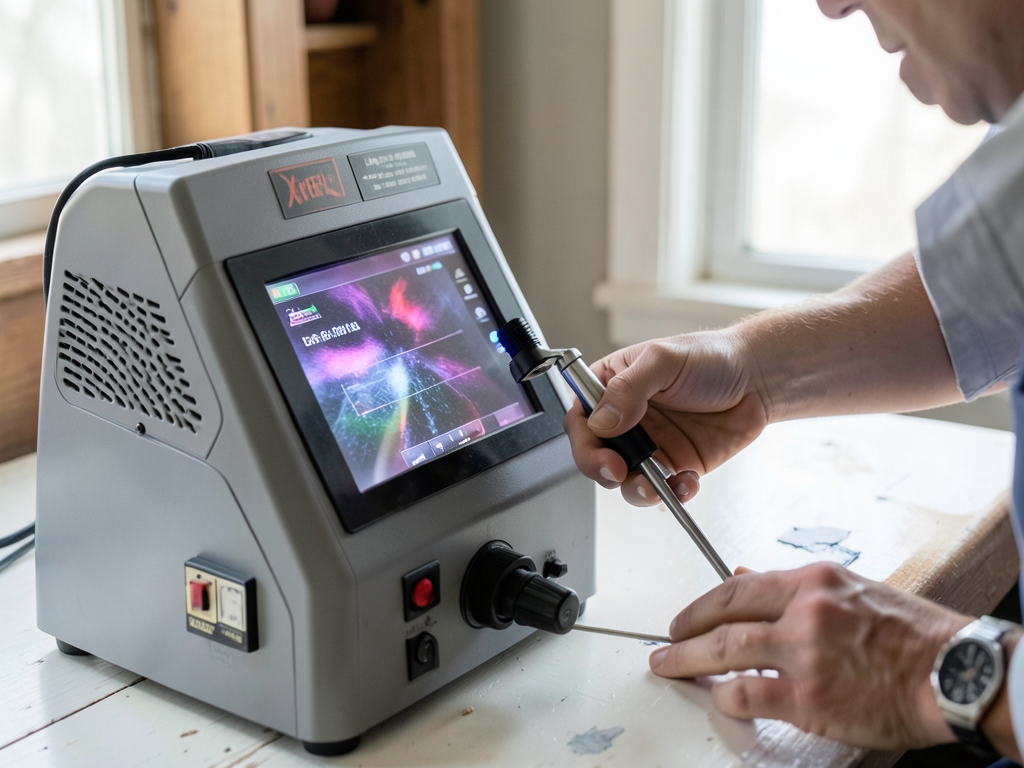
Lead testing uses X-ray fluorescence (XRF) analyzers that can detect lead in painted surfaces without damaging the material. This non-destructive testing allows technicians to map lead paint locations throughout the property. Paint chip testing provides additional confirmation when XRF results are inconclusive or when samples need to be analyzed for other hazardous materials.
Containment and Safety Protocols
Containment procedures prevent the spread of hazardous materials during water damage restoration. Negative air pressure systems use HEPA-filtered air scrubbers to create pressure differentials that keep contaminated air inside the work area. Plastic sheeting creates physical barriers and airlock entry systems prevent cross-contamination between affected and unaffected areas.
Personal protective equipment includes disposable coveralls respirators with P100 filters gloves and eye protection. Workers must follow strict decontamination procedures when leaving containment areas. All contaminated materials are double-bagged in 6-mil polyethylene bags with proper labeling before removal from the site.
Air monitoring continues throughout the restoration process to ensure containment effectiveness. Clearance testing after project completion verifies that airborne fiber and lead levels have returned to safe background levels before the area is released for reoccupation. Steps to Take After a Flood.
Water Damage Restoration Process With Hazardous Materials
The restoration process follows a specific sequence when hazardous materials are present. First safety assessment and testing confirm the presence and extent of asbestos and lead hazards. Next containment systems are installed and workers suit up in appropriate PPE. Water extraction and drying can then begin using specialized equipment that prevents material disturbance.. Read more about Specialized Drying Services for Wet Plaster Walls in Older Watertown Houses.
Demolition and removal of water-damaged materials require additional precautions. Materials suspected of containing asbestos must be removed by licensed asbestos abatement contractors. Lead-painted surfaces require lead-safe work practices including wet methods to prevent dust generation. All removed materials must be properly packaged and labeled for disposal at approved facilities.
Structural drying uses desiccant dehumidifiers and air movers positioned to minimize air disturbance of hazardous materials. Moisture monitoring continues until all affected materials reach acceptable dryness levels. Antimicrobial treatments may be applied to prevent mold growth without disturbing asbestos-containing materials.
Insurance Coverage and Documentation Requirements
Insurance companies require specific documentation when water damage involves asbestos or lead paint. Policies typically cover the cost of professional assessment and proper handling of hazardous materials but coverage details vary by carrier and policy type. Some policies exclude coverage for pre-existing hazardous materials while others require notification before work begins.
Documentation includes test results contractor licenses permits and disposal manifests. Insurance adjusters need proof that all work was performed by properly licensed contractors following state and federal regulations. Failure to provide this documentation can result in claim denial or reduced coverage for related damages.
Many Boston homeowners find that their standard homeowner’s insurance policies require additional endorsements for properties with known asbestos or lead paint. These endorsements may include higher deductibles or specific requirements for contractor licensing and documentation.
Health Risks and Safety Considerations
Asbestos exposure causes mesothelioma lung cancer and asbestosis diseases that may not appear for 20-50 years after exposure. Lead exposure causes developmental delays in children neurological damage and various physical symptoms in adults. The combination of water damage and these materials creates an immediate health emergency requiring professional intervention.. Read more about How to Dry Out a Top Floor Condo After a Skylight Failure in the South End.
Short-term exposure during water damage restoration can still pose significant health risks. Even brief exposure to airborne asbestos fibers or lead dust can result in contamination of clothing furniture and HVAC systems. Professional containment prevents this cross-contamination and protects building occupants during the restoration process.
Children and pregnant women are especially vulnerable to lead exposure. Pets can also track contaminated dust throughout the home. Professional restoration companies provide temporary relocation assistance when necessary to protect vulnerable occupants during hazardous material removal.
Choosing the Right Restoration Company
Selecting a restoration company for water damage in older Boston homes requires verifying specific certifications and licenses. The company must hold Massachusetts asbestos abatement contractor licenses lead-safe renovation firm certification and appropriate insurance coverage. Technicians should be certified in both water damage restoration and hazardous materials handling.. Read more about Why Checking for IICRC Certification is the First Step for Every Boston Homeowner.
Experience with Boston’s specific housing stock is crucial. Companies familiar with triple-deckers brownstones and Victorian homes understand the common locations of asbestos and lead paint and can anticipate potential hazards. Local knowledge also helps with navigating Boston’s permitting requirements and disposal regulations.. Read more about The Real Reason Your Dorchester Victorian Has That Musty Basement Smell.
References from similar projects in Boston neighborhoods provide insight into the company’s expertise with hazardous materials. Ask specifically about their experience with asbestos and lead paint during water damage restoration and request documentation of their compliance with Massachusetts regulations.
Prevention and Maintenance Strategies
Regular inspection of older Boston homes can identify potential water damage risks before they become emergencies. Check for signs of roof leaks plumbing corrosion and foundation moisture that could lead to water damage in areas containing asbestos or lead paint. Early intervention prevents the need for extensive hazardous material handling.
Maintenance of plumbing systems in pre-1980s homes includes replacing corroded pipes and updating fixtures that may leak. Steam heating systems common in Boston’s older homes require regular inspection to prevent pipe insulation damage that could release asbestos fibers when repairs are needed.
Professional testing of suspected asbestos and lead materials before renovation projects prevents unexpected hazardous material discoveries during construction. This proactive approach allows for proper planning and budgeting for safe removal and disposal procedures.
Frequently Asked Questions
Do I need to test for asbestos if I only have minor water damage?
Yes. Massachusetts law requires testing of any material suspected of containing asbestos before disturbance regardless of damage extent. Even minor water damage can make asbestos-containing materials friable and release hazardous fibers.
Will my insurance cover asbestos removal during water damage restoration?
Most standard policies cover professional assessment and proper handling of hazardous materials discovered during covered water damage events. However coverage varies by policy and some may exclude pre-existing hazardous materials. Always check with your insurance provider.
How long does the testing process take?
Standard asbestos testing typically takes 24-48 hours for laboratory results. Expedited testing is available for emergencies but may cost more. Lead testing with XRF analyzers provides immediate results on-site.
Can I stay in my home during the restoration process?
Occupancy depends on the extent of damage and hazardous materials involved. For extensive work or when containment cannot adequately protect occupants temporary relocation may be necessary. Your restoration company will advise based on specific conditions.
What happens if asbestos is found during demolition?
Work must stop immediately and a licensed asbestos inspector must assess the situation. A licensed abatement contractor must then remove the materials following Massachusetts regulations before restoration can continue.
Are there specific disposal requirements for asbestos waste in Boston?
Yes. Asbestos waste must be transported by licensed hazardous waste haulers to approved disposal facilities. The waste must be properly packaged labeled and accompanied by manifests documenting the disposal chain of custody.
How can I verify a contractor’s asbestos and lead certifications?
Ask for license numbers and verify them with the Massachusetts Department of Labor Standards. Reputable contractors will provide documentation of their certifications and insurance coverage before beginning work.
What should I do if I suspect asbestos or lead paint during a DIY project?
Stop work immediately and contact a professional testing company. Do not disturb the material further as this can release hazardous fibers and dust. Professional assessment will determine the appropriate next steps.
Does the age of my home determine if asbestos or lead is present?
Homes built before 1980 likely contain asbestos and those built before 1978 likely contain lead paint. However testing is the only way to confirm presence as materials may have been added or replaced during renovations.
How much does professional testing cost?
Testing costs vary by project size and complexity but typically range from $300-$1,500 for residential properties. Emergency or expedited testing may cost more. Your restoration company can provide specific quotes based on your situation.
- Safety Assessment
Stop any water source if possible and evacuate vulnerable occupants. Do not disturb any materials that may contain asbestos or lead paint.
- Professional Contact
Call a certified water damage restoration company experienced with hazardous materials in older Boston homes. Provide details about your home’s age and any known hazardous materials.
- Testing and Assessment
Allow licensed professionals to conduct testing for asbestos and lead paint before any restoration work begins. This is required by Massachusetts law.
- Containment Setup
Professional containment systems will be installed to prevent the spread of hazardous materials during the restoration process.
- Restoration Process
Follow the professional restoration plan which includes proper handling of hazardous materials water extraction and structural drying.
- Clearance Testing
After restoration is complete clearance testing ensures that air quality meets safety standards before reoccupying the space.
Call for Emergency Water Damage Assessment
Water damage in Boston’s historic homes requires immediate professional attention especially when asbestos or lead paint may be present. The combination of moisture and aging building materials creates serious health hazards that demand specialized expertise and equipment. Don’t risk your family’s health by attempting DIY restoration in properties built before 1980.
Our certified technicians are available 24/7 to respond to water damage emergencies in Boston’s historic neighborhoods. We understand the unique challenges of restoring pre-1980s homes while ensuring compliance with Massachusetts asbestos and lead paint regulations. Our team includes licensed asbestos inspectors and lead-safe certified renovators who can safely assess and address your water damage situation.
Call (617) 789-8099 today to schedule your inspection. We provide emergency response throughout Boston Brookline Newton and surrounding communities. Don’t wait until minor water damage becomes a major hazardous materials problem. Pick up the phone and call (617) 789-8099 before the next storm hits or pipe bursts. Your family’s health and your property’s safety depend on professional handling of water damage in older Boston homes.
You may also find this helpful. Why Your High End Grasscloth or Silk Wallpaper Might Be Savable After a Leak in Beacon Hill.
{
“@context”: “https://schema.org”,
“@type”: “BlogPosting”,
“headline”: “Handling Water Damage in an Old Boston House With Asbestos or Lead Paint”,
“description”: “Professional water damage restoration in Boston’s historic homes requires specialized handling of asbestos and lead paint hazards. Learn Massachusetts requirements.”,
“wordCount”: 2305,
“datePublished”: “2026-04-11T08:23:00.000Z”,
“dateModified”: “2026-04-11T08:23:00.000Z”,
“inLanguage”: “en-US”,
“mainEntityOfPage”: {
“@type”: “WebPage”,
“@id”: “https://firstchoicewaterdamagerestorationboston.com”
},
“publisher”: {
“@type”: “LocalBusiness”,
“name”: “First Choice Water Damage Restoration Boston”,
“url”: “https://firstchoicewaterdamagerestorationboston.com”
},
“author”: {
“@type”: “Organization”,
“name”: “First Choice Water Damage Restoration Boston”,
“url”: “https://firstchoicewaterdamagerestorationboston.com”
},
“image”: {
“@type”: “ImageObject”,
“url”: “https://firstchoicewaterdamagerestorationboston.com/wp-content/uploads/2026/03/handling-water-damage-in-an-old-boston-house-with-1.png”
}
}
{
“@context”: “https://schema.org”,
“@type”: “LocalBusiness”,
“name”: “First Choice Water Damage Restoration Boston”,
“url”: “https://firstchoicewaterdamagerestorationboston.com”,
“address”: {
“@type”: “PostalAddress”,
“addressLocality”: “Boston”
},
“areaServed”: {
“@type”: “City”,
“name”: “Boston”
}
}
{
“@context”: “https://schema.org”,
“@type”: “FAQPage”,
“mainEntity”: [
{
“@type”: “Question”,
“name”: “Do I need to test for asbestos if I only have minor water damage?”,
“acceptedAnswer”: {
“@type”: “Answer”,
“text”: “Yes. Massachusetts law requires testing of any material suspected of containing asbestos before disturbance regardless of damage extent. Even minor water damage can make asbestos-containing materials friable and release hazardous fibers.”
}
},
{
“@type”: “Question”,
“name”: “Will my insurance cover asbestos removal during water damage restoration?”,
“acceptedAnswer”: {
“@type”: “Answer”,
“text”: “Most standard policies cover professional assessment and proper handling of hazardous materials discovered during covered water damage events. However coverage varies by policy and some may exclude pre-existing hazardous materials. Always check with your insurance provider.”
}
},
{
“@type”: “Question”,
“name”: “How long does the testing process take?”,
“acceptedAnswer”: {
“@type”: “Answer”,
“text”: “Standard asbestos testing typically takes 24-48 hours for laboratory results. Expedited testing is available for emergencies but may cost more. Lead testing with XRF analyzers provides immediate results on-site.”
}
},
{
“@type”: “Question”,
“name”: “Can I stay in my home during the restoration process?”,
“acceptedAnswer”: {
“@type”: “Answer”,
“text”: “Occupancy depends on the extent of damage and hazardous materials involved. For extensive work or when containment cannot adequately protect occupants temporary relocation may be necessary. Your restoration company will advise based on specific conditions.”
}
},
{
“@type”: “Question”,
“name”: “What happens if asbestos is found during demolition?”,
“acceptedAnswer”: {
“@type”: “Answer”,
“text”: “Work must stop immediately and a licensed asbestos inspector must assess the situation. A licensed abatement contractor must then remove the materials following Massachusetts regulations before restoration can continue.”
}
},
{
“@type”: “Question”,
“name”: “Are there specific disposal requirements for asbestos waste in Boston?”,
“acceptedAnswer”: {
“@type”: “Answer”,
“text”: “Yes. Asbestos waste must be transported by licensed hazardous waste haulers to approved disposal facilities. The waste must be properly packaged labeled and accompanied by manifests documenting the disposal chain of custody.”
}
},
{
“@type”: “Question”,
“name”: “How can I verify a contractor’s asbestos and lead certifications?”,
“acceptedAnswer”: {
“@type”: “Answer”,
“text”: “Ask for license numbers and verify them with the Massachusetts Department of Labor Standards. Reputable contractors will provide documentation of their certifications and insurance coverage before beginning work.”
}
},
{
“@type”: “Question”,
“name”: “What should I do if I suspect asbestos or lead paint during a DIY project?”,
“acceptedAnswer”: {
“@type”: “Answer”,
“text”: “Stop work immediately and contact a professional testing company. Do not disturb the material further as this can release hazardous fibers and dust. Professional assessment will determine the appropriate next steps.”
}
},
{
“@type”: “Question”,
“name”: “Does the age of my home determine if asbestos or lead is present?”,
“acceptedAnswer”: {
“@type”: “Answer”,
“text”: “Homes built before 1980 likely contain asbestos and those built before 1978 likely contain lead paint. However testing is the only way to confirm presence as materials may have been added or replaced during renovations.”
}
},
{
“@type”: “Question”,
“name”: “How much does professional testing cost?”,
“acceptedAnswer”: {
“@type”: “Answer”,
“text”: “Testing costs vary by project size and complexity but typically range from $300-$1,500 for residential properties. Emergency or expedited testing may cost more. Your restoration company can provide specific quotes based on your situation.”
}
}
]
}
{
“@context”: “https://schema.org”,
“@type”: “HowTo”,
“name”: “Steps for Safe Water Damage Response”,
“step”: [
{
“@type”: “HowToStep”,
“position”: 1,
“name”: “Safety Assessment”,
“text”: “Stop any water source if possible and evacuate vulnerable occupants. Do not disturb any materials that may contain asbestos or lead paint.”
},
{
“@type”: “HowToStep”,
“position”: 2,
“name”: “Professional Contact”,
“text”: “Call a certified water damage restoration company experienced with hazardous materials in older Boston homes. Provide details about your home’s age and any known hazardous materials.”
},
{
“@type”: “HowToStep”,
“position”: 3,
“name”: “Testing and Assessment”,
“text”: “Allow licensed professionals to conduct testing for asbestos and lead paint before any restoration work begins. This is required by Massachusetts law.”
},
{
“@type”: “HowToStep”,
“position”: 4,
“name”: “Containment Setup”,
“text”: “Professional containment systems will be installed to prevent the spread of hazardous materials during the restoration process.”
},
{
“@type”: “HowToStep”,
“position”: 5,
“name”: “Restoration Process”,
“text”: “Follow the professional restoration plan which includes proper handling of hazardous materials water extraction and structural drying.”
},
{
“@type”: “HowToStep”,
“position”: 6,
“name”: “Clearance Testing”,
“text”: “After restoration is complete clearance testing ensures that air quality meets safety standards before reoccupying the space.”
}
],
“image”: “https://firstchoicewaterdamagerestorationboston.com/wp-content/uploads/2026/03/handling-water-damage-in-an-old-boston-house-with-1.png”
}
{
“@context”: “https://schema.org”,
“@type”: “BreadcrumbList”,
“itemListElement”: [
{
“@type”: “ListItem”,
“position”: 1,
“name”: “Home”,
“item”: “https://firstchoicewaterdamagerestorationboston.com”
},
{
“@type”: “ListItem”,
“position”: 2,
“name”: “Blog”,
“item”: “https://firstchoicewaterdamagerestorationboston.com/blog”
},
{
“@type”: “ListItem”,
“position”: 3,
“name”: “Handling Water Damage in an Old Boston House With Asbestos or Lead Paint”
}
]
}
{
“@context”: “https://schema.org”,
“@type”: “Service”,
“serviceType”: “Water Damage Restoration”,
“provider”: {
“@type”: “LocalBusiness”,
“name”: “First Choice Water Damage Restoration Boston”,
“url”: “https://firstchoicewaterdamagerestorationboston.com”
},
“areaServed”: {
“@type”: “City”,
“name”: “Boston”
},
“description”: “Professional water damage restoration in Boston’s historic homes requires specialized handling of asbestos and lead paint hazards. Learn Massachusetts requirements.”
}