
Breaking down the average cost of flood cleanup in the Greater Boston area
When your basement floods or pipes burst in Boston you need to know what to expect financially before you pick up the phone. Water damage restoration costs in the Greater Boston area typically range from $1,500 to $8,000 with the final price depending on water category severity square footage and how quickly you act. The most reliable flood restoration companies serving South Boston right now.
Emergency response teams charge $150 to $250 per hour for immediate service plus equipment costs. A standard basement flood in a 1,000-square-foot space often runs $3,500 to $5,500 including water extraction drying and sanitization. Category 3 sewage backups cost significantly more due to hazardous material handling and disposal requirements. Getting immediate help for a burst pipe in your Back Bay brownstone.
Local factors drive Boston pricing higher than national averages. Historic brownstones require specialized handling to protect original materials. Combined sewer overflow systems in neighborhoods like Dorchester and South Boston create unique contamination challenges. The high cost of living and strict disposal regulations in Massachusetts also impact restoration budgets. Massachusetts contractor licensing.
Understanding these cost variables helps you make informed decisions when disaster strikes. You will learn what drives restoration pricing how insurance applies and why acting fast saves you money in the long run.
Water Damage Categories and Their Cost Impact
Water damage restoration costs vary dramatically based on contamination levels. The Institute of Inspection Cleaning and Restoration Certification (IICRC) defines three categories that determine pricing and safety protocols.. Read more about How to handle a water damage insurance claim if you live in the Seaport District.
| Category | Description | Typical Cost Range | Safety Requirements |
|---|---|---|---|
| Category 1 | Clean water from broken pipes supply lines | $1,500 – $4,000 | Basic PPE standard extraction |
| Category 2 | Gray water from appliances washing machines | $2,500 – $6,000 | Enhanced PPE antimicrobial treatment |
| Category 3 | Black water sewage groundwater contamination | $4,000 – $12,000 | Full hazmat suits HEPA filtration |
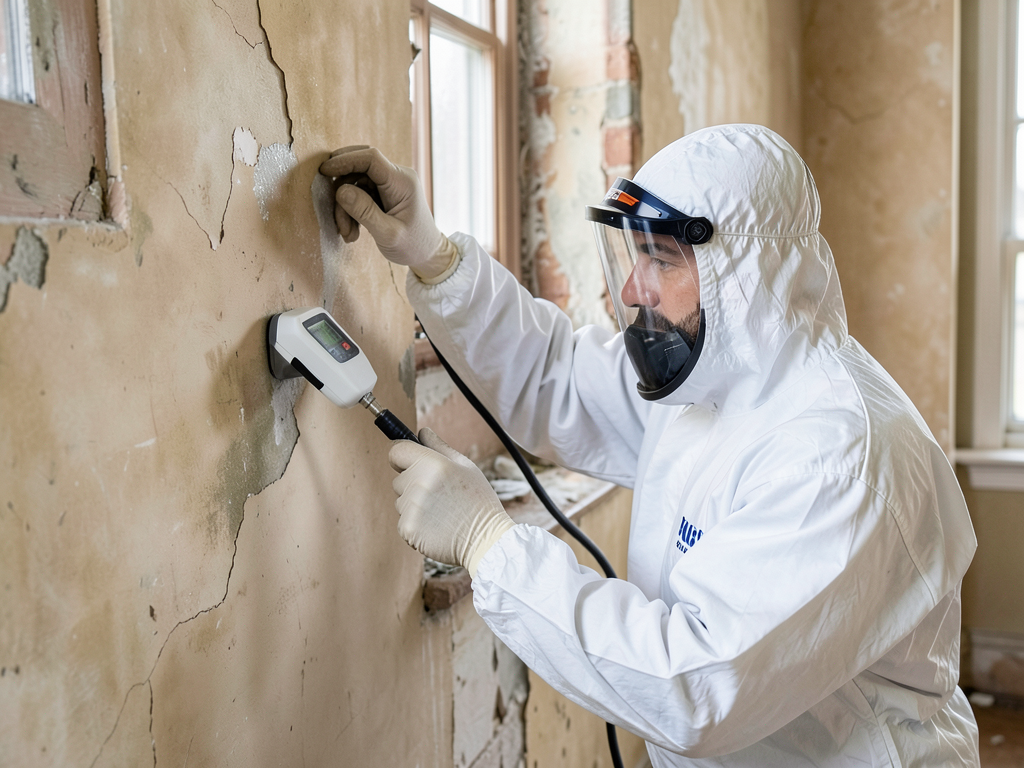
Category 3 water requires EPA-mandated disposal at licensed facilities. Technicians wear full-body suits with respirators and use industrial-grade HEPA air scrubbers. This level of protection and specialized equipment drives costs higher in Boston where disposal fees at facilities like the Massachusetts Water Resources Authority treatment plants exceed national averages by 30%. National Flood Insurance Program.
Older Boston homes built before 1978 face additional costs. Federal EPA lead paint regulations require containment barriers and specialized cleaning when Category 2 or 3 water contacts painted surfaces. Testing for lead and asbestos adds $500 to $1,500 to restoration bills. Federal EPA lead paint regulations.
Common Boston Water Damage Scenarios and Pricing
Different Boston neighborhoods face unique water damage challenges based on architecture age and local infrastructure. Here is what you can expect to pay for common scenarios.. Read more about The most common reasons why Brighton apartments experience kitchen floods.
Burst Pipe in a Back Bay Brownstone
Historic brownstones on Marlborough Street or Beacon Street typically cost $3,500 to $7,000 to restore after pipe bursts. These buildings feature plaster walls original hardwood floors and intricate moldings that require careful drying to prevent warping. The narrow streets of Back Bay limit equipment access increasing labor time by 25%.
Plaster walls absorb water like sponges requiring longer drying times than modern drywall. Technicians use moisture meters at multiple depths checking for hidden saturation behind decorative elements. The restoration process often includes temporary climate control to prevent freeze damage during Boston winters.
Basement Flooding in a South Boston Triple-Decker
Triple-deckers in South Boston face combined sewer overflow issues during heavy rains. A standard basement flood in these buildings costs $2,800 to $5,200. The concrete construction and lack of finished materials reduce restoration costs compared to brownstones but the age of plumbing systems increases failure frequency. Professional sump pump failure cleanup for Newton homeowners.
South Boston’s high water table means groundwater intrusion is common. Sump pump failures during power outages require additional equipment like battery backup systems. The cost to install proper drainage often exceeds the initial cleanup expense.
Ice Dam Damage in Newton
Newton homes with sloped roofs frequently suffer ice dam formation during Boston winters. Ice dam removal and water damage restoration costs $2,000 to $4,500 per affected area. The damage often extends to ceilings walls and insulation requiring complete removal and replacement.
Newton’s mature tree canopy creates additional challenges. Falling ice and snow damage gutters and roof edges requiring repairs beyond water mitigation. The cost to prevent future ice dams through proper attic insulation and ventilation adds $3,000 to $8,000 to the project.
Cost Breakdown by Service Type
Understanding individual service costs helps you evaluate restoration quotes. Here is a typical cost breakdown for a 1,000-square-foot basement flood.
| Service | Cost Range | Time Required |
|---|---|---|
| Emergency water extraction | $500 – $1,200 | 2-4 hours |
| Structural drying equipment | $800 – $1,500 | 3-5 days |
| Antimicrobial treatment | $300 – $600 | 1-2 hours |
| Content manipulation | $400 – $800 | 4-8 hours |
| Debris removal and disposal | $200 – $500 | 2-3 hours |
Emergency water extraction requires truck-mounted extraction units capable of removing 100 gallons per minute. Boston restoration companies invest $50,000 to $100,000 in this equipment. The cost reflects not just the equipment but the rapid response capability that prevents secondary damage.
Structural drying uses industrial-grade dehumidifiers drawing 10 to 15 amps each. A typical basement setup requires three to five units running continuously for three to five days. Electricity costs alone add $100 to $200 to the restoration bill. Managing industrial water damage and flood cleanup in Chelsea.
Insurance Coverage and Claims Process in Massachusetts
Massachusetts homeowners insurance typically covers sudden and accidental water damage but excludes flooding and gradual leaks. Understanding your coverage prevents payment surprises. How to handle a sudden sewage backup in your Somerville home.
Standard policies cover burst pipes overflow from appliances and ice dam damage. Coverage limits often cap at $10,000 to $25,000 for water damage with a deductible of $500 to $2,500. Flood damage from external sources requires separate National Flood Insurance Program (NFIP) policies.
Massachusetts law requires insurance companies to respond to claims within 15 days of notification. The Division of Insurance oversees complaints and can assist if you experience delays or claim denials. Keep detailed documentation including photos moisture readings and itemized estimates to support your claim.
Many Boston restoration companies work directly with insurance providers. They provide Xactimate pricing software estimates that insurance adjusters recognize. This coordination speeds approvals and ensures you receive maximum coverage for your loss.
Document damage before cleanup begins. Take photos of standing water affected materials and the source of the problem. This documentation proves invaluable during the claims process.
Factors That Increase Restoration Costs
Several factors can significantly increase your water damage restoration bill. Understanding these helps you budget accurately and identify cost-saving opportunities.
Response time critically impacts costs. Water damage escalates from Category 1 to Category 3 within 72 hours as bacteria multiply and materials deteriorate. Every hour of delay increases restoration costs by 5% to 10%.
Building accessibility affects pricing. Narrow streets in Boston’s North End and Beacon Hill limit equipment access. Restoration teams must carry equipment by hand increasing labor costs by 20% to 30%. Parking restrictions in these areas add logistical challenges and time delays.
Material sensitivity drives costs higher. Historic homes with original plaster woodwork and decorative elements require specialized drying techniques. The cost to preserve these materials often exceeds replacement costs but maintains property value and historical integrity.
Mold growth discovered during restoration adds $2,000 to $8,000 to the project. Massachusetts regulations require licensed mold remediation contractors for contamination over 10 square feet. The remediation process includes containment barriers negative air pressure and HEPA filtration to prevent spore spread.
Preventing Water Damage and Reducing Future Costs
Prevention costs far less than restoration. Simple maintenance steps can prevent 80% of common water damage scenarios in Boston homes.
Install water leak detection systems that shut off supply lines automatically. These systems cost $300 to $800 but prevent catastrophic damage from burst pipes. Smart water monitors send alerts to your phone when unusual water usage patterns occur.
Maintain your sump pump system with battery backup. Boston’s high water table and frequent power outages make sump pump failures common. A quality system with backup power costs $800 to $1,500 but prevents thousands in flood damage.
Clean gutters and downspouts twice yearly especially before winter. Ice dams form when melting snow cannot drain properly. Gutter guards costing $1,500 to $3,000 prevent debris buildup and ice formation.
Inspect washing machine supply hoses annually. Replace rubber hoses every five years with stainless steel braided alternatives. This $50 maintenance step prevents one of the most common causes of residential water damage.
Consider a whole-house water shutoff valve for vacation properties. These systems cost $500 to $1,000 but provide peace of mind and prevent damage when homes sit unoccupied.
Choosing the Right Restoration Company
Not all restoration companies provide equal service or pricing. Here is what to look for when selecting a Boston water damage restoration provider.
Verify IICRC certification and Massachusetts contractor licensing. The state requires Home Improvement Contractor registration for jobs over $500. Ask for proof of insurance including general liability and workers compensation coverage.
Check response times and availability. Water damage requires immediate action. Companies offering 24/7 emergency service with arrival times under two hours provide the best protection against secondary damage.
Request detailed written estimates using industry-standard pricing software. Avoid companies offering vague quotes or requiring large upfront payments. Reputable companies bill insurance directly and only charge your deductible.. Read more about The Connection Between Large Trees and Sewer Line Backups in Milton.
Read reviews focusing on response time communication and follow-through. Water damage situations create stress and you need a company that communicates clearly and keeps promises.
Ask about their equipment fleet and technician training. Companies investing in modern equipment and ongoing training provide better results and faster drying times.
Frequently Asked Questions
How much does water damage restoration cost per square foot in Boston?
Water damage restoration costs $3 to $8 per square foot in Boston depending on water category and damage extent. Clean water extraction averages $3 to $4 per square foot while sewage cleanup can exceed $10 per square foot due to hazardous material handling requirements.
Does homeowners insurance cover water damage in Massachusetts?
Standard Massachusetts homeowners insurance covers sudden and accidental water damage from burst pipes and appliance failures. It excludes flooding groundwater seepage and gradual leaks. Separate flood insurance through the National Flood Insurance Program covers external water sources.
How long does water damage restoration take in Boston?
Water damage restoration typically takes 3 to 7 days in Boston. Emergency water extraction completes in 24 hours but structural drying requires 3 to 5 days minimum. Additional time adds for repairs reconstruction and insurance approvals.
What should I do immediately after discovering water damage?
Stop the water source if safe to do so and call a professional immediately. Document damage with photos before cleanup begins. Remove valuable items from affected areas. Do not use electrical devices in standing water. Contact your insurance company within 24 hours.
Are emergency water damage services more expensive in Boston?
Emergency water damage services cost 25% to 50% more than standard rates due to immediate response requirements. After-hours calls nights weekends and holidays typically incur surcharges. However emergency service prevents secondary damage that costs significantly more to repair.
Call for Immediate Water Damage Help
Water damage waits for no one. Every minute of delay increases your restoration costs and risk of mold growth. If you are dealing with a flood burst pipe or sewage backup right now do not wait until morning.
Our certified technicians arrive within two hours with commercial-grade equipment to stop the damage and begin restoration. We work directly with your insurance company to maximize your coverage and minimize your out-of-pocket expenses.
Call (617) 789-8099 now for emergency water damage restoration in the Greater Boston area. We are available 24/7 because disasters do not keep office hours.
Do not let water damage destroy your home and belongings. One call starts the restoration process and protects your property from further harm.
You may also find this helpful. Deciding if your wet carpet is worth saving after a flood in Everett.
You may also find this helpful. Navigating the legal mess when a neighbor’s leak floods your Seaport condo.
{
“@context”: “https://schema.org”,
“@type”: “BlogPosting”,
“headline”: “Breaking down the average cost of flood cleanup in the Greater Boston area”,
“description”: “Learn Boston flood cleanup costs, from burst pipes to sewage backups. Get pricing for emergency water damage restoration in historic brownstones and modern homes.”,
“wordCount”: 1977,
“datePublished”: “2026-03-12T15:13:00.000Z”,
“dateModified”: “2026-03-12T15:13:00.000Z”,
“inLanguage”: “en-US”,
“mainEntityOfPage”: {
“@type”: “WebPage”,
“@id”: “https://firstchoicewaterdamagerestorationboston.com”
},
“publisher”: {
“@type”: “LocalBusiness”,
“name”: “First Choice Water Damage Restoration Boston”,
“url”: “https://firstchoicewaterdamagerestorationboston.com”
},
“author”: {
“@type”: “Organization”,
“name”: “First Choice Water Damage Restoration Boston”,
“url”: “https://firstchoicewaterdamagerestorationboston.com”
},
“image”: {
“@type”: “ImageObject”,
“url”: “https://firstchoicewaterdamagerestorationboston.com/wp-content/uploads/2026/03/breaking-down-the-average-cost-of-flood-cleanup-in-1.png”
}
}
{
“@context”: “https://schema.org”,
“@type”: “LocalBusiness”,
“name”: “First Choice Water Damage Restoration Boston”,
“url”: “https://firstchoicewaterdamagerestorationboston.com”,
“address”: {
“@type”: “PostalAddress”,
“addressLocality”: “Boston”
},
“areaServed”: {
“@type”: “City”,
“name”: “Boston”
}
}
{
“@context”: “https://schema.org”,
“@type”: “FAQPage”,
“mainEntity”: [
{
“@type”: “Question”,
“name”: “How much does water damage restoration cost per square foot in Boston?”,
“acceptedAnswer”: {
“@type”: “Answer”,
“text”: “Water damage restoration costs $3 to $8 per square foot in Boston depending on water category and damage extent. Clean water extraction averages $3 to $4 per square foot while sewage cleanup can exceed $10 per square foot due to hazardous material handling requirements.”
}
},
{
“@type”: “Question”,
“name”: “Does homeowners insurance cover water damage in Massachusetts?”,
“acceptedAnswer”: {
“@type”: “Answer”,
“text”: “Standard Massachusetts homeowners insurance covers sudden and accidental water damage from burst pipes and appliance failures. It excludes flooding groundwater seepage and gradual leaks. Separate flood insurance through the National Flood Insurance Program covers external water sources.”
}
},
{
“@type”: “Question”,
“name”: “How long does water damage restoration take in Boston?”,
“acceptedAnswer”: {
“@type”: “Answer”,
“text”: “Water damage restoration typically takes 3 to 7 days in Boston. Emergency water extraction completes in 24 hours but structural drying requires 3 to 5 days minimum. Additional time adds for repairs reconstruction and insurance approvals.”
}
},
{
“@type”: “Question”,
“name”: “What should I do immediately after discovering water damage?”,
“acceptedAnswer”: {
“@type”: “Answer”,
“text”: “Stop the water source if safe to do so and call a professional immediately. Document damage with photos before cleanup begins. Remove valuable items from affected areas. Do not use electrical devices in standing water. Contact your insurance company within 24 hours.”
}
},
{
“@type”: “Question”,
“name”: “Are emergency water damage services more expensive in Boston?”,
“acceptedAnswer”: {
“@type”: “Answer”,
“text”: “Emergency water damage services cost 25% to 50% more than standard rates due to immediate response requirements. After-hours calls nights weekends and holidays typically incur surcharges. However emergency service prevents secondary damage that costs significantly more to repair.”
}
}
]
}
{
“@context”: “https://schema.org”,
“@type”: “BreadcrumbList”,
“itemListElement”: [
{
“@type”: “ListItem”,
“position”: 1,
“name”: “Home”,
“item”: “https://firstchoicewaterdamagerestorationboston.com”
},
{
“@type”: “ListItem”,
“position”: 2,
“name”: “Blog”,
“item”: “https://firstchoicewaterdamagerestorationboston.com/blog”
},
{
“@type”: “ListItem”,
“position”: 3,
“name”: “Breaking down the average cost of flood cleanup in the Greater Boston area”
}
]
}
{
“@context”: “https://schema.org”,
“@type”: “Service”,
“serviceType”: “Water Damage Restoration”,
“provider”: {
“@type”: “LocalBusiness”,
“name”: “First Choice Water Damage Restoration Boston”,
“url”: “https://firstchoicewaterdamagerestorationboston.com”
},
“areaServed”: {
“@type”: “City”,
“name”: “Boston”
},
“description”: “Learn Boston flood cleanup costs, from burst pipes to sewage backups. Get pricing for emergency water damage restoration in historic brownstones and modern homes.”
}