
Why You Should Consider a Backwater Valve for Your Home in the Muddy River Area
Living near the Muddy River means enjoying beautiful green spaces and historic neighborhoods but also facing unique flood risks. During heavy rains or rapid snowmelt the aging combined sewer system in this area can back up sending sewage into basements through floor drains and toilets. A backwater valve stops this by allowing water to flow out but not back in. Installing one is not just smart it is now often required by Boston Water and Sewer Commission regulations for homes in flood-prone zones. Boston Water and Sewer Commission.
The valve works automatically. When sewage or stormwater tries to reverse course the valve flap closes creating a seal. Once pressure equalizes the flap reopens. This simple mechanism protects your home from thousands of dollars in damage and serious health hazards from contaminated water.
If your home is in the Fenway Kenmore or Brookline neighborhoods near the Muddy River you are in a high-risk area. The combination of flat terrain aging pipes and combined sewer overflows makes backups more likely especially during nor’easters or spring storms. A backwater valve is your first line of defense.. Read more about Why a Battery Backup is the Only Way to Save Your Wakefield Basement During a Power Outage.
How Boston’s Combined Sewer System Creates Risk in the Muddy River Area
Boston’s older neighborhoods including areas around the Muddy River use a combined sewer system. This means stormwater and sewage travel together in the same pipes. During heavy rain these pipes can fill beyond capacity. The excess water seeks the lowest point of resistance often your basement drains.
The Muddy River area is particularly vulnerable because the river itself can overflow during storms. When river water meets full sewer pipes the pressure forces sewage back through the system. This is not a rare event. The Boston Water and Sewer Commission reports increased backups in combined sewer overflow zones during major weather events.
Beyond weather the age of the infrastructure plays a role. Many pipes near the Muddy River were installed over a century ago. They have smaller diameters and more joints where blockages can occur. Tree roots and debris compound the problem. A backwater valve cuts off this path before water enters your home.
Understanding this risk is the first step. The next is knowing what type of valve fits your home and how it is installed.
Types of Backwater Valves and How They Protect Your Home
Backwater valves come in two main types: automatic and manual. Automatic valves use a spring-loaded or gravity-operated flap that closes when water flows backward. Manual valves require you to close them before a storm but they offer a tighter seal. For most Muddy River area homes an automatic valve is the best choice because it works without your intervention.
The most common automatic valve is the sewer check valve. It installs in your main sewer line and uses a hinged flap. When sewage pressure drops the flap opens. When pressure rises the flap closes. Another option is the gate valve which uses a sliding gate for a more secure closure but requires manual operation.
For homes with finished basements or valuable equipment a dual-valve system offers extra protection. This setup places two valves in series so if one fails the other still blocks backflow. It costs more but doubles your peace of mind.
Some homeowners worry about maintenance. Modern valves are designed for easy cleaning. Most have a clear cover so you can inspect the flap. Annual cleaning involves removing debris and checking the seal. If you notice slow drains or gurgling sounds the valve may need service.
Choosing the right valve depends on your home’s layout and risk level. A licensed plumber can inspect your system and recommend the best fit.
Installation Process What to Expect from Start to Finish
Installing a backwater valve is not a DIY job. It requires cutting into your main sewer line and ensuring proper drainage. Here is what happens during a professional installation. Professional sump pump failure cleanup for Newton homeowners.
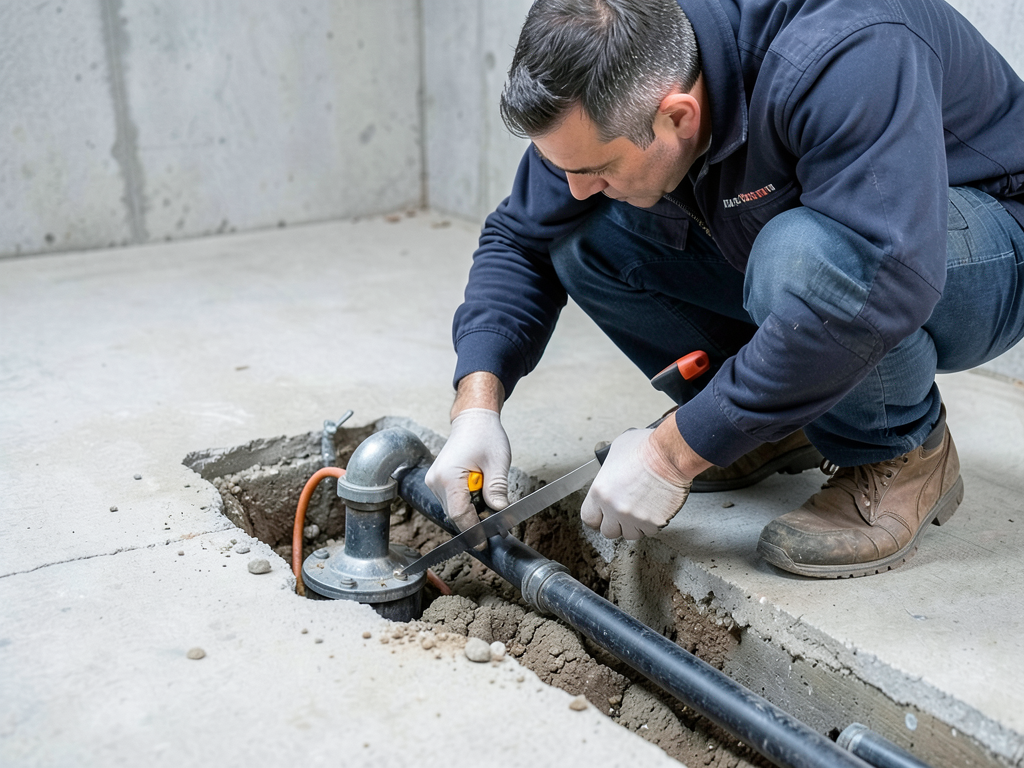
First the plumber locates your main sewer line often in the basement or crawl space. They shut off water and sewage flow. Using a concrete saw they cut an access point. For homes with finished basements this may mean removing flooring or drywall.
Next they excavate around the pipe. This can involve digging a trench to expose enough of the line for valve placement. The plumber measures carefully to ensure the valve fits without restricting flow. They clean the pipe ends and check for damage.
The valve is then installed according to manufacturer specs. This includes securing it with clamps or couplings and ensuring the flap moves freely. The plumber tests the valve by running water and checking for leaks. They also verify the flap opens and closes correctly.
Finally they restore the work area. This may mean patching concrete or drywall. They provide you with maintenance instructions and warranty information. The entire process usually takes one to two days depending on your home’s layout.
Permits are required from the Boston Water and Sewer Commission. A licensed plumber handles this paperwork. Skipping permits can lead to fines and insurance issues. How to handle a sudden sewage backup in your Somerville home.
Boston Water and Sewer Commission Requirements and Permits
The Boston Water and Sewer Commission regulates backwater valve installations. Their rules aim to protect both individual properties and the broader sewer system. Understanding these requirements is essential before starting any work.
First you need a permit. The BWSC requires a plumbing permit for any work on the main sewer line. Your plumber submits plans showing the valve type location and how it connects to your system. The commission reviews these to ensure compliance with local codes.
Massachusetts State Building Code 780 CMR 13.00 governs sanitary drainage. It requires that any device preventing backflow be accessible for maintenance. This means your valve must have a removable cover or clear access point. The code also mandates that valves not reduce pipe diameter which could cause clogs.
The BWSC may also require an inspection after installation. A city inspector checks that the valve is properly installed and that no unauthorized connections exist. This step ensures the valve works as intended and meets safety standards. Steps to Take After a Flood.
Some neighborhoods near the Muddy River have additional requirements due to flood risk. The BWSC may require a specific valve type or placement. They may also ask for documentation showing your home’s flood history. Following these rules protects you from liability and ensures insurance coverage. The most reliable flood restoration companies serving South Boston right now.
Working with a plumber familiar with BWSC rules saves time and avoids costly mistakes. They know the current codes and can handle permit paperwork.
Cost Factors and Available Rebates in Boston
The cost of installing a backwater valve in Boston varies based on several factors. The valve itself ranges from $200 to $1,000 depending on type and size. Labor is the biggest variable. In Boston expect to pay $1,500 to $3,500 for professional installation. This includes permits, excavation, and restoration.
Finished basements cost more to work in. Cutting through concrete or removing drywall adds time and materials. Homes with complex plumbing layouts may need custom fittings which increase cost. If your main line is hard to access such as under a finished floor expect higher labor charges.
The Boston Water and Sewer Commission offers rebates for backflow prevention devices in some cases. The program aims to reduce citywide flood damage. Homeowners in designated flood zones may qualify for up to $2,000 toward installation. Check the BWSC website or ask your plumber about current rebate availability.
Insurance is another factor. Some carriers offer premium discounts for homes with backwater valves. Others may require one for coverage in high-risk areas. Installing a valve can pay for itself over time through avoided damage and lower premiums.
Maintenance costs are minimal. Annual cleaning and inspection run $100 to $200. Replacing a worn flap or seal every five to ten years costs a few hundred dollars. Compared to the cost of a sewage backup these expenses are minor.
When weighing cost consider the value of your home and belongings. A single backup can cause tens of thousands in damage. A valve is a small price for long-term protection.
Maintenance Tips to Keep Your Backwater Valve Working
A backwater valve is a low-maintenance device but it still needs care. Regular checks prevent failures when you need protection most. Here is how to keep your valve in top shape.
Start with a visual inspection every six months. Remove the cover and look for debris or buildup. Clear any obstructions with a brush or hose. Check that the flap moves freely and the seal is intact. If you see cracks or warping replace the valve.
Test the valve annually. Pour a bucket of water into the drain and watch the flap. It should close quickly and reopen when pressure equalizes. If it sticks or leaks call a plumber. Slow drains or gurgling sounds can signal a failing valve.
Keep the area around the valve clean. Do not store items on top of it. Avoid pouring grease or harsh chemicals down drains as these can damage seals. If your home has a sump pump make sure its discharge does not overwhelm the valve.
During storm season check the valve more often. If heavy rain is forecast inspect it the day before. If you leave for vacation run a quick test before you go. A failed valve when you are away can cause major damage.
Professional inspection every two to three years is wise. A plumber can test the valve under pressure and check for hidden issues. They can also update you on code changes or rebate programs.
Maintenance takes minutes but can save you thousands in repairs. Make it part of your seasonal home care routine. EPA guidelines on sewage hazards.
Emergency Sewage Backup Restoration Services
Even with a backwater valve backups can happen. A stuck valve a power outage or an extreme storm can overwhelm the system. When sewage enters your home you need fast professional cleanup.
Raw sewage is a Category 3 water hazard. It contains bacteria viruses and parasites that can cause serious illness. Touching it or breathing its fumes is dangerous. You should never attempt DIY cleanup.
Professional restoration teams follow IICRC S500 standards for sewage cleanup. They wear PPE including gloves masks and suits. They extract standing water with industrial pumps. They remove contaminated materials like carpet and drywall. They disinfect all surfaces with EPA-registered antimicrobials. IICRC S500 sewage cleanup standards.
The process also includes moisture detection. Even after visible water is gone moisture can hide in walls and floors. Thermal imaging and moisture meters find these pockets. Left untreated they lead to mold growth within 24 to 48 hours.
Restoration also means odor control. Sewage leaves a lingering smell that standard cleaning cannot remove. Professionals use hydroxyl generators or ozone machines to neutralize odors at the molecular level.
Insurance often covers sewage backup damage but only if you have the right policy. Many standard homeowners policies exclude it. Adding a sewage backup rider costs $50 to $100 per year and can save you thousands in repairs.
If you experience a backup call a licensed restoration company immediately. They can stop further damage and start the cleanup process. The longer you wait the worse the problem gets. Getting immediate help for a burst pipe in your Back Bay brownstone.
Comparing Backwater Valves to Other Flood Prevention Methods
Backwater valves are one of several tools for flood prevention. Understanding how they compare to other methods helps you choose the best protection for your home.
Sump pumps remove water that enters your basement. They are effective for groundwater but cannot stop sewage backflow. A sump pump paired with a backwater valve offers layered protection. The valve blocks sewage the pump handles clean water.
Floor drain plugs are cheap and easy to install. They fit into individual drains and block water entry. However they are not as reliable as valves. They can dislodge under pressure and do not protect other drains. They are best for temporary use during storms.
Overhead sewers are a more drastic solution. They raise your main sewer line above basement level so water cannot flow back. This requires major plumbing work and is costly. It is most useful for homes with frequent deep flooding.
Sealing foundation cracks helps with groundwater but not sewage. Cracks let in clean water but sewage enters through drains and toilets. Foundation repair is a good complement to a backwater valve but not a replacement.
Backwater valves strike a balance between cost effectiveness and protection. They work automatically require minimal maintenance and protect all drains at once. For most Muddy River area homes they are the best first step.
Combining methods adds security. A valve plus a sump pump plus good drainage creates a robust defense against all types of flooding.
Frequently Asked Questions
How do I know if I need a backwater valve?
If your home is near the Muddy River or in a combined sewer overflow zone you are at higher risk. Check your basement for floor drains or low-lying plumbing. If you have experienced backups or live in an area with frequent flooding a valve is a smart investment.
Can I install a backwater valve myself?
No. Installing a valve requires cutting into the main sewer line and meeting code requirements. Improper installation can cause more problems than it solves. A licensed plumber ensures the job is done right and obtains necessary permits.
How long does installation take?
Most installations take one to two days. This includes excavation valve placement and restoration. Complex jobs in finished basements may take longer. Your plumber can give a timeline after inspecting your home.
Will a backwater valve affect my plumbing?
When working correctly a valve does not affect normal use. It only closes when water flows backward. You may notice slightly slower drainage during heavy use but this is normal. If drains are consistently slow the valve may need service.
What if my valve fails during a storm?
Automatic valves are designed to fail safe meaning they close if something goes wrong. If you suspect a failure turn off water to your home and call a plumber immediately. Do not attempt to force the valve open.
Are there rebates for backwater valves in Boston?
The Boston Water and Sewer Commission offers rebates in some cases especially for homes in flood zones. The amount varies. Check their website or ask your plumber about current programs.
How often should I inspect my valve?
Inspect it every six months and test it annually. Check more often during storm season or if you notice slow drains. Professional inspection every few years is also a good idea.
Can a backwater valve prevent all flooding?
No. It only stops sewage backflow through drains. It does not stop groundwater seepage or surface flooding. For complete protection combine it with a sump pump and good exterior drainage.
What is the difference between a backwater valve and a backflow preventer?
A backwater valve stops sewage from entering through drains. A backflow preventer stops contaminated water from flowing back into your clean water supply. They protect different systems and are not interchangeable.
Will insurance cover damage if my valve fails?
Standard policies often exclude sewage backup. You need a specific rider for coverage. Even with a valve proper coverage is essential in case of extreme events or equipment failure.
Take Action Today to Protect Your Home
Living near the Muddy River means enjoying a unique neighborhood but also accepting certain risks. Sewage backups are not just messy they are dangerous and expensive. A backwater valve is a proven way to stop them before they start.
Installation is quick affordable and often required by local code. With proper maintenance your valve will protect your home for years. Do not wait for the next storm to find out your basement is vulnerable.
Call (617) 789-8099 today to schedule your inspection. A licensed plumber will assess your home recommend the right valve and handle all permits. Protect your home your health and your peace of mind with one simple call.
You may also find this helpful. Preparing Your Inland Needham Home for Hurricane Season Flooding.
{
“@context”: “https://schema.org”,
“@type”: “BlogPosting”,
“headline”: “Why You Should Consider a Backwater Valve for Your Home in the Muddy River Area”,
“description”: “Protect your Muddy River area home from sewage backups with professional backwater valve installation. Learn about Boston’s combined sewer system risks and BWSC requirements.”,
“wordCount”: 2713,
“datePublished”: “2026-05-22T13:27:00.000Z”,
“dateModified”: “2026-05-22T13:27:00.000Z”,
“inLanguage”: “en-US”,
“mainEntityOfPage”: {
“@type”: “WebPage”,
“@id”: “https://firstchoicewaterdamagerestorationboston.com”
},
“publisher”: {
“@type”: “LocalBusiness”,
“name”: “First Choice Water Damage Restoration Boston”,
“url”: “https://firstchoicewaterdamagerestorationboston.com”
},
“author”: {
“@type”: “Organization”,
“name”: “First Choice Water Damage Restoration Boston”,
“url”: “https://firstchoicewaterdamagerestorationboston.com”
},
“image”: {
“@type”: “ImageObject”,
“url”: “https://firstchoicewaterdamagerestorationboston.com/wp-content/uploads/2026/03/why-you-should-consider-a-backwater-valve-for-your-1.png”
}
}
{
“@context”: “https://schema.org”,
“@type”: “LocalBusiness”,
“name”: “First Choice Water Damage Restoration Boston”,
“url”: “https://firstchoicewaterdamagerestorationboston.com”,
“address”: {
“@type”: “PostalAddress”,
“addressLocality”: “Boston”
},
“areaServed”: {
“@type”: “City”,
“name”: “Boston”
}
}
{
“@context”: “https://schema.org”,
“@type”: “FAQPage”,
“mainEntity”: [
{
“@type”: “Question”,
“name”: “How do I know if I need a backwater valve?”,
“acceptedAnswer”: {
“@type”: “Answer”,
“text”: “If your home is near the Muddy River or in a combined sewer overflow zone you are at higher risk. Check your basement for floor drains or low-lying plumbing. If you have experienced backups or live in an area with frequent flooding a valve is a smart investment.”
}
},
{
“@type”: “Question”,
“name”: “Can I install a backwater valve myself?”,
“acceptedAnswer”: {
“@type”: “Answer”,
“text”: “No. Installing a valve requires cutting into the main sewer line and meeting code requirements. Improper installation can cause more problems than it solves. A licensed plumber ensures the job is done right and obtains necessary permits.”
}
},
{
“@type”: “Question”,
“name”: “How long does installation take?”,
“acceptedAnswer”: {
“@type”: “Answer”,
“text”: “Most installations take one to two days. This includes excavation valve placement and restoration. Complex jobs in finished basements may take longer. Your plumber can give a timeline after inspecting your home.”
}
},
{
“@type”: “Question”,
“name”: “Will a backwater valve affect my plumbing?”,
“acceptedAnswer”: {
“@type”: “Answer”,
“text”: “When working correctly a valve does not affect normal use. It only closes when water flows backward. You may notice slightly slower drainage during heavy use but this is normal. If drains are consistently slow the valve may need service.”
}
},
{
“@type”: “Question”,
“name”: “What if my valve fails during a storm?”,
“acceptedAnswer”: {
“@type”: “Answer”,
“text”: “Automatic valves are designed to fail safe meaning they close if something goes wrong. If you suspect a failure turn off water to your home and call a plumber immediately. Do not attempt to force the valve open.”
}
},
{
“@type”: “Question”,
“name”: “Are there rebates for backwater valves in Boston?”,
“acceptedAnswer”: {
“@type”: “Answer”,
“text”: “The Boston Water and Sewer Commission offers rebates in some cases especially for homes in flood zones. The amount varies. Check their website or ask your plumber about current programs.”
}
},
{
“@type”: “Question”,
“name”: “How often should I inspect my valve?”,
“acceptedAnswer”: {
“@type”: “Answer”,
“text”: “Inspect it every six months and test it annually. Check more often during storm season or if you notice slow drains. Professional inspection every few years is also a good idea.”
}
},
{
“@type”: “Question”,
“name”: “Can a backwater valve prevent all flooding?”,
“acceptedAnswer”: {
“@type”: “Answer”,
“text”: “No. It only stops sewage backflow through drains. It does not stop groundwater seepage or surface flooding. For complete protection combine it with a sump pump and good exterior drainage.”
}
},
{
“@type”: “Question”,
“name”: “What is the difference between a backwater valve and a backflow preventer?”,
“acceptedAnswer”: {
“@type”: “Answer”,
“text”: “A backwater valve stops sewage from entering through drains. A backflow preventer stops contaminated water from flowing back into your clean water supply. They protect different systems and are not interchangeable.”
}
},
{
“@type”: “Question”,
“name”: “Will insurance cover damage if my valve fails?”,
“acceptedAnswer”: {
“@type”: “Answer”,
“text”: “Standard policies often exclude sewage backup. You need a specific rider for coverage. Even with a valve proper coverage is essential in case of extreme events or equipment failure.”
}
}
]
}
{
“@context”: “https://schema.org”,
“@type”: “BreadcrumbList”,
“itemListElement”: [
{
“@type”: “ListItem”,
“position”: 1,
“name”: “Home”,
“item”: “https://firstchoicewaterdamagerestorationboston.com”
},
{
“@type”: “ListItem”,
“position”: 2,
“name”: “Blog”,
“item”: “https://firstchoicewaterdamagerestorationboston.com/blog”
},
{
“@type”: “ListItem”,
“position”: 3,
“name”: “Why You Should Consider a Backwater Valve for Your Home in the Muddy River Area”
}
]
}
{
“@context”: “https://schema.org”,
“@type”: “Service”,
“serviceType”: “Water Damage Restoration”,
“provider”: {
“@type”: “LocalBusiness”,
“name”: “First Choice Water Damage Restoration Boston”,
“url”: “https://firstchoicewaterdamagerestorationboston.com”
},
“areaServed”: {
“@type”: “City”,
“name”: “Boston”
},
“description”: “Protect your Muddy River area home from sewage backups with professional backwater valve installation. Learn about Boston’s combined sewer system risks and BWSC requirements.”
}