
Dealing with a frozen pipe burst in your Jamaica Plain triple-decker
A frozen pipe burst in your Jamaica Plain triple-decker can flood multiple floors within minutes, destroying original hardwood, plaster walls, and century-old plumbing. The moment you hear that telltale crack and rush of water, every second counts. This guide walks you through immediate emergency steps, explains why Boston’s climate and your building’s architecture create unique vulnerabilities, and shows you what professional restoration looks like when you need it most. Getting immediate help for a burst pipe in your Back Bay brownstone.
Immediate steps: what to do if your pipes burst
Before you do anything else, stop the water. In a triple-decker, the main shut-off valve is often in the basement near the water meter or in a utility closet. Turn it clockwise until it stops. Then, open all faucets to relieve pressure and drain remaining water from the system.. Read more about What to expect from professional water damage services in Roxbury.
Next, identify the source. Look for bulging ceilings, water stains spreading across walls, or active dripping. In a triple-decker, water travels along floor joists and can emerge several rooms away from the actual break. Use a flashlight to trace the path upward from the lowest visible damage.
Move valuables immediately. Water destroys paper, electronics, and textiles within minutes. Lift furniture onto blocks or aluminum foil to prevent staining. If you see electrical outlets or switches near standing water, stay back and call for emergency help.
Document everything before cleanup begins. Take wide-angle photos of each affected room, close-ups of water levels, and videos showing active leaks. This documentation speeds up insurance claims and proves the extent of damage to adjusters.
Our Boston water damage repair process
Professional restoration follows a systematic approach based on IICRC S500 standards. First, we extract standing water using truck-mounted or portable extractors capable of removing hundreds of gallons per hour. In a triple-decker, we often need to work floor-by-floor to prevent structural collapse from water weight. IICRC S500 water damage restoration standard.
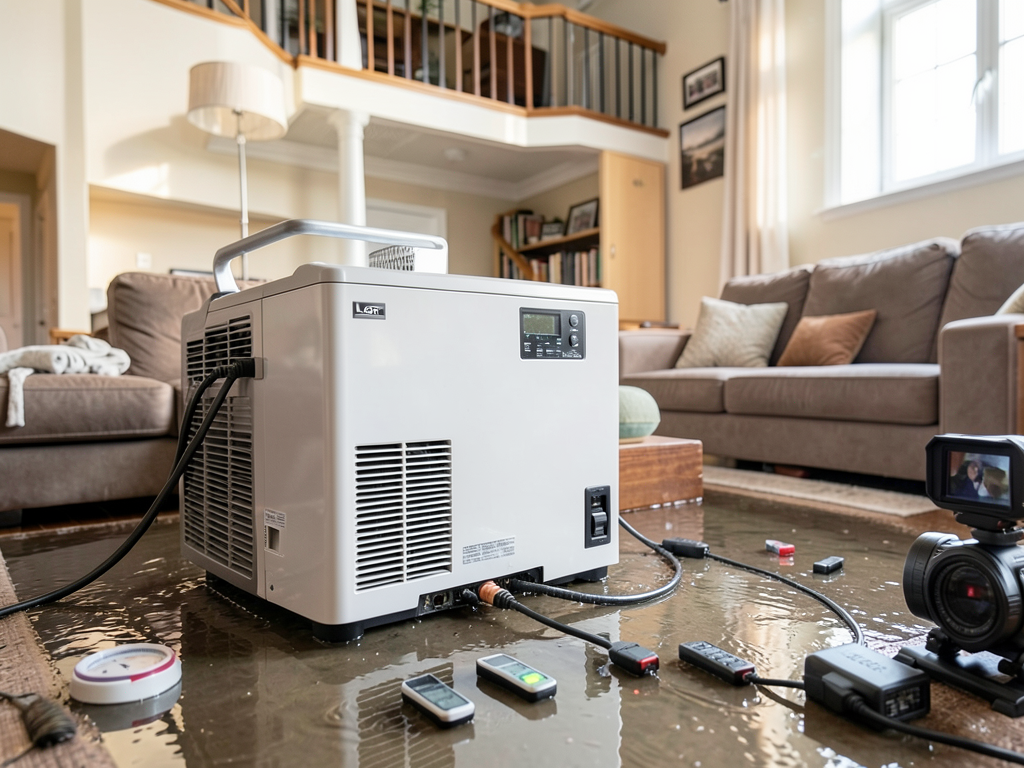
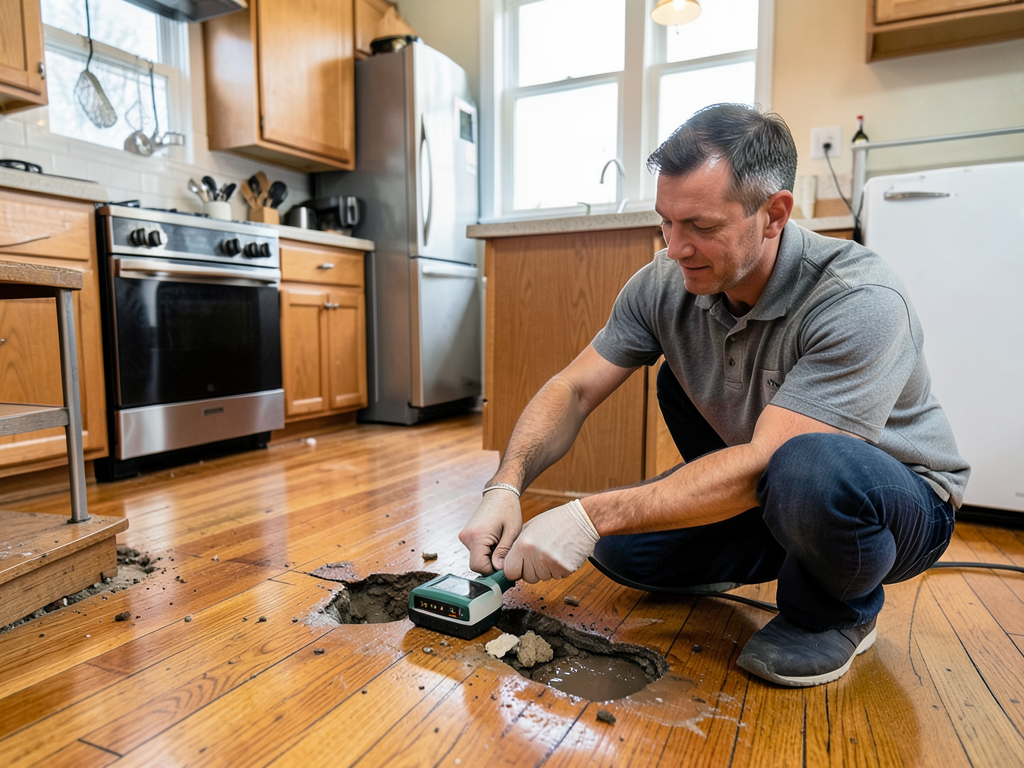
Next comes structural drying. We deploy commercial-grade LGR (low-grain refrigerant) dehumidifiers and axial air movers. These machines pull moisture from wall cavities, subfloors, and ceiling spaces where standard fans cannot reach. We monitor progress with moisture meters reading wood moisture content and non-invasive scanning tools that detect hidden dampness behind plaster.. Read more about How to dry out wet hardwood floors in a Brookline estate.
Demolition happens only when necessary. Original wood trim, doors, and flooring in triple-deckers may be salvageable if dried properly within 24-48 hours. We cut drywall at the flood line, typically 24 inches above visible water, to access insulation and framing. All removed materials go into sealed bags to prevent cross-contamination. The most reliable flood restoration companies serving South Boston right now.
Sanitization follows drying. We apply EPA-registered antimicrobials to all affected surfaces, especially important in older buildings where lead paint or asbestos may be present. Category 1 water from a clean pipe break becomes Category 2 or 3 if it sits for more than 48 hours, requiring more aggressive treatment. EPA mold prevention guidelines.
Finally, we coordinate with your insurance adjuster throughout the process. We provide daily moisture readings, photos, and detailed reports that prove work was necessary and completed to industry standards. This documentation often prevents disputes and speeds claim resolution.
Why Boston pipes freeze: climate and infrastructure factors
Boston’s freeze-thaw cycles create the perfect conditions for pipe bursts. When temperatures drop below 20°F for more than 6 hours, water inside uninsulated pipes begins to freeze. As ice expands, it creates 2,000 pounds per square inch of pressure against pipe walls. Copper pipes in older triple-deckers often cannot withstand this force.
Triple-deckers have specific vulnerabilities. Many were built with plumbing running through exterior walls or unheated crawl spaces. Original copper supply lines, now over 80 years old, have thinned from decades of mineral buildup and corrosion. These pipes freeze faster than modern PEX or CPVC installations.
Boston’s soil composition worsens the problem. The city sits on glacial till with high clay content, which retains moisture and conducts cold efficiently. When the ground freezes to a depth of 42 inches or more, it pulls heat from underground pipes, accelerating freeze conditions even in basements.
The Massachusetts State Building Code 780 CMR Section 305.3 requires specific insulation R-values for pipes in unconditioned spaces, but many triple-deckers predate these requirements. Adding pipe insulation or heat tape to vulnerable areas can prevent 90% of freeze-related failures, but many property owners discover this only after a burst occurs. Professional sump pump failure cleanup for Newton homeowners.
Navigating insurance claims for water damage in Massachusetts
Massachusetts homeowners insurance typically covers sudden pipe bursts but excludes damage from frozen pipes if the home was vacant or heat was not maintained above 55°F. Your policy may also limit coverage for original woodwork, fixtures, or plaster walls in historic properties. How to handle a sudden sewage backup in your Somerville home.
Document damage immediately. Take photos before cleanup, save all receipts for emergency services, and keep a log of all communications with your insurance company. Massachusetts requires insurers to acknowledge claims within 15 days and make coverage decisions within 30 days of receiving all necessary information.
Work with a restoration company that has experience with Massachusetts insurance adjusters. They understand local requirements for documentation, can provide Xactimate estimates that insurers recognize, and often have direct billing arrangements that eliminate out-of-pocket costs for covered work.
Be aware of the 24-48 hour window for mold prevention. If water sits beyond this timeframe, mold growth becomes likely, potentially creating a separate claim issue. Insurance companies may deny mold-related claims if they determine you delayed proper mitigation.
Service areas: from Jamaica Plain to the Greater Boston Area
We serve all of Boston’s historic neighborhoods where triple-deckers and older construction create unique water damage challenges. From the Victorian homes of Jamaica Plain to the brownstones of the South End, we understand the specific materials, building methods, and insurance requirements for each area.
Our teams are stationed throughout Greater Boston for rapid response. Whether you’re in Newton dealing with a sump pump failure or in Winthrop facing coastal flooding, we arrive within 30 minutes with the equipment and expertise to handle your specific situation.
We coordinate with local building inspectors, historic commission requirements, and Massachusetts environmental regulations. This local knowledge means faster approvals, proper disposal of contaminated materials, and restoration that maintains your property’s value and character.
Frequently Asked Questions
How long does water damage restoration take?
Most residential projects take 3-5 days for complete drying and sanitization. Full reconstruction of damaged areas may extend the timeline to 2-3 weeks depending on material availability and insurance approvals.
Can I save my original hardwood floors?
Hardwood floors can often be saved if dried within 24 hours using specialized floor drying systems. The success rate drops significantly after 48 hours as boards begin to warp and cup permanently. Steps to Take After a Flood.
Will my insurance cover the entire restoration?
Coverage depends on your specific policy and the cause of damage. Sudden pipe bursts are typically covered, but gradual leaks or maintenance-related issues may be excluded. We help document damage to maximize your claim approval.
What should I do while waiting for help?
Shut off the main water valve, remove valuables from affected areas, and avoid entering rooms with sagging ceilings or standing water near electrical sources. Document damage with photos but do not begin cleanup until professionals arrive.
How can I prevent pipes from freezing again?
Insulate vulnerable pipes, seal foundation cracks, maintain consistent indoor temperatures above 55°F, and consider installing heat tape on pipes in exterior walls. Annual plumbing inspections can identify at-risk areas before winter.
Is mold a concern after a pipe burst?
Mold can begin growing within 24-48 hours in moist conditions. Professional drying and antimicrobial treatment prevent mold growth, but if water sits longer, mold remediation may become necessary as a separate process.
Do you work with historic properties?
Yes, we specialize in historic Boston properties and understand the unique requirements for preserving original materials, meeting historic commission standards, and working within the constraints of older building systems.
What makes your service different from other companies?
We combine rapid 24/7 emergency response with deep local expertise in Boston’s specific building types, climate challenges, and insurance requirements. Our IICRC-certified technicians use commercial-grade equipment and provide detailed documentation that satisfies both building codes and insurance adjusters.
Don’t let a frozen pipe burst destroy your Jamaica Plain home
A frozen pipe burst in your triple-decker is more than an inconvenience—it’s an emergency that can cause thousands in damage within hours. The combination of Boston’s extreme cold, your building’s age, and the specific vulnerabilities of triple-decker construction means you need a restoration company that understands exactly what you’re facing.
Our IICRC-certified technicians arrive within 30 minutes, equipped to stop the damage, dry your structure properly, and work directly with your insurance company. We’ve restored hundreds of Boston homes just like yours, preserving original materials and getting you back to normal as quickly as possible.
Call (617) 789-8099 now for immediate emergency response. The longer you wait, the more damage occurs and the higher your restoration costs climb. Pick up the phone and call (617) 789-8099 before the next freeze turns your home into a disaster zone.
{
“@context”: “https://schema.org”,
“@type”: “BlogPosting”,
“headline”: “Dealing with a frozen pipe burst in your Jamaica Plain triple-decker”,
“description”: “A frozen pipe burst in your Jamaica Plain triple-decker can cause severe water damage. Learn immediate steps, restoration process, and why Boston’s climate makes your pipes vulnerable.”,
“wordCount”: 1537,
“datePublished”: “2026-02-24T07:36:00.000Z”,
“dateModified”: “2026-02-24T07:36:00.000Z”,
“inLanguage”: “en-US”,
“mainEntityOfPage”: {
“@type”: “WebPage”,
“@id”: “https://firstchoicewaterdamagerestorationboston.com”
},
“publisher”: {
“@type”: “LocalBusiness”,
“name”: “First Choice Water Damage Restoration Boston”,
“url”: “https://firstchoicewaterdamagerestorationboston.com”
},
“author”: {
“@type”: “Organization”,
“name”: “First Choice Water Damage Restoration Boston”,
“url”: “https://firstchoicewaterdamagerestorationboston.com”
},
“image”: {
“@type”: “ImageObject”,
“url”: “https://firstchoicewaterdamagerestorationboston.com/wp-content/uploads/2026/03/dealing-with-a-frozen-pipe-burst-in-your-jamaica-p-1.png”
}
}
{
“@context”: “https://schema.org”,
“@type”: “LocalBusiness”,
“name”: “First Choice Water Damage Restoration Boston”,
“url”: “https://firstchoicewaterdamagerestorationboston.com”,
“address”: {
“@type”: “PostalAddress”,
“addressLocality”: “Boston”
},
“areaServed”: {
“@type”: “City”,
“name”: “Boston”
}
}
{
“@context”: “https://schema.org”,
“@type”: “FAQPage”,
“mainEntity”: [
{
“@type”: “Question”,
“name”: “How long does water damage restoration take?”,
“acceptedAnswer”: {
“@type”: “Answer”,
“text”: “Most residential projects take 3-5 days for complete drying and sanitization. Full reconstruction of damaged areas may extend the timeline to 2-3 weeks depending on material availability and insurance approvals.”
}
},
{
“@type”: “Question”,
“name”: “Can I save my original hardwood floors?”,
“acceptedAnswer”: {
“@type”: “Answer”,
“text”: “Hardwood floors can often be saved if dried within 24 hours using specialized floor drying systems. The success rate drops significantly after 48 hours as boards begin to warp and cup permanently. Steps to Take After a Flood.”
}
},
{
“@type”: “Question”,
“name”: “Will my insurance cover the entire restoration?”,
“acceptedAnswer”: {
“@type”: “Answer”,
“text”: “Coverage depends on your specific policy and the cause of damage. Sudden pipe bursts are typically covered, but gradual leaks or maintenance-related issues may be excluded. We help document damage to maximize your claim approval.”
}
},
{
“@type”: “Question”,
“name”: “What should I do while waiting for help?”,
“acceptedAnswer”: {
“@type”: “Answer”,
“text”: “Shut off the main water valve, remove valuables from affected areas, and avoid entering rooms with sagging ceilings or standing water near electrical sources. Document damage with photos but do not begin cleanup until professionals arrive.”
}
},
{
“@type”: “Question”,
“name”: “How can I prevent pipes from freezing again?”,
“acceptedAnswer”: {
“@type”: “Answer”,
“text”: “Insulate vulnerable pipes, seal foundation cracks, maintain consistent indoor temperatures above 55°F, and consider installing heat tape on pipes in exterior walls. Annual plumbing inspections can identify at-risk areas before winter.”
}
},
{
“@type”: “Question”,
“name”: “Is mold a concern after a pipe burst?”,
“acceptedAnswer”: {
“@type”: “Answer”,
“text”: “Mold can begin growing within 24-48 hours in moist conditions. Professional drying and antimicrobial treatment prevent mold growth, but if water sits longer, mold remediation may become necessary as a separate process.”
}
},
{
“@type”: “Question”,
“name”: “Do you work with historic properties?”,
“acceptedAnswer”: {
“@type”: “Answer”,
“text”: “Yes, we specialize in historic Boston properties and understand the unique requirements for preserving original materials, meeting historic commission standards, and working within the constraints of older building systems.”
}
},
{
“@type”: “Question”,
“name”: “What makes your service different from other companies?”,
“acceptedAnswer”: {
“@type”: “Answer”,
“text”: “We combine rapid 24/7 emergency response with deep local expertise in Boston’s specific building types, climate challenges, and insurance requirements. Our IICRC-certified technicians use commercial-grade equipment and provide detailed documentation that satisfies both building codes and insurance adjusters.”
}
}
]
}
{
“@context”: “https://schema.org”,
“@type”: “BreadcrumbList”,
“itemListElement”: [
{
“@type”: “ListItem”,
“position”: 1,
“name”: “Home”,
“item”: “https://firstchoicewaterdamagerestorationboston.com”
},
{
“@type”: “ListItem”,
“position”: 2,
“name”: “Blog”,
“item”: “https://firstchoicewaterdamagerestorationboston.com/blog”
},
{
“@type”: “ListItem”,
“position”: 3,
“name”: “Dealing with a frozen pipe burst in your Jamaica Plain triple-decker”
}
]
}
{
“@context”: “https://schema.org”,
“@type”: “Service”,
“serviceType”: “Water Damage Restoration”,
“provider”: {
“@type”: “LocalBusiness”,
“name”: “First Choice Water Damage Restoration Boston”,
“url”: “https://firstchoicewaterdamagerestorationboston.com”
},
“areaServed”: {
“@type”: “City”,
“name”: “Boston”
},
“description”: “A frozen pipe burst in your Jamaica Plain triple-decker can cause severe water damage. Learn immediate steps, restoration process, and why Boston’s climate makes your pipes vulnerable.”
}