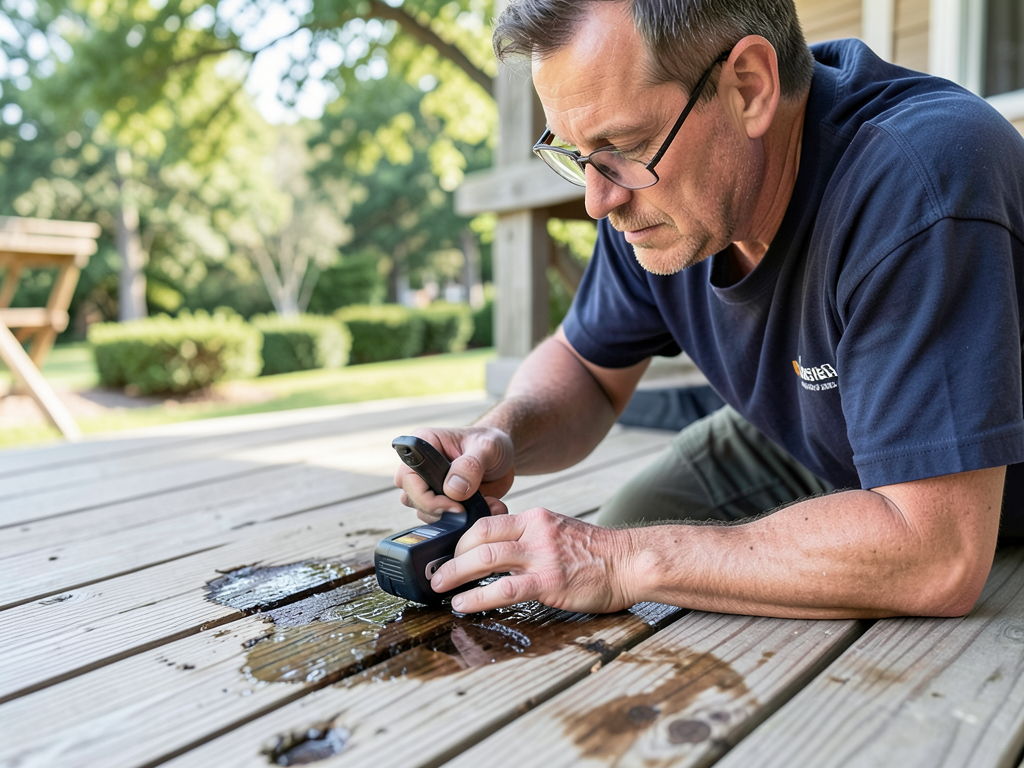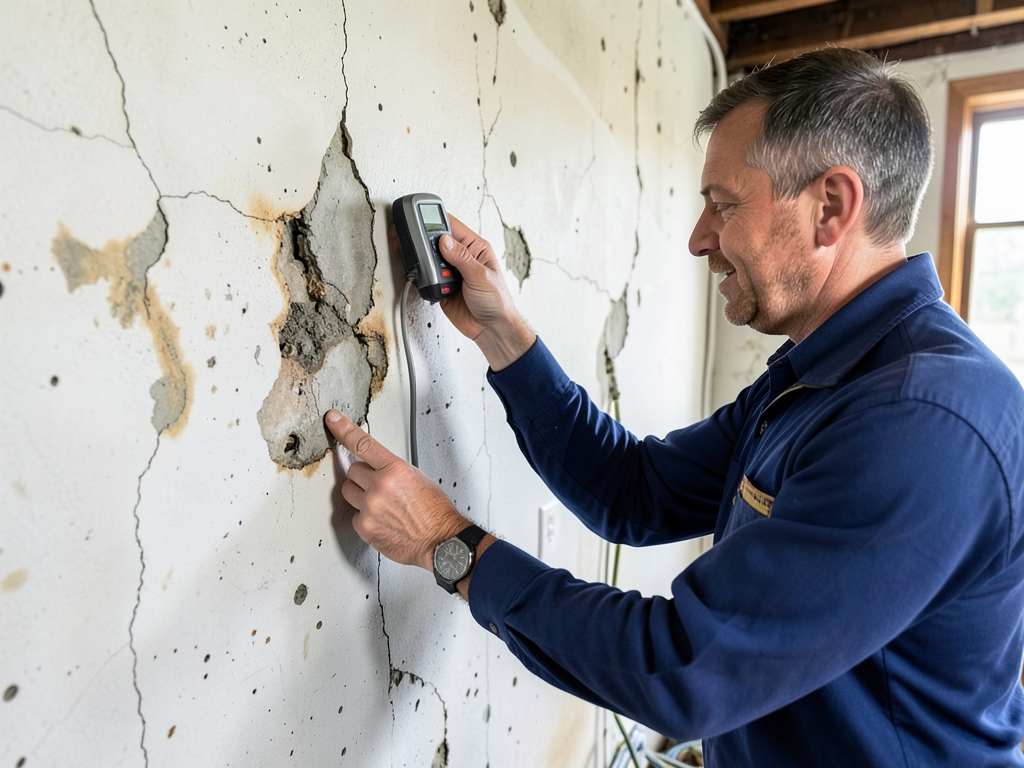
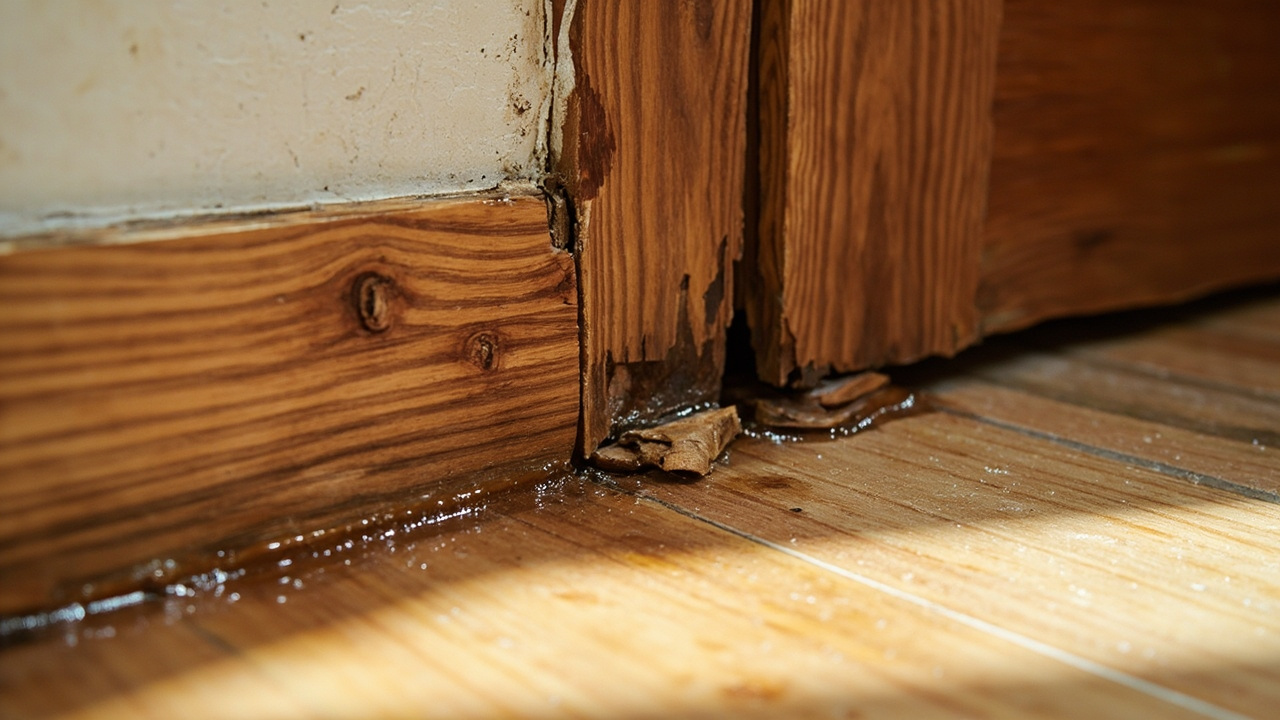


Boston experiences 30 to 40 freeze-thaw cycles per winter. Each cycle expands and contracts the soil beneath your foundation, creating microfractures in concrete and mortar joints. Spring thaw raises the water table and pushes groundwater through those cracks into your basement or crawl space. That moisture migrates up through the sill plate and into your wall cavities, where it saturates the bottom plate and the baseboard nailed to it. Homes in East Boston, Charlestown, and South Boston, which sit near sea level on filled land, experience higher water tables and more chronic moisture intrusion than homes in higher-elevation neighborhoods like Jamaica Plain or Roslindale.
Boston enforces the 9th edition of the Massachusetts State Building Code, which requires vapor barriers in all conditioned crawl spaces and mandates specific R-values for basement insulation. Many older homes were built before these codes existed and have no vapor barrier at all. We work with local building inspectors regularly and understand what upgrades are required when you open a wall for baseboard replacement. Choosing a restoration contractor who knows local code prevents delays, failed inspections, and expensive rework. Our familiarity with Boston's housing stock, from triple-deckers in Dorchester to brick rowhouses in Back Bay, means we diagnose problems faster and fix them correctly the first time.